




Know the Real Risks Before You Go
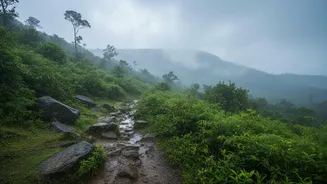
Trekking in the monsoon isn't just about dealing with rain; it's about understanding specific environmental dangers. The primary risks are not the downpours themselves, but their consequences. Slippery terrain, especially on lateritic rock common in the Ghats,
can become frictionless, turning simple steps into dangerous slides. Trails can become streams, and actual streams can swell into impassable torrents with astonishing speed, creating a risk of flash floods. Visibility often drops significantly due to mist and fog, making it easy to lose your way. It's crucial to check weather forecasts and local advisories before you even leave home, as many popular trails may have official restrictions. Never trek alone in the monsoon; a simple ankle sprain can become a serious incident without help.
Essential Gear: Clothing and Rainwear
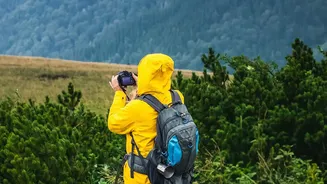
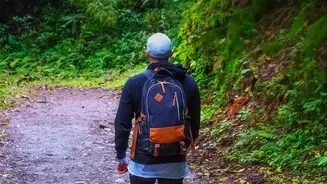
Your clothing is your first line of defense. The goal is not to stay completely dry—which is often impossible—but to manage dampness and prevent hypothermia. Opt for quick-drying synthetic fabrics for both t-shirts and trek pants; avoid cotton at all costs as it absorbs water and stays cold. A reliable waterproof and breathable rain jacket or a poncho is non-negotiable. A poncho can be useful as it also covers your backpack. Pack at least two or three pairs of full-length synthetic socks. Waterproof socks can also be a game-changer for keeping your feet comfortable. It's also wise to pack a complete change of dry clothes in a sealed waterproof bag or dry sack, reserved for emergencies or for when you reach your destination.
Essential Gear: Footwear and Backpack
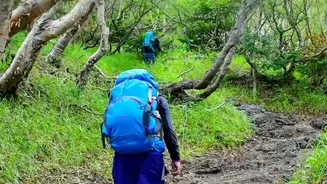
Good footwear is arguably the most critical piece of gear. You need trekking shoes with deep lugs and excellent grip to handle muddy, slippery, and rocky trails. Ensure they provide good ankle support to prevent twists and sprains. Avoid sneakers, sandals, or casual shoes entirely. Your backpack should be equipped with a robust rain cover that fits snugly. To add a layer of protection, line the inside of your backpack with a large plastic bag or use several smaller dry bags to compartmentalize your gear. This ensures that even if the outer bag gets wet, your essentials like electronics, food, and dry clothes remain protected.
Navigation, First Aid, and Safety Tools
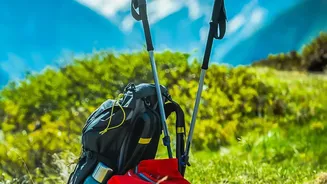
Never rely solely on your mobile phone for navigation, as networks are unreliable in remote areas. Carry a power bank, but also have an offline map or, ideally, travel with a local guide who knows the terrain. Your first-aid kit should be comprehensive and waterproofed. Include basics like antiseptic wipes, bandages, pain relievers, and blister tape. Additionally, carry supplies for common monsoon issues: salt or a sanitiser spray for leeches, and oral rehydration salts (ORS) to combat dehydration. A trekking pole is highly recommended for stability on slippery descents and to gauge the depth of muddy patches. A headlamp or torch is also essential, as low visibility can make it get dark surprisingly early on the trail.
Dealing With Leeches and Insects
Leeches are an unavoidable part of monsoon trekking in the Western Ghats, but they are mostly harmless if managed correctly. The best prevention is a physical barrier. Wear anti-leech socks, which are long socks that go over your pants, or tuck your trek pants securely into your regular socks. Applying a repellent containing DEET, or even a simple mixture of salt, Dettol, or lemon juice on your shoes and socks can help deter them. If a leech attaches, do not pull it off forcefully, as this can leave its mouthparts behind and cause infection. Instead, sprinkle salt on it or apply a drop of sanitiser or medicated oil, and it will detach on its own. Afterward, clean the bite area with an antiseptic and apply a bandage.