




An Art Form Unravelled
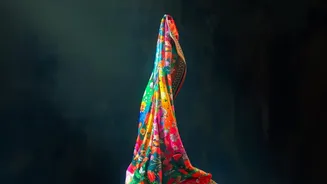
At its core, experimental textile design is about challenging the traditional definition of fabric. It moves beyond creating flat cloth for clothing or upholstery and ventures into the realm of sculpture, installation, and conceptual art. Artists in this
field are asking provocative questions: What can be woven? What can a textile represent? Instead of focusing purely on function, they use weaving, knotting, and stitching to explore ideas, tell stories, and create complex three-dimensional forms. It’s a space where the loom is not just a tool for production, but a medium for expression, much like a painter's canvas or a sculptor's clay.
Delhi's New Weaving Showcase
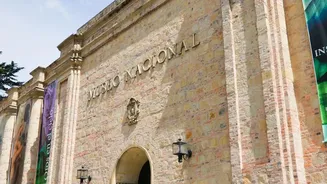
Coinciding with the 12th National Handloom Day, a new exhibition titled “World Within the Cloth: New Orders of Weaving” is set to open at the National Crafts Museum and Hastkala Academy. Running from August 6 to 19, this show, curated by Shreyansi Singh, aims to present textiles as vessels of knowledge and cultural memory. It will feature a compelling mix of research-based works, artist-artisan collaborations, and immersive installations. The exhibition brings together renowned designers and studios like Abraham & Thakore, the Chanakya School, and artists such as Aastha Butail and Shraddha Kochhar. The goal is to spark a dialogue about the relationship between contemporary art and traditional craftsmanship, touching upon themes of identity, sustainability, and community.
Tradition as a Springboard
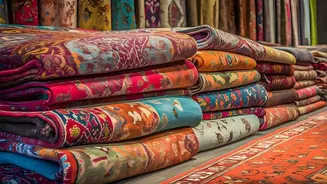
In India, a country with one of the world's most ancient and diverse textile traditions, this experimental spirit has a rich foundation to build upon. Artists aren't abandoning centuries of heritage; they are reimagining it. Techniques like Jamdani, Ikat, and even the restorative philosophy of Kantha are being reinterpreted. For instance, a recent exhibition in Delhi focused on Kantha not as mere surface embellishment, but as an act of repair and reuse, creating contemporary art from pre-loved textiles. This movement shows a deep respect for the craft's history while infusing it with modern relevance, attracting younger urban audiences and eco-conscious global consumers.
New Materials, New Narratives
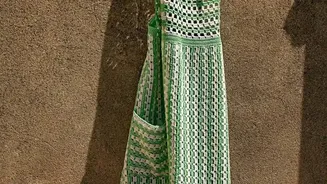
A key element of experimental textile art is the use of unconventional materials. While traditional weavers masterfully use cotton, silk, and wool, contemporary artists might incorporate anything from metal wire and paper to plastic waste and digital threads. This expansion of materials allows for new textures, forms, and meanings. An artist might weave with discarded plastics to comment on pollution or use conductive thread to create interactive, 'smart' textiles. This innovative approach is a response to our changing world, addressing themes of sustainability and technology. It’s a strategic evolution, ensuring handcrafts don't just survive in the machine age but thrive as a cutting-edge artistic practice.
Why It Resonates Now
The growing interest in experimental weaving speaks to a broader cultural shift. In an increasingly digital and mass-produced world, there's a renewed appreciation for the handmade, the unique, and the authentic. These textile works are not just objects of beauty; they are imbued with the artist's time, skill, and narrative. They connect us to a history of making things by hand while pointing toward an innovative future. The movement also champions sustainability, with many artists focusing on natural dyes and repurposed materials, a stark contrast to the fast-fashion industry. By celebrating both heritage and innovation, experimental textile design offers a richer, more meaningful way to think about the fabrics that shape our world.