

The Seated Forward Bend, or Paschimottanasana, is a cornerstone of many yoga practices, famed for its deep stretch and calming effects. But many claims surround this pose. Let's separate the myths from the reality of what's truly happening in your body.
Claim: It's the Ultimate Hamstring Stretch
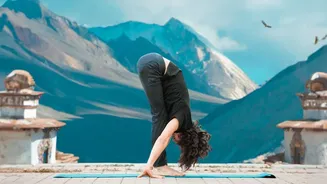
While Paschimottanasana is famous for stretching the hamstrings, it's more accurate to say it stretches the entire back of the body, known as the posterior chain. This includes the calves, the glutes, and the muscles along the spine. The common goal of touching your toes often leads to a misunderstanding of the pose. The real aim isn't just to lengthen the hamstrings, but to learn how to hinge forward from the hips with a long spine. Forcing the pose by rounding the back can put undue pressure on the spinal discs and offers little benefit to the hamstrings themselves. In fact, if your hamstrings are tight, they will pull on the pelvis, making it difficult to fold forward safely. This is why bending the knees is a smart and effective modification, as it allows the pelvis to tilt forward properly, protecting the lower back.
Reality: It's a Lesson in Pelvic Tilt and Patience
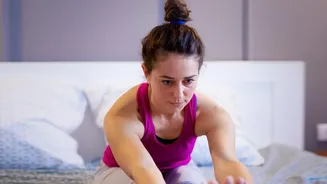
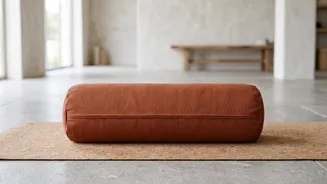
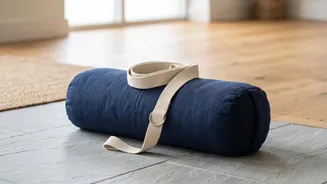
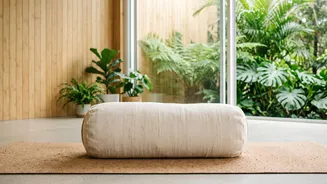
The foundation of a safe and effective Paschimottanasana is not hamstring flexibility, but pelvic movement. The instruction to 'hinge from the hips' is crucial. Many people initiate the fold by rounding their upper back and reaching their head toward their knees, which can strain the neck and compress the lumbar spine. A better approach is to sit up tall on your sitting bones—perhaps even on a folded blanket to elevate the hips—and lengthen the spine first. As you exhale, imagine the pelvis rotating forward over the thigh bones. This creates the stretch in the belly of the hamstrings rather than at their attachments near the knee or sitting bones, which is a safer way to practice. Using a strap can help, not to pull yourself deeper, but to maintain a connection and encourage length in the torso without yanking.
Claim: It Detoxifies Your Internal Organs
Many yoga styles suggest that forward bends and twists 'massage' or 'squeeze' the abdominal organs, helping to release toxins. While the pose does create gentle intra-abdominal compression, the idea that it manually detoxifies the body is a myth. The body's detoxification is a complex and continuous process handled primarily by the liver and kidneys, which filter waste from the blood. No yoga pose can make these organs work faster or better. The benefits of this compression are more likely related to stimulating digestion and increasing awareness of our internal bodily sensations, a concept known as interoception. Any supportive effect on the body's natural detox systems comes from improved circulation and lymphatic flow due to the overall practice of movement and deep breathing, not from squeezing a specific organ.
Reality: It Calms the Nervous System
This claim has a strong basis in physiology. Forward folds like Paschimottanasana are known to have a calming effect on the nervous system. The posture encourages a state of 'rest and digest' by stimulating the parasympathetic nervous system. This happens for several reasons. The act of folding forward physically creates a sense of turning inward and protection, reducing external sensory input. The gentle stretch along the spine and back of the neck can also stimulate nerves that promote relaxation. Most importantly, holding the pose requires slow, steady, and mindful breathing, which is a proven way to lower heart rate, reduce anxiety, and quiet a busy mind. The calming effect comes from this combination of inward focus, gentle stretching, and conscious breath, not just the physical shape itself.
Who Should Be Cautious?
Paschimottanasana is not suitable for everyone. Individuals with acute lower back injuries, such as a herniated disc, should approach this pose with extreme caution or avoid it, as deep forward flexion can worsen the condition. People with sciatica may also find that it aggravates their symptoms. Other contraindications include recent abdominal surgery, hernias, and unmanaged high blood pressure. Pregnant women are also advised to avoid deep forward folds. It is always best to listen to your body; if you feel any sharp, shooting pain, it's a sign to back off. Practice under any guidance of a qualified instructor to learn modifications that work for your body.