


Welcome to the ‘Land of White Copper’
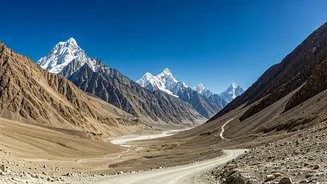
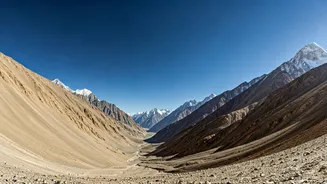
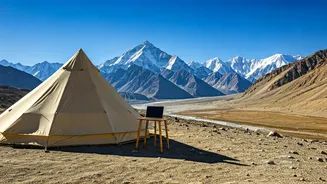
Imagine a place so remote it was cut off from the world for half the year. That was Zanskar. Tucked away in the Indian territory of Ladakh, this high-altitude valley is a moonscape of stark, jagged peaks, turquoise rivers, and ancient Buddhist monasteries
clinging to sheer cliffs. For centuries, reaching it required a multi-day trek over frozen rivers in winter. It’s often called a ‘Shangri-La’—not because it's a gentle paradise, but because of its profound, almost spiritual isolation. The air is thin, the weather is fickle, and the silence is absolute. This isn't your typical mountain getaway; it's an expedition into a world that time, until recently, had largely forgotten.
The New Road to Adventure
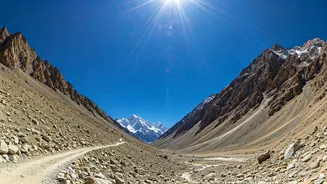
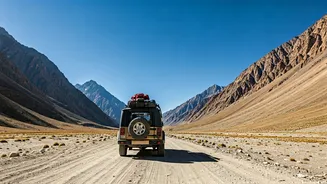
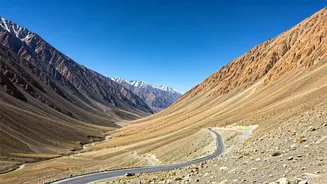
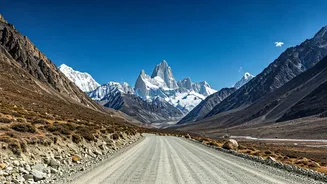
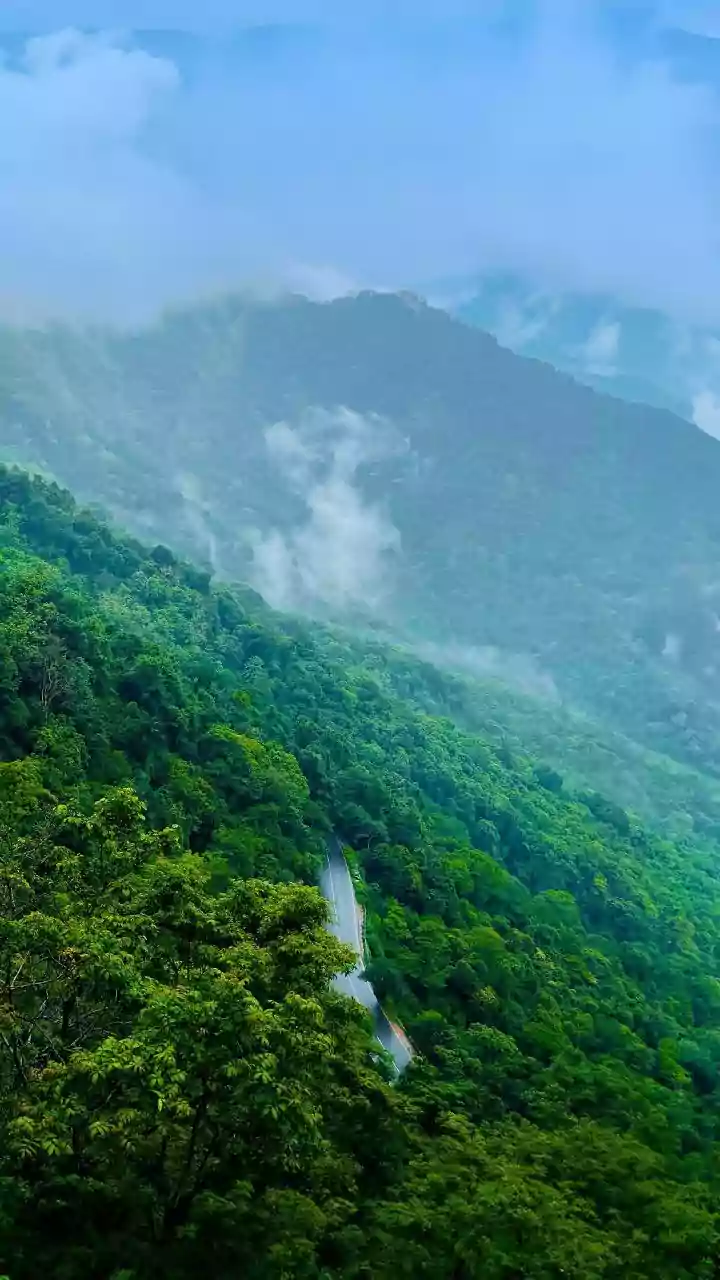
So, what changed? Infrastructure. While the classic route into Zanskar from Kargil has always been a rough, multi-day affair, the game-changer is the newly constructed road over the 16,580-foot Shinku La pass. This treacherous but stunning route connects the Zanskar valley to Manali, a popular hub in the neighboring state of Himachal Pradesh. Suddenly, a true loop is possible, turning a difficult one-way journey into an epic, circuitous road trip. But ‘possible’ doesn't mean easy. This is still a raw, high-stakes driving experience. Travelers contend with altitude sickness, unpaved gravel tracks, river crossings, and the constant threat of landslides. The reward for this grit is unparalleled access to sights like the Phuktal Monastery, a honeycomb-like structure built into a cave, and the surreal Gumbok Rangan, a lone, sacred mountain in the middle of a vast plain. It's a journey that demands resilience and rewards it with profound beauty.
The Rise of the Indian Backpacker
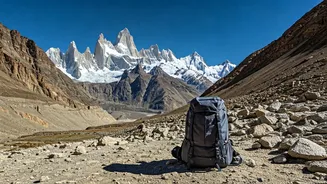
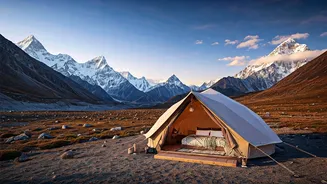
This trend isn’t just about a new road; it’s about a new traveler. For decades, the Indian middle class often equated aspirational travel with international trips to Europe or Southeast Asia. But for a growing number of young, urban Indians, the focus has shifted inward. Armed with disposable income, a thirst for authenticity, and the power of social media, they are redefining adventure. They are trading guided tours for self-driven 4x4s and rented motorcycles. They are swapping luxury hotels for rustic homestays and tents under the stars. The Zanskar road trip has become a badge of honor in this community. It’s a tangible achievement, a story to tell, and a feed full of jaw-dropping, hard-earned photos. It represents a pivot from passive sightseeing to active exploration, fueled by a desire to connect with their own country’s most extreme and beautiful landscapes.
More Than Just a Scenic Drive
Completing the Zanskar circuit is more than just a vacation; it’s a rite of passage. In a rapidly modernizing and globalizing India, this journey offers a powerful connection to something raw, ancient, and distinctly Indian. It’s a test of self-reliance in an environment that is utterly indifferent to human comfort. For many, it's their first real encounter with the challenges of high-altitude travel and the deep-rooted Buddhist culture of the Himalayan highlands. This isn’t about escaping modernity but about finding a different kind of meaning within it. The shared experience of navigating a breakdown, helping a fellow traveler stuck in a water crossing, or simply sharing a cup of chai with a local family in a remote village forges a sense of camaraderie and accomplishment that a five-star resort never could. It's a trend that speaks to a search for personal growth and national pride, discovered one dusty, bumpy, and breathtaking mile at a time.