







What is Chrononutrition?
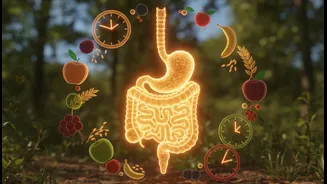
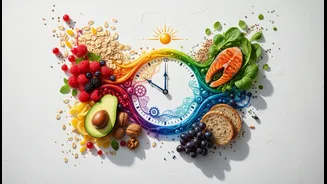
Chrononutrition is a field of science that studies how the timing of our meals interacts with our body's circadian rhythms. Think of it as eating in sync with your body's natural 24-hour clock. This internal clock doesn't just manage your sleep-wake cycle;
it also governs hormone release, metabolism, and digestive function. The core idea is simple: our bodies are primed to digest and process food more efficiently at certain times of the day. By timing our meals to coincide with these peak periods, we can potentially enhance nutrient absorption, improve metabolic health, and support the trillions of microbes living in our gut.
The Gut's Internal Clock
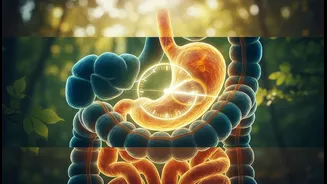
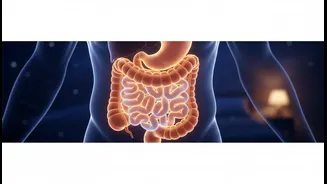
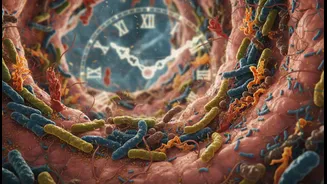
Your digestive system isn't always 'on' at full capacity. It has its own daily rhythm, influenced by the body's master clock in the brain. The composition and activity of your gut microbiome—the community of bacteria and other microbes in your intestines—also fluctuate throughout the day. These microbes play a critical role in digestion, immunity, and even mood. Research shows that this gut clock works best during daylight hours when we are most active. During this time, the production of digestive enzymes, gut motility, and nutrient absorption are all at their peak. This daily rhythm is crucial for maintaining a healthy gut barrier and a diverse microbial population.
Why Midday May Be a Power Time
Following the principles of chrononutrition, the middle of the day appears to be the optimal time for our largest meal. Our digestive system is at its most efficient, and insulin sensitivity—the body's ability to manage blood sugar—is higher than it is in the evening. Eating a substantial, nutrient-dense lunch aligns with this peak metabolic activity, allowing your body to effectively break down food and absorb nutrients for energy throughout the afternoon. Some studies suggest that people who consume their main meal earlier in the day may have more success with weight management and show better metabolic markers compared to those who eat their largest meal late.
The Problem with Late-Night Eating
As the day winds down, so does your digestive system. Eating heavy meals late at night forces your body to digest when it's naturally preparing for rest and repair. This misalignment can lead to a host of issues. Gastric emptying slows down at night, and studies show that late eating can impair glucose control, increase blood sugar levels, and shift your metabolism towards fat storage rather than fat burning. This pattern can also disrupt the delicate balance of your gut microbiome and may increase intestinal permeability, also known as 'leaky gut', which can trigger inflammation.
Simple Steps to Align Your Meals
Adopting a chrononutrition approach doesn't require a radical diet overhaul. It's more about shifting your schedule. Start by making lunch your most substantial meal of the day, rich in protein, healthy fats, and complex carbohydrates. Aim to eat a lighter dinner, and try to finish it at least two to three hours before you go to sleep. Consistency is key; eating at roughly the same times each day helps regulate your body's internal clocks. This could mean a hearty breakfast, a large lunch, and a smaller, earlier dinner. This pattern gives your digestive system a long overnight break, which is crucial for cellular repair and gut health. This practice, often called time-restricted eating (TRE), can help resynchronize your internal rhythms and improve metabolic function.