






Understand Why Humidity Is Different
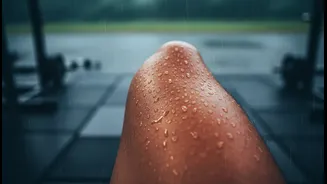
On a dry, hot day, your sweat evaporates quickly, cooling you down. But when humidity is high, the air is already saturated with water vapor. This means your sweat can't evaporate efficiently, so it just sits on your skin. Your body’s natural cooling system
stalls, causing it to sweat even more in an attempt to cool down. This leads to a rapid loss of fluids and essential minerals, making you feel fatigued and increasing your risk of dehydration even if you don't feel particularly thirsty.
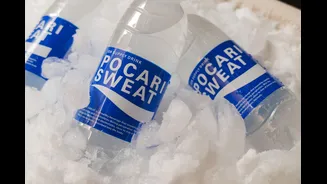
Go Beyond Plain Water with Electrolytes
When you sweat profusely in humid conditions, you don't just lose water; you lose critical minerals known as electrolytes, such as sodium, potassium, and magnesium. These are vital for muscle function and maintaining your body's fluid balance. Drinking large amounts of plain water alone can dilute the remaining electrolytes in your system, which can lead to muscle cramps, headaches, and dizziness. To replenish what you've lost, consider drinks that contain electrolytes. This doesn't always mean a commercial sports drink; coconut water and milk are excellent natural sources of potassium and other minerals. For intense activity, an electrolyte-infused drink might be beneficial.
Eat Your Water
A significant portion of your daily fluid intake—around 20%—can and should come from the food you eat. This is an easy and delicious way to support your hydration. Many fruits and vegetables are packed with water and also provide valuable vitamins and electrolytes. Foods with exceptionally high water content include cucumber and lettuce (at around 96% water), and zucchini, celery, and tomatoes (around 95%). Fruits like watermelon (92%), strawberries (91%), and oranges (88%) are also fantastic choices to help you stay hydrated from the inside out.
Time Your Intake Strategically
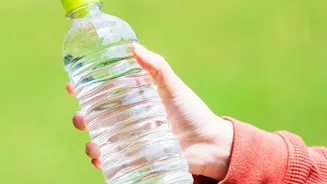
Don't wait until you feel thirsty. Experts note that the thirst signal can be unreliable in humid weather, meaning you could be dehydrated before your body even tells you to drink. The key is consistent sipping throughout the day. A good strategy is to 'pre-hydrate' by drinking a couple of glasses of water a few hours before you plan to be outdoors. Once you are out in the heat, aim for small, regular sips every 15 to 20 minutes. Starting your day with a glass of water is also a great habit, as you naturally become dehydrated overnight.
Know What to Avoid
Just as some drinks help, others can hinder your hydration efforts. Beverages that are high in sugar or alcohol are best avoided when you're trying to stay hydrated in the humidity. Alcohol is a diuretic, meaning it makes you urinate more frequently, accelerating fluid loss. Extremely sugary drinks, like sodas and some fruit juices, can also be counterproductive. Your body has to work to process the sugar, and these drinks don't replenish fluids and electrolytes as effectively as water or a dedicated hydration drink.
Dress and Act the Part
Your choices beyond diet can also make a big difference. Wear light-colored, loose-fitting clothing made from breathable fabrics like cotton or synthetic materials designed to wick sweat away. This helps what little evaporation is possible to occur more effectively. Whenever you can, take breaks in shaded or air-conditioned areas to give your body a chance to cool down and recover. If you plan to exercise, try to do so during the cooler parts of the day, such as the early morning or evening.