



A New Ridership Record
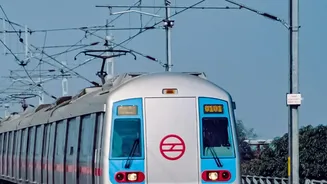
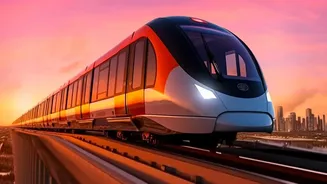
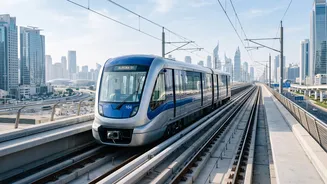
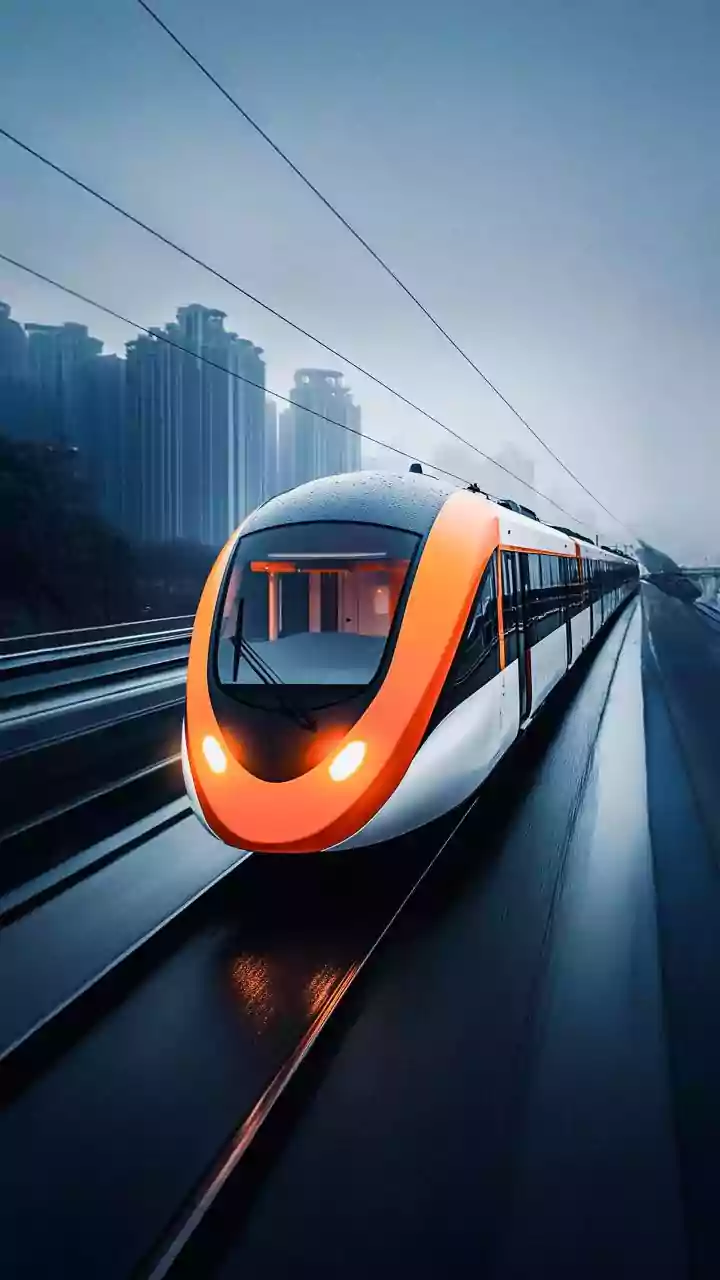
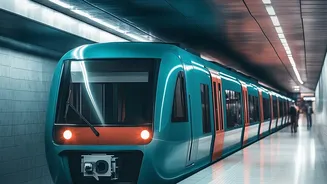
On November 2, during the pre-Diwali rush, the Delhi Metro's driverless trains carried a staggering 1.6 million passengers in a single day. This figure means that one in every five of the network's roughly eight million daily commuters travelled on an automated
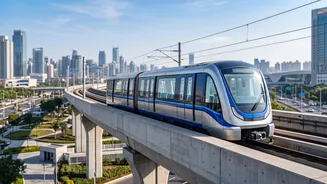
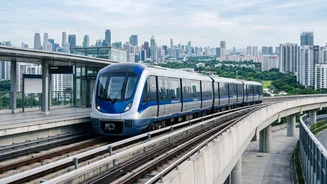
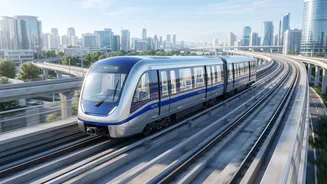
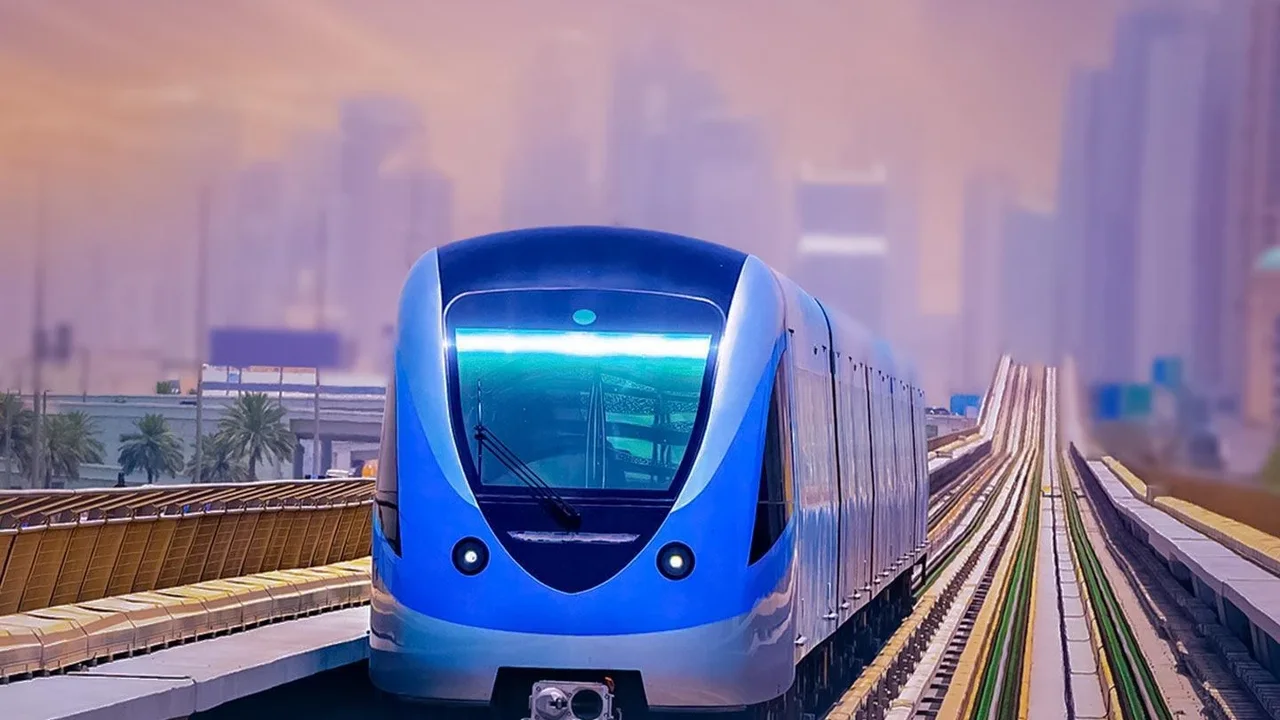
train that day. This impressive milestone was achieved on the Magenta and Pink Lines, the two corridors where the Delhi Metro Rail Corporation (DMRC) currently runs its fleet of 100 Unattended Train Operation (UTO) trains. These lines cover about 120 kilometres, representing nearly a third of the entire network and cementing the technology's role as a vital component of the capital's public transport system.
The Tech Behind the Transit
First launched in December 2020 on the Magenta Line, Delhi Metro's driverless operations were a landmark moment for public transport in India. The system, which later expanded to the Pink Line, uses an advanced signalling technology called Communication-Based Train Control (CBTC). This allows for a high degree of automation, precision, and safety. The trains undergo exhaustive self-tests before starting service, which helps eliminate the potential for human error. According to DMRC Managing Director Vikas Kumar, this automation brings more flexibility to operations, improves the availability of coaches, and has significantly increased the reliability of services.
The Human Element: No Jobs Lost
The most significant concern surrounding automation is often job displacement. However, the DMRC has addressed this head-on. Since the introduction of driverless services, none of the train operators have been laid off. The corporation, which employs around 3,000 train operators, made a strategic decision to retain and retrain its staff for new roles within the organisation. This approach directly counters the fear that technology adoption must lead to workforce reduction, providing a reassuring message to employees and setting a notable precedent.
From Cabin to Control Room
So, where did the drivers go? Instead of being made redundant, former train operators have been redeployed into other critical operational functions. These new responsibilities include vital tasks like station management and crowd control, roles that require human oversight and judgment, especially in a system as vast and busy as the Delhi Metro. By shifting personnel from driving cabins to station platforms and control centres, the DMRC has ensured that experienced staff continue to contribute to the metro's smooth functioning. This move suggests that automation, in this case, has led to a change in the nature of work rather than its outright elimination.
A Model for India's Automated Future?
The success of Delhi's driverless metro and its employee retention strategy has sparked a national conversation. With metro services now operational in 26 Indian cities, the DMRC's model is being seen as a potential blueprint. While some experts caution that India, with its lower staffing costs compared to Western nations, should perform its own cost-benefit analysis before blindly adopting automation, the operational advantages are hard to ignore. Automation promises fewer errors, precise scheduling, and even more passenger space by removing the driver's cabin. Delhi's experience shows that these technological gains do not have to come at the cost of its workforce.