



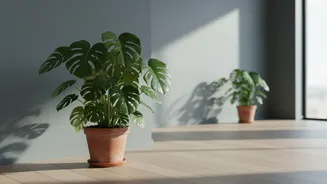
Understanding the Wicking System
Before diving into the specifics, it’s essential to understand how these pots work. A self-watering pot consists of a main growing container and a water reservoir below it. A wicking system, often a fabric rope or a column of soil, connects the two. This
wick uses a natural process called capillary action to draw water up from the reservoir into the soil as the plant needs it. This bottom-up approach is designed to provide a consistent supply of moisture directly to the roots, preventing the common problems of both over and underwatering. However, this automated system can turn against you if not set up correctly, potentially leading to waterlogged soil and root rot.
Choose Plants That Love Consistent Moisture
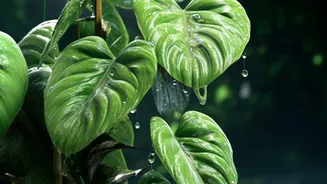
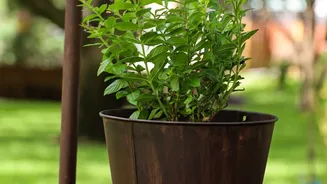
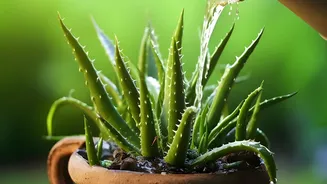
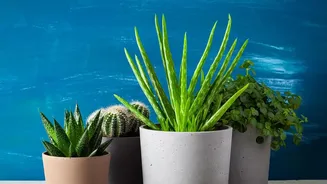
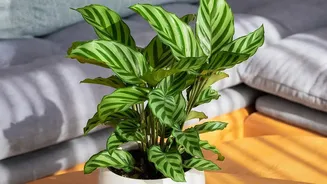
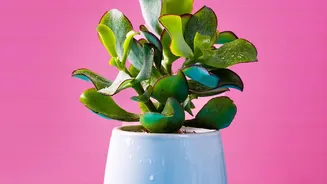
The single most important factor is selecting the right plant. Self-watering pots are ideal for plants that thrive in consistently moist soil. Think of tropical houseplants that are native to environments where the soil rarely dries out completely. Excellent choices include Peace Lilies, Boston Ferns, Spider Plants, and Calatheas. Many popular herbs like basil, mint, and parsley also flourish with the steady hydration these pots provide. Conversely, you should avoid plants that need their soil to dry out between waterings. Succulents, cacti, Snake Plants, and ZZ plants are poor candidates for a self-watering setup. Their roots are prone to rot in the constantly damp conditions that these planters create.
Crafting the Perfect Potting Mix
You cannot use standard garden soil or heavy potting mixes in a self-watering container. These soils are too dense, become compacted, and will hold too much water, suffocating the plant's roots. The key is to use a light, porous, and well-aerated mix that facilitates the wicking action. A high-quality potting medium for these systems will be specifically designed for wicking, often labelled as a "soilless" mix. You can also create your own by blending ingredients like coco coir, peat moss, and perlite. A common and effective recipe is a mix of about 70% coco coir or peat moss with 30% perlite. This combination holds enough moisture while the perlite creates air pockets, ensuring roots get the oxygen they need to thrive.
Mastering the Water Reservoir
While the pot does the watering, you still manage the water supply. A common mistake is keeping the reservoir topped up at all times. Constant saturation can lead to problems like root rot, fungus gnats, and mouldy soil. Most experts recommend allowing the reservoir to go completely dry for a day or two between refills. This short dry period allows oxygen to get to the roots, preventing them from becoming waterlogged. When you first pot a plant, it is also good practice to water from the top for the first week or so. This helps the soil settle, establishes the wicking action, and encourages the roots to grow downwards towards the moisture source. After that initial period, you can rely on filling the reservoir as needed. Many pots have an indicator to show the water level, taking the guesswork out of when to refill.