








The High-Altitude Bottleneck
For years, flying to Leh has been a challenge defined by supply and demand. Kushok Bakula Rimpochee Airport, one of the highest commercial airports in the world, serves as the primary gateway to a region that is cut off by road for nearly six months a year.
This makes air travel essential. However, the existing terminal was built to handle far fewer passengers than the lakhs of tourists who now flock to the region annually. Compounding the issue are the unique operational challenges. The thin air at 10,682 feet affects aircraft performance, and strong afternoon winds often restrict flight operations to a narrow morning window. This combination of a small terminal, limited operating hours, and immense demand creates the perfect storm for a “flight crunch,” sending ticket prices soaring during the peak summer months of June to August.
A State-of-the-Art Solution
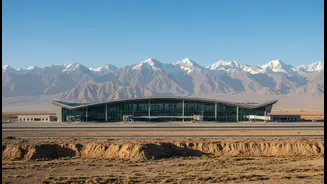
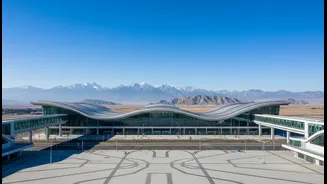
To address these issues, the Airports Authority of India is constructing a new, state-of-the-art integrated terminal building. Recent updates from the Ministry of Civil Aviation confirm the project is now 83% complete. The new facility is a significant leap forward, designed to handle a much larger volume of passengers—up to 3.5 million annually, a massive increase from the current capacity. Spanning approximately 19,000 square metres, the terminal will feature modern amenities like 20 check-in counters, an inline baggage handling system, and crucially, aerobridges. These enclosed walkways from the terminal to the aircraft will be a welcome relief for passengers in Leh's harsh weather.
More Than Just a New Building
The upgrade extends beyond the new terminal. A key part of the project involves expanding the aircraft parking apron. Once the old terminal is demolished, four additional aircraft bays will be constructed. This expansion is critical because it will allow the airport to handle more flights simultaneously. The plan is to triple the airport's flight handling capacity, from the current 18 flights per day to as many as 54. Furthermore, a parallel taxi track was recently completed, designed to improve the efficiency of aircraft ground movement and reduce turnaround times. This means planes can get to and from the runway faster, allowing for quicker departures and a more streamlined flow of air traffic throughout the day.
Sustainable and Culturally Inspired
In a pioneering move for Indian aviation, the new terminal is being built with a strong focus on sustainability. It will be the first airport in the country powered by a hybrid geothermal and solar energy system. The geothermal system will use heat from deep underground for the building's heating and cooling, a significant innovation given Ladakh’s extreme temperatures. This, combined with rooftop solar panels, will drastically reduce the airport's carbon footprint. The design also pays homage to the region's unique heritage. The architecture incorporates traditional Buddhist design elements, ensuring the building reflects the local culture and gives visitors an authentic sense of place from the moment they arrive.
What This Means for Travellers
The impact for anyone planning a trip to Ladakh is expected to be significant. Tripling the daily flight capacity should introduce more competition among airlines operating on the Leh route. This increased seat availability is the most direct way to combat the sharp, seasonal price hikes that have made the destination prohibitively expensive for many. With more parking bays and efficient taxiways, flight delays and cancellations related to airport congestion should decrease. The larger, more comfortable terminal with modern amenities will also vastly improve the passenger experience, which can be taxing at high altitudes. While the official completion date has not been announced by the ministry, officials are pushing to finish the project by July 2026.