



Why Choose Natural Pest Control?
Opting for natural solutions like neem oil and soapy water is a conscious choice for a healthier home and environment. Synthetic pesticides can leave behind residues that are harmful to beneficial insects like bees, as well as pets and even your family.
Natural alternatives, rooted in traditional Indian practices and modern organic gardening, offer a powerful way to manage pests without creating a toxic environment in your balcony or backyard garden. They are biodegradable and target specific pests, allowing you to nurture your plants with peace of mind.
Understanding Your Arsenal: Neem Oil
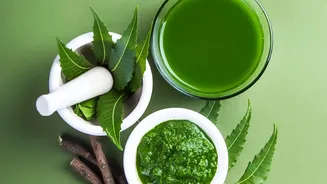
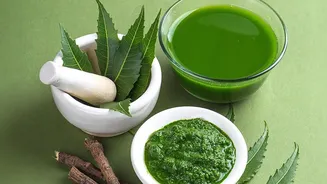
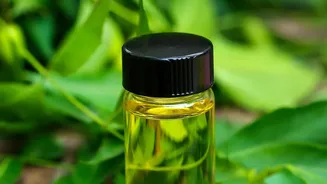
Neem oil, derived from the seeds of the Azadirachta indica tree native to India, is a cornerstone of organic gardening. Its power lies in the active compound azadirachtin, which works in multiple ways. It acts as a repellent, an antifeedant that stops insects from eating your leaves, and a hormone disruptor that interferes with their growth and reproduction. It is particularly effective against common nuisances like aphids, mealybugs, whiteflies, spider mites, and various caterpillars. Neem oil also has fungicidal properties, helping to control issues like powdery mildew and black spot.
How to Make and Use Neem Oil Spray
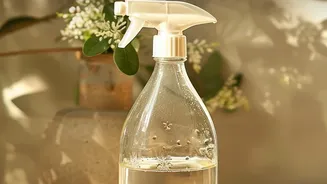
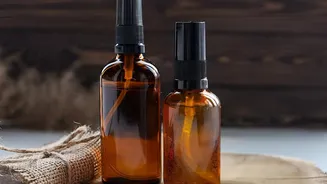
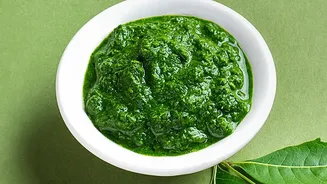
Creating your own neem oil spray is simple. The key is to emulsify the oil so it mixes with water. For a basic one-litre solution, combine one litre of warm water with one teaspoon of pure, cold-pressed neem oil. Add about a quarter to half a teaspoon of a mild liquid soap (not detergent) to the water and mix it first; this acts as an emulsifier. Then, slowly add the neem oil while stirring vigorously. Pour the mixture into a spray bottle and use it immediately, as the oil can separate over time. Shake the bottle frequently during application. Thoroughly coat the plants, paying special attention to the undersides of leaves where pests often hide.
The Simple Power of Soapy Water
A simple solution of soap and water is surprisingly effective, especially against small, soft-bodied insects. The soap works by breaking down the insect's protective outer layer, or cuticle, causing it to dehydrate and die. It can also block their breathing pores. This method is best for tackling aphids, mealybugs, whiteflies, and spider mites. It is a contact insecticide, meaning it must directly coat the pest to work and has no residual effect once dry. This is actually a benefit, as it is less likely to harm beneficial insects like ladybugs and bees that arrive later.
How to Make and Use Soapy Water Spray
When making a soap spray, it is crucial to use a pure soap, like Castile soap, and not a synthetic detergent like many dishwashing liquids, which can strip the protective waxes from plant leaves and cause damage. A safe dilution is a 1% to 2% solution. To achieve this, mix one to two teaspoons of liquid soap into one litre of water. As with neem oil, pour this into a spray bottle and apply it thoroughly, ensuring you cover all surfaces of the leaves and stems where pests are visible. Since it only works on contact, you may need to reapply every four to seven days to control a persistent infestation.
Best Practices for Safe Application
Timing and testing are everything. The best time to spray your plants with either solution is in the early morning or late evening. Applying these sprays in direct, hot sunlight can cause the leaves to scorch. Before spraying an entire plant, always perform a 'spot test' on a single leaf and wait 24 to 48 hours to check for any signs of damage or stress. Avoid spraying on very hot days or when plants are stressed from lack of water. Consistent application is key to managing pest populations, but always be mindful not to overdo it, as repeated applications can sometimes cause cumulative damage.