

A Shift in Traveller Mindset
What began as a necessity for safe, private mobility during the pandemic has now blossomed into a preferred way of travel. Indian travellers are increasingly seeking freedom and control over their itineraries, a stark contrast to the rigid schedules of group
tours. This shift is driven by a desire for spontaneity—the ability to stop at a scenic viewpoint, explore a village not on the map, or linger over a meal at a roadside dhaba. This trend is particularly strong among younger generations like Gen Z and millennials, who favour flexible plans, solo journeys, and discovering offbeat locations over conventional tourist spots. Data from travel companies shows that modern travellers are planning more frequent, shorter breaks, often built around long weekends, making driving holidays an ideal choice.
Infrastructure Fuels the Journey
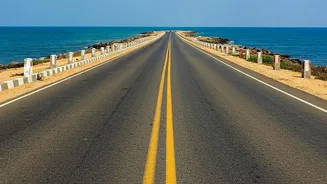
A key enabler of this boom is India's rapidly expanding and improving road infrastructure. The government's focus on upgrading the national highway network has been a game-changer. Major projects like the Delhi-Mumbai Expressway and upgrades to coastal highways have significantly reduced travel times and improved safety, making previously distant destinations more accessible. India's national highway network has expanded by around 60% since 2014, forming the backbone of this new travel culture. This development has not only made driving more comfortable but has also spurred growth in tourism to previously untapped regions, encouraging travellers to explore beyond the usual hubs.
The Rise of Self-Drive Rentals
The growing preference for access over ownership has fuelled a massive boom in the self-drive car rental market, which is expected to be a ₹5,000 crore market in 2026. This sector is growing by 20-25% annually, with companies expanding their footprint from metro areas into Tier-2 and Tier-3 cities. This makes it easier than ever for people to rent a vehicle for a weekend getaway or a long-distance tour. Travellers now have a wide choice of vehicles, from budget hatchbacks to family-sized SUVs, with features like home delivery making the process even more convenient. This trend is a significant shift from traditional chauffeur-driven rentals, reflecting a growing confidence and desire for independence among Indian drivers.
Iconic Circuits: The Golden Triangle
For first-timers and international visitors, the Golden Triangle circuit connecting Delhi, Agra, and Jaipur remains the quintessential Indian road trip. This journey of roughly 720 kilometres offers a seamless drive through history, culture, and incredible architecture. The route, primarily on well-maintained national highways like NH48, allows for a comfortable multi-day trip. Travellers can experience the chaos and history of Delhi, marvel at the Taj Mahal in Agra, and explore the majestic forts of the Pink City, Jaipur. The drive itself passes through the Rajasthani countryside, offering a glimpse of local life that is often missed when travelling by train or plane.
Himalayan Highs and Coastal Cruises
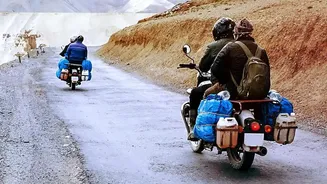
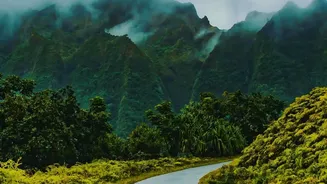
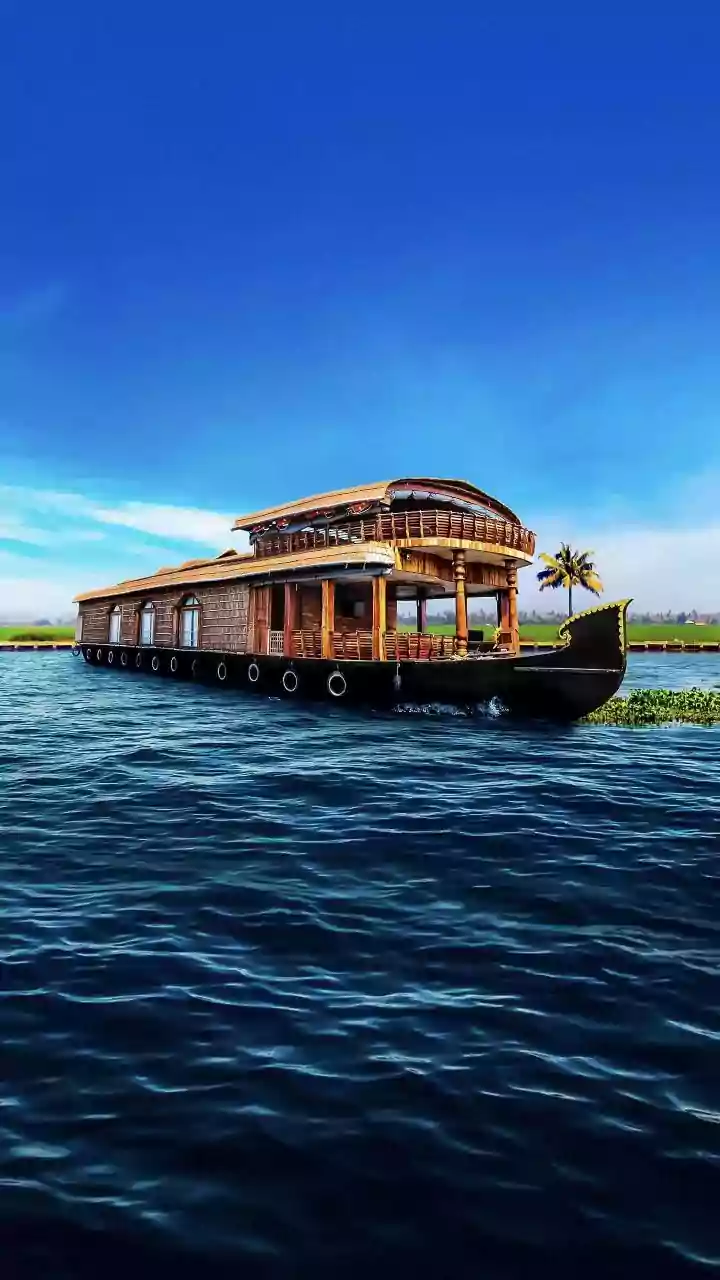
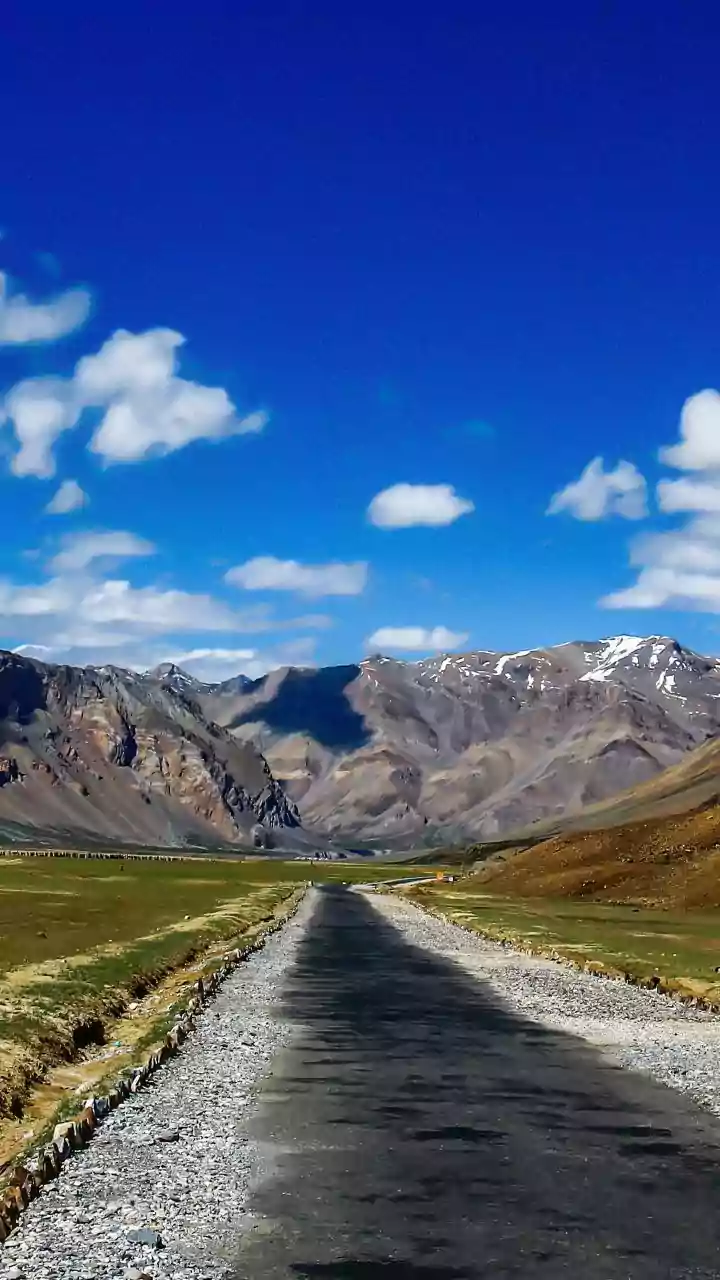
For the more adventurous, the high-altitude journey from Manali to Leh is one of the world's most legendary road trips. Spanning approximately 470-490 kilometres, this route takes you through some of the highest motorable passes, past turquoise rivers and breathtaking glaciers. On the other side of the country, the drive from Mumbai to Goa along the Konkan coast offers a completely different experience. This roughly 600-kilometre trip down NH66 showcases the Western Ghats meeting the Arabian Sea, with red cliffs, coconut groves, and pristine beaches dotting the landscape. Other popular routes gaining traction include the lush coffee and spice loop in South India, from Bangalore through Coorg and Wayanad, and the desert circuits of Rajasthan.
Beyond the Metros
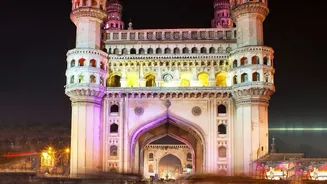
While routes connecting major cities remain the busiest, the strongest growth in road travel is now seen on regional corridors and routes connecting Tier-2 cities. Data from ride-sharing platforms shows that journeys like Ahmedabad-Vadodara, Thrissur-Kochi, and Indore-Ujjain are seeing a surge in demand. This indicates a fundamental shift, with more people exploring destinations closer to home for weekend getaways, spiritual tourism, and leisure holidays. The rise of 'drivecations' is replacing short-haul flights for trips between 200 and 600 kilometres, as travellers opt for the convenience and luggage freedom that comes with having their own vehicle.