



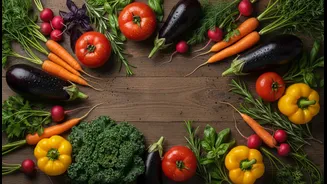



The Myth of the Imported Superfood
In an age of global wellness trends, it's easy to believe that superior nutrition comes with a hefty price tag and an international label. We see avocados, quinoa, and kale promoted as the pinnacles of health, leading many to overlook the treasures in our
own backyards. The much-celebrated Mediterranean diet, for example, is not about specific imported ingredients but about a principle: eating fresh, whole foods that are local to a region. The diet's benefits come from its emphasis on plant-based meals and healthy fats, principles that are already deeply embedded in traditional Indian food systems. Chasing the exact vegetables from the Mediterranean misses the point entirely; true health lies in applying these principles to our own rich, local biodiversity.
India's Nutritional Powerhouses
Before you spend a fortune on quinoa, consider rajgira (amaranth). This ancient Indian grain is a nutritional powerhouse, outperforming quinoa in iron and calcium content. Instead of expensive kale, why not embrace moringa (drumstick leaves)? A staple in South Indian kitchens, moringa is packed with more vitamin C than oranges and more potassium than bananas. Our local greens like methi, sarson, and bathua are incredibly dense in nutrients, especially during the winter. And for an antioxidant boost, the humble amla (Indian gooseberry) provides benefits comparable to blueberries at a fraction of the cost, and it has been a cornerstone of Ayurvedic medicine for centuries. These local superfoods are not only nutritionally potent but are also better suited for our bodies and climate.
Flavour and Freshness You Can't Import
There is a simple truth that every discerning cook knows: fresh food tastes better. Seasonal produce, picked at its peak ripeness, is bursting with flavour and has a more satisfying texture. An out-of-season tomato, picked early and ripened with gas during a long journey, can never compare to a juicy, sun-ripened one from a local farm. The time food spends in transit and storage significantly depletes its nutritional value, especially sensitive nutrients like Vitamin C. A locally sourced, in-season fruit or vegetable arrives on your plate quickly, retaining its intended taste and health benefits. By choosing local, you are choosing food that is alive with flavour, something that weeks of refrigerated transport can never preserve.
Good for Your Wallet, Good for the Planet
The benefits of eating local extend far beyond your plate. When you buy from local farmers, you are directly supporting your community and the national economy. Seasonal produce is more abundant, which naturally makes it more affordable than imported goods that carry the costs of transport, storage, and preservation chemicals. The environmental argument is even more compelling. The journey of imported food, or 'food miles,' contributes significantly to greenhouse gas emissions. Choosing local produce dramatically reduces your carbon footprint, lessens the need for energy-intensive cold storage, and cuts down on food waste, as local food is less likely to spoil in transit. It’s a simple choice that collectively has a massive positive impact on our planet's health.
How to Embrace Seasonal Eating
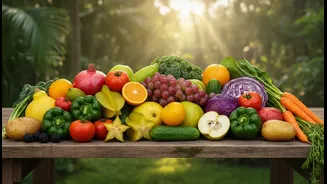
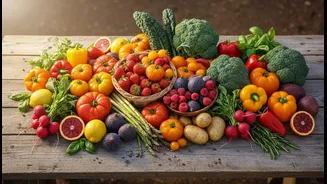
Making the switch is easier than you think. Start by visiting your local sabziwala or farmers' market instead of relying solely on supermarkets. Ask vendors what is in season; they are experts in local produce. Plan your meals around what is fresh and abundant. India's diverse climate means seasons offer a changing bounty. Summer brings cooling foods like watermelon, cucumber, and gourds. The monsoon provides gourds and corn, while winter offers a rich variety of leafy greens, root vegetables, and citrus fruits. Embracing this cycle introduces natural variety into your diet, which is excellent for gut health. It’s not about restriction, but about rediscovering the vibrant, delicious, and incredibly healthy food that our own land provides.