





The Allure of Ziro Valley
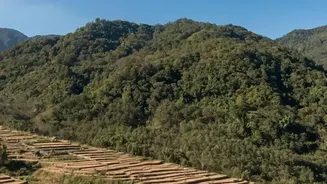
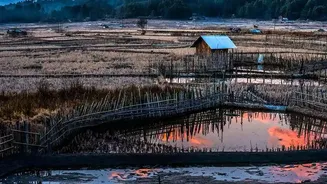
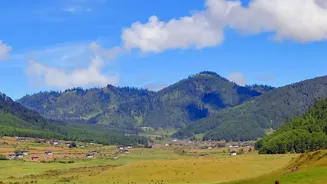
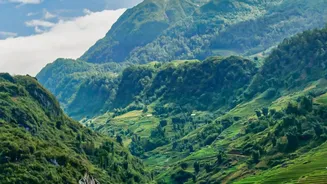
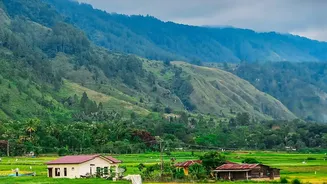
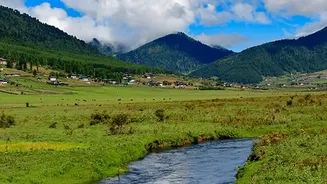
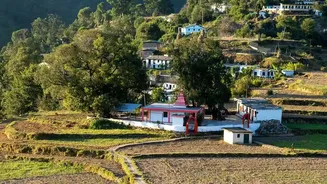
Nestled high in the hills of Arunachal Pradesh, Ziro Valley is a destination that feels a world away from the usual tourist trail. It’s a place of breathtaking beauty, where vibrant green rice paddies are interlaced with canals, and pine-clad hills frame
the horizon. This picturesque landscape is home to the Apatani people, a tribe known for their deep connection to the land and unique sustainable agricultural practices, such as an integrated rice-fish farming system that has been practiced for centuries. Beyond its natural splendour, Ziro has gained fame for the Ziro Music Festival, an eco-friendly event that draws music lovers from across the country. This blend of stunning scenery, rich indigenous culture, and a vibrant arts scene makes Ziro a powerful magnet for young travellers seeking authentic and meaningful experiences.
Your First Step: The Inner Line Permit
Before you can immerse yourself in Ziro’s charm, there's a crucial administrative step: obtaining an Inner Line Permit (ILP). An ILP is a government-issued document required for all domestic tourists (Indian citizens) to enter and travel within Arunachal Pradesh. This system was established to protect the interests and culture of the indigenous communities. Applying for an ILP is a straightforward online process. You can visit the official Arunachal Pradesh e-ILP portal, create an account, and fill out the application form. You'll need to provide your travel dates, specify the districts you plan to visit (be sure to include Lower Subansiri for Ziro), and upload a recent photograph and a valid photo ID like an Aadhaar card or passport. The fee is typically around ₹500 for a 14-day tourist permit. Approval is usually quick, often within a day or two, but it’s wise to apply at least a week in advance to avoid any last-minute issues.
Why Choose a Homestay Over a Hotel?
Once your permit is sorted, the next big decision is where to stay. While Ziro has a few hotels, the most enriching experience by far is found in its homestays. Staying with a local Apatani family offers a window into a way of life that hotels simply cannot replicate. It’s an opportunity for genuine cultural exchange, where your money directly supports the local community instead of a corporate chain. The hospitality is personal and warm; hosts often act as informal guides, sharing stories, recommending walks, and helping arrange local transport. Furthermore, the food is a major highlight. You get to savour authentic, home-cooked Apatani meals, often prepared with ingredients sourced from the family’s own garden or the surrounding fields. It's an experience that shifts you from being a mere tourist to a welcome guest.
The Essence of a Sustainable Stay
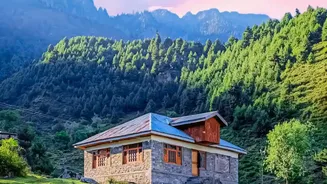
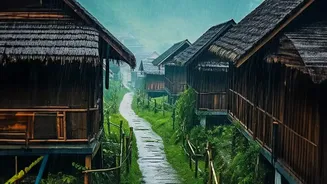
In a place as ecologically and culturally sensitive as Ziro, sustainability is not just a buzzword; it’s a necessity. Sustainable homestays here embody this principle. Many are built using traditional methods and local materials like bamboo and wood, minimising their environmental footprint. These homes are often a masterclass in vernacular architecture, designed to work in harmony with the local climate. The concept extends to daily practices like waste reduction, the use of fresh, local produce, and the preservation of cultural traditions. By staying in a homestay, you are actively participating in a form of tourism that values and helps preserve the Apatani cultural landscape, which is so unique it is on UNESCO's tentative list for World Heritage Site status.
A Deeper Connection with Apatani Culture
The true magic of a Ziro homestay lies in the connection you forge with the Apatani people. Traditional Apatani homes are often built around a central hearth, which serves as the heart of the household for cooking, storytelling, and socialising. Sharing this space, you might learn about the Donyi-Polo faith, which reveres the sun and moon, or hear stories behind the older women's distinctive facial tattoos and nose plugs. Many hosts are happy to share their knowledge of traditional weaving, bamboo crafts, or their intricate farming systems. This isn't a staged cultural show; it’s an authentic glimpse into the daily rhythms of a community that has lived in harmony with its environment for generations. It transforms your trip from a simple vacation into a profound learning experience.