






The All-India Number: A Deceptive Average
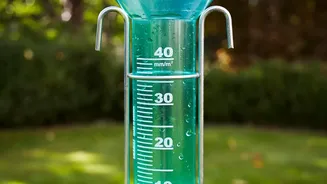
Each monsoon season, the India Meteorological Department (IMD) provides a crucial benchmark: the total rainfall received compared to the Long Period Average (LPA). The LPA is the average rainfall received over the country during the season, currently
calculated at 87 cm for the period of 1971-2020. A monsoon is considered 'normal' if the total rainfall is between 96% and 104% of this average. While this figure provides a useful, high-level summary, it can be deeply misleading. It averages out the entire country, treating a flood in one state and a drought in another as a balanced whole. This single percentage can mask extreme regional disparities, creating a false sense of security when the reality on the ground is one of stress and imbalance.
Spatial and Temporal: The Where and When of Rainfall
The true health of the monsoon hinges on two key factors: spatial and temporal distribution. 'Spatial' refers to where the rain falls. Is it evenly spread across the country's agricultural belts, or is it concentrated in just a few areas? For example, the western coast might receive heavy downpours leading to floods, while key rice-growing regions in the east remain parched. 'Temporal' distribution refers to when the rain falls and how. Does it arrive in steady, soaking showers throughout the season, or does it come in destructive, short bursts? A few days of torrential rain can dump a month's worth of water, causing floods and soil erosion, followed by long, dry spells that wither crops. This pattern of erratic, intense rainfall followed by dry periods is becoming a greater concern.
A Farmer's Reality: The Cropping Calendar Is King
For India's farmers, who depend on the monsoon to irrigate over half of the country's farmland, timing is everything. The success of the Kharif (summer) crops like rice, soybeans, and cotton depends on rain arriving at specific stages of the planting and growing cycle. Sowing can't begin without the initial monsoon showers to moisten the soil. A long delay can ruin the entire season's prospects. Similarly, if the rains withdraw too early or if there's a prolonged dry spell in the middle of the growing season, crops can fail even if the 'total' rainfall for the season ends up being normal. An uneven monsoon can mean some farmers face losses from too much water, while others just a few hundred kilometres away lose everything to drought, a scenario that has significant consequences for food prices and rural incomes.
Cities and Reservoirs: A Tale of Two Woes
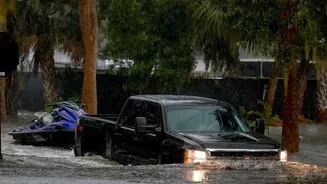
The impact of poor distribution is not limited to rural India. In urban areas, intense downpours over a short period can overwhelm drainage systems, leading to severe waterlogging and flash floods, as is often seen in cities like Mumbai. These deluges do little to solve long-term water needs. The country's major reservoirs, which supply drinking water and generate hydropower, depend on sustained, moderate rainfall over many weeks to fill up safely and effectively. Torrential bursts often lead to massive runoff, where the water flows away too quickly to be captured, eroding topsoil and causing floods downstream without significantly raising reservoir levels. A weak or poorly distributed monsoon can leave reservoir levels dangerously low, impacting both power generation and water supply for the months ahead.
Looking Beyond the Headline Figure
The conversation around the monsoon is slowly shifting to reflect this more nuanced reality. Forecasters and policymakers now pay closer attention to regional and sub-divisional rainfall data. The IMD provides detailed forecasts and observations that break down rainfall patterns across different parts of the country. This granular data is vital for preparing contingency plans, advising farmers on crop choices, and managing water resources effectively. As climate change is expected to make rainfall patterns even more erratic, understanding that a 'normal' monsoon can still bring widespread distress is more important than ever. The real measure of the monsoon's success is not in a single number, but in its ability to deliver the right amount of water, in the right places, at the right time.