

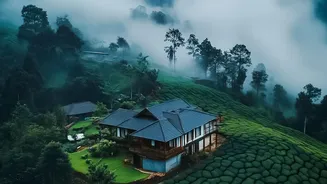
Why the Monsoon is Magical
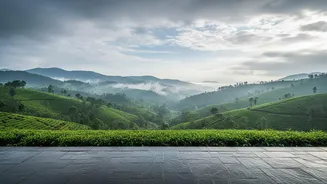
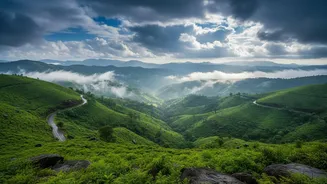
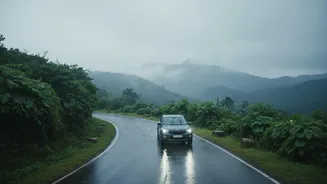
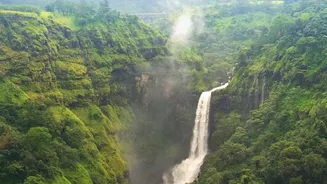
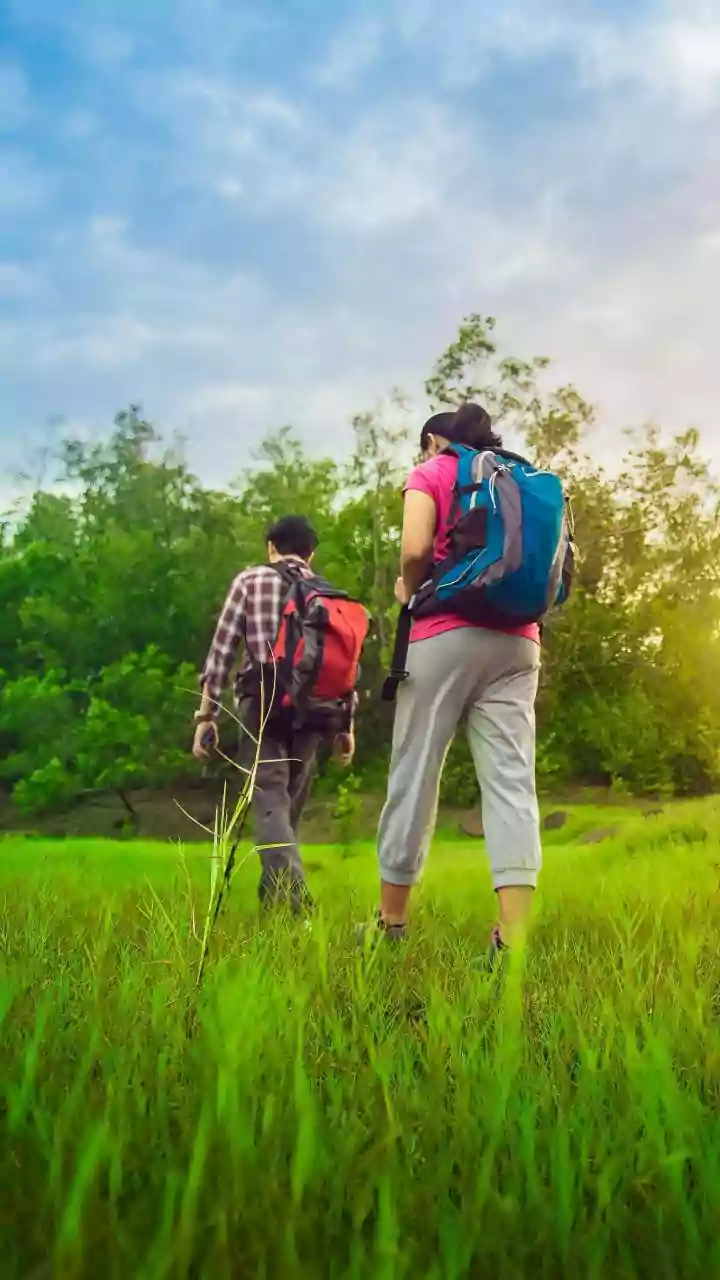
Forget what you think you know about the rains spoiling travel plans. From June to September, the Western Ghats awaken. The landscape sheds its dry season dust and explodes into a vibrant, near-fluorescent green. Waterfalls that are mere trickles for
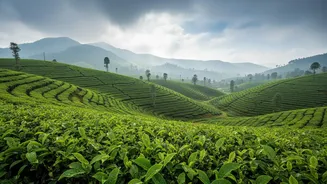
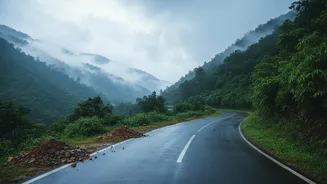
most of the year become roaring spectacles. Coffee plantations in regions like Coorg and Wayanad are washed clean, their leaves glistening and the air filled with the scent of wet earth. The mist that rolls through the valleys and clings to the hillsides creates a mystical, ever-changing landscape that feels otherworldly. This season also means fewer tourists, offering a more serene and personal connection with nature. For photographers and nature lovers, the dramatic skies, lush scenery, and powerful cascades provide endless inspiration.
Smart Destinations for Monsoon Treks
While the monsoon enhances beauty, it also increases risks like slippery trails. Choosing the right destination is crucial. Many trails remain popular and relatively safe with proper precautions. In Karnataka, Coorg (Madikeri) becomes a misty haven with attractions like Abbey Falls at its peak flow. Treks in Wayanad, Kerala, such as the one to Chembra Peak with its famous heart-shaped lake, are particularly rewarding, offering stunning views through tea estates and forests. For those in Maharashtra, routes to forts like Rajmachi and Lohagad are excellent choices for beginners, with wide, manageable paths. Malshej Ghat is another spectacular monsoon destination, famous for its countless waterfalls, though it's vital to check for road closures due to landslides, which can happen during heavy downpours. Always prioritise trails with good local management and avoid those known for flash floods or extreme slipperiness.
Essential Monsoon Backpacking Gear
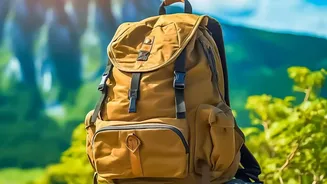
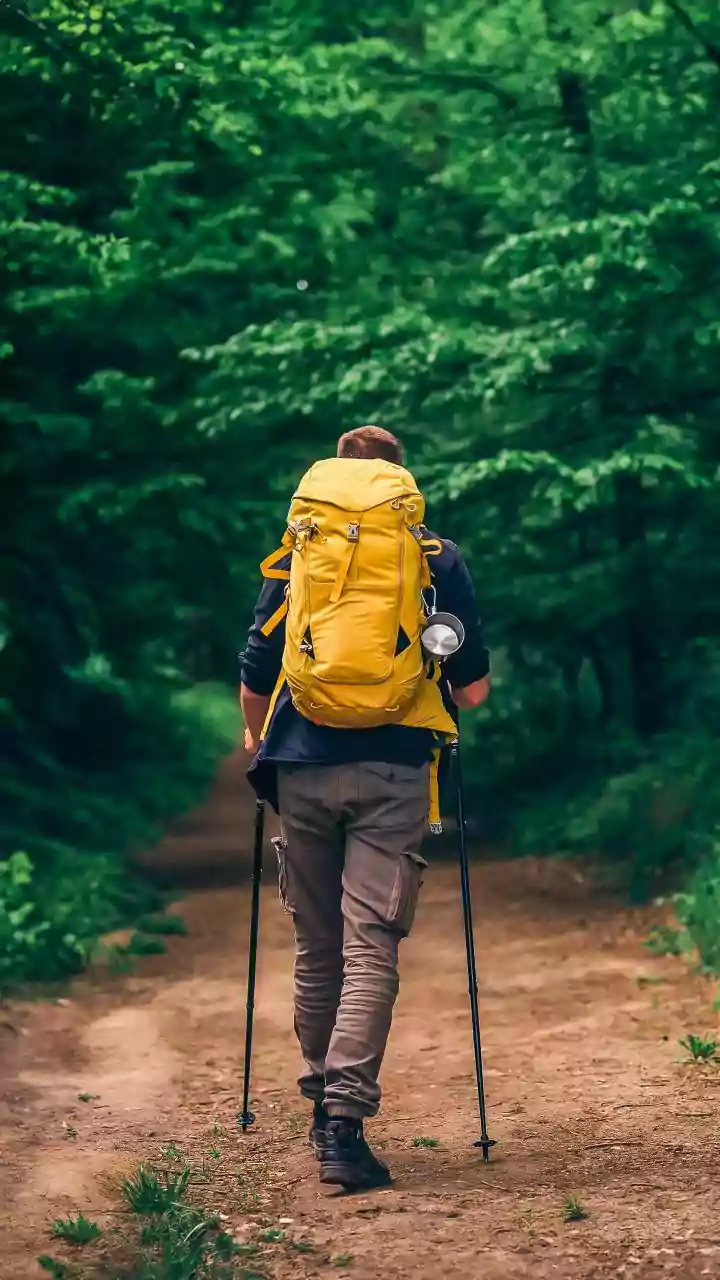
Your gear will make or break your monsoon backpacking trip. The goal is to stay as dry and comfortable as possible. A high-quality poncho is often better than a raincoat as it covers both you and your backpack, offering better ventilation. Inside your pack, use dry bags or even simple plastic bags to compartmentalise and protect electronics, clothes, and your sleeping bag. Footwear is non-negotiable: invest in proper trekking shoes with a deep-treaded, anti-slip sole for a firm grip on wet and muddy terrain. Quick-dry clothing made from synthetic materials is a must; avoid cotton, which gets heavy and stays wet for a long time. Leeches are a common reality in the wet forests of the Ghats. Carry leech socks or apply salt or an antiseptic solution to deter them. Finally, a trekking pole can provide an extra point of contact and stability on tricky descents.
Trekking Smart: Key Safety Tips
Safety should be your top priority. The monsoon makes trails unpredictable. Always check the latest weather forecast before you start and be prepared for conditions to change rapidly. It's highly recommended to hire a local guide who understands the terrain and knows which paths are safe to take during the rains. Start your trek early in the day to take advantage of better visibility and avoid the heavy afternoon showers that are common in the region. Be extremely cautious when crossing streams, as water levels can rise unexpectedly. If a current looks too strong, do not attempt to cross. Keep a basic first-aid kit with antiseptic wipes, bandages, and medication for common ailments. Inform someone about your itinerary and your expected return time. While the Ghats are enchanting in the rain, respecting the power of nature is essential for a safe and memorable adventure.