
The Gentle Revolution Away From Straight Lines
For years, modern Indian interiors were defined by a crisp, boxy minimalism. Sharp-edged furniture and strict geometric silhouettes created a look that was clean and functional, but sometimes sterile. Now, a significant shift is underway. Walk into any
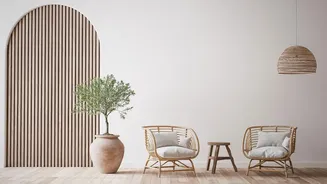
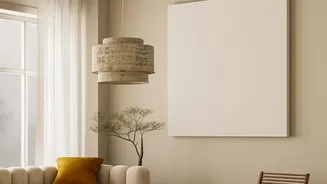
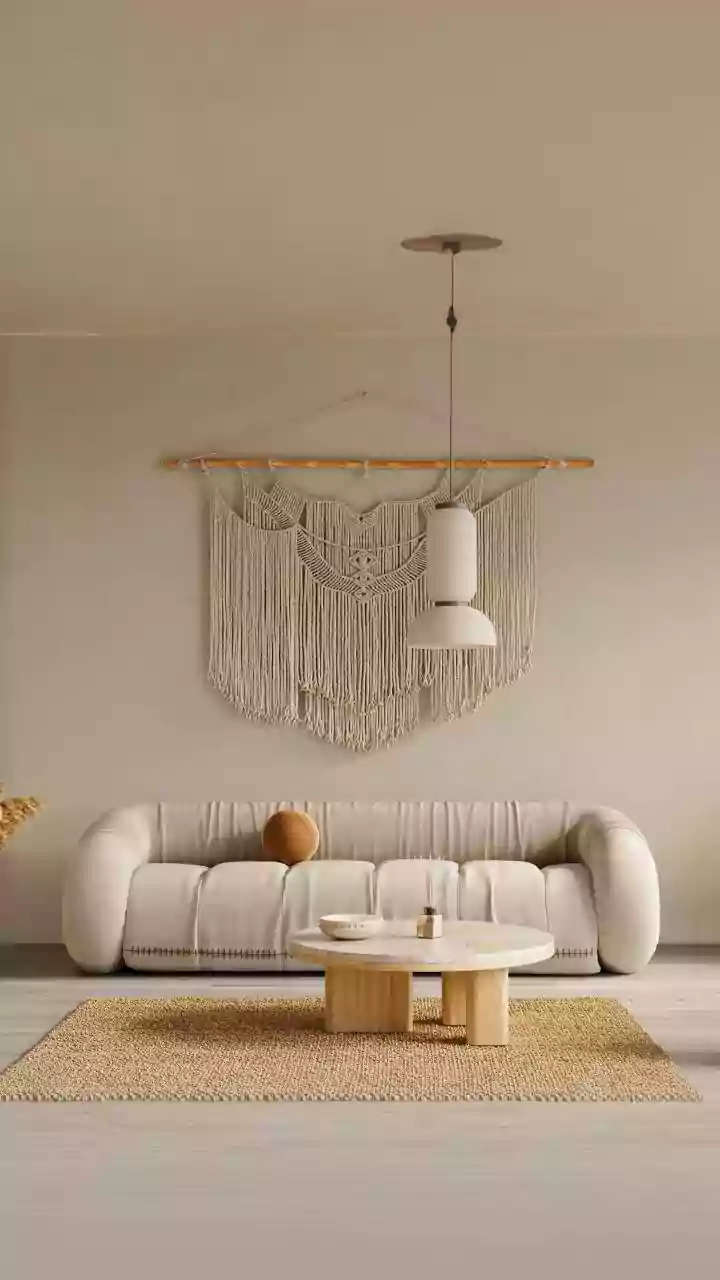
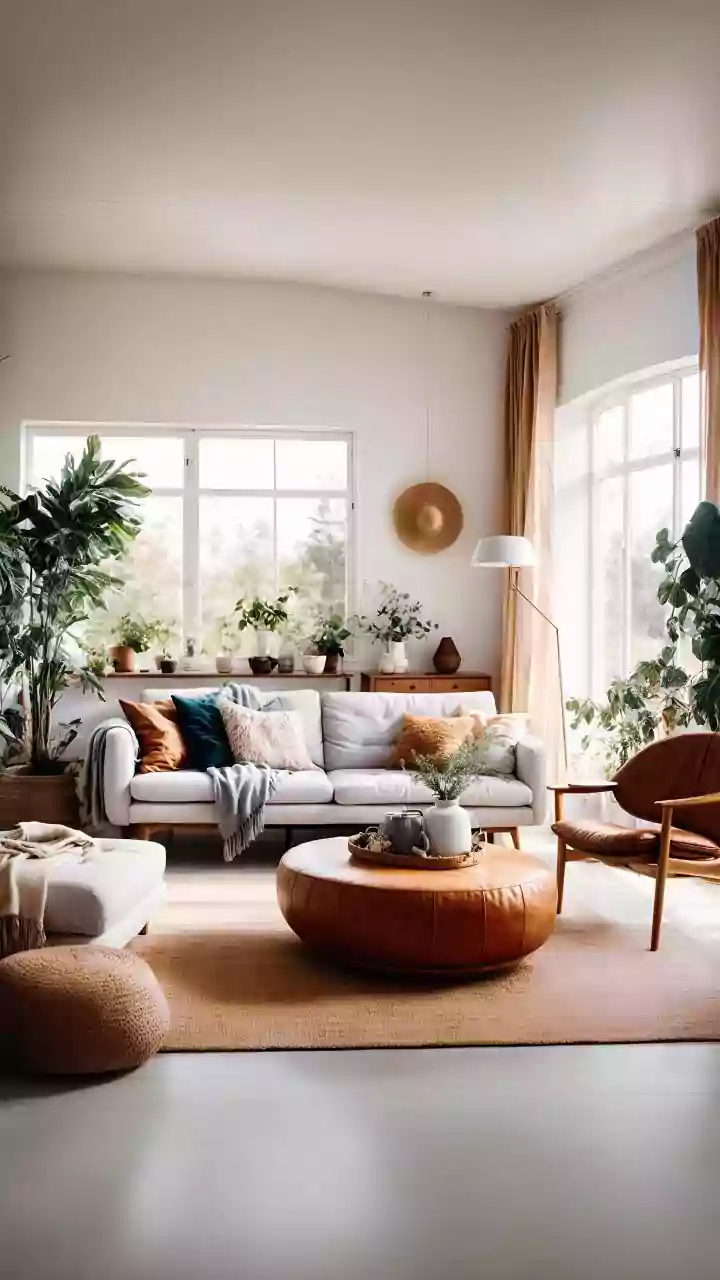
well-designed home in 2026, and you will see rounded sofas, oval coffee tables, arched mirrors, and sculptural accent chairs have taken their place. This is more than a fleeting trend; it represents a fundamental change in how we want our homes to feel, moving from status symbols to sanctuaries of genuine comfort.
The Psychology of Comfort and Curves
There's a deep psychological reason we're drawn to these softer shapes. Studies have shown that the human brain is wired to perceive curved forms as safer and more welcoming than angular ones. Sharp corners can subconsciously register as a threat—an evolutionary holdover from avoiding thorns or shards—triggering a subtle sense of alertness. Curves, on the other hand, evoke feelings of calm, relaxation, and happiness. A curved sofa naturally encourages conversation by turning people slightly toward each other, creating a more inclusive and social atmosphere. In a fast-paced urban world, creating a home that feels like a protective, gentle embrace has become a priority.
A Perfect Fit for the Modern Indian Apartment
Beyond the feel-good factor, curved furniture is incredibly practical for the layouts of many urban Indian homes. In compact apartments where space is at a premium, sharp corners can create awkward traffic jams. A round coffee table or a sofa with sloped arms improves circulation, allowing you to move more freely around the room. This enhanced flow can make even a small room feel more open and dynamic. Furthermore, in open-plan living and dining areas, the back of a curved sofa acts as a beautiful, soft partition, defining zones without the need for a solid wall. It’s a design choice that is both elegant and efficient.
Our Growing Connection to Nature
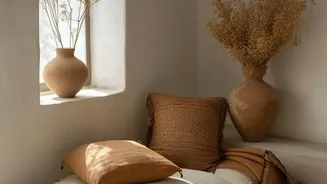
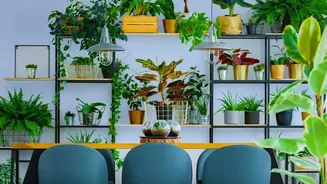
This trend is also deeply linked to the rise of biophilic design—the practice of connecting our indoor environments with the natural world. Nature rarely produces perfect right angles; it is full of rolling hills, flowing rivers, and smooth pebbles. Curved furniture mimics these organic forms, creating a visual link to the outdoors and fostering a sense of calm. As Indian homeowners increasingly seek to create healthier, more balanced living spaces, furniture that reflects the imperfect, gentle lines of nature has become a natural choice. This shift is part of a larger movement towards interiors that are not just beautiful, but also support our mental well-being.
How to Embrace the Curve at Home
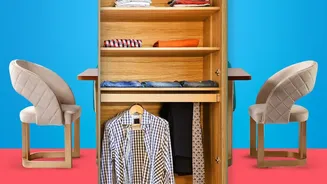
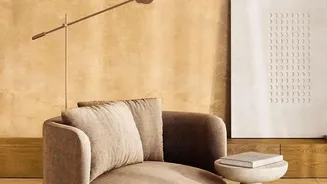
Incorporating this trend doesn’t require a complete overhaul. You can start small. Swapping a rectangular coffee table for a round or oval one is one of the easiest ways to introduce softer geometry. An accent chair with a rounded back or a sculptural, arched floor lamp can also make a significant impact. If you are ready for a larger commitment, a curved sofa can become the centrepiece of your living room, establishing a warm and inviting tone. The key is to create balance. A room filled entirely with curves can feel overly decorative, so the goal is to use rounded pieces to break the stiffness of a space, mixing them with some of your existing straight-lined furniture for a look that feels considered and personal.