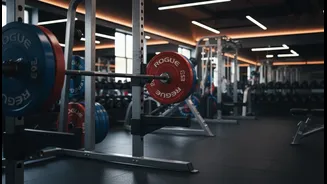









The Cardio vs. Weights Debate
Many of us start our gym sessions with a bit of cardio to warm up. But according to Dr. Sudhir Kumar, a neurologist in Hyderabad, a long run before strength training might be a mistake if your goal is to build muscle or get stronger. He explained in a social
media post that performing extensive cardio, like a 30 to 45-minute run, before lifting can tire out your muscles and deplete their primary energy source, known as glycogen. This fatigue can lead to lifting lighter weights, completing fewer reps, and using poor form, ultimately reducing your long-term strength and muscle gains. This concept is what exercise scientists call the "interference effect."
What Is the 'Interference Effect'?
The interference effect is a phenomenon first described in the 1980s, suggesting that endurance (aerobic) exercise can interfere with the body's ability to adapt to strength (resistance) training. At a cellular level, cardio and weightlifting trigger different signalling pathways. Endurance exercises activate a pathway known as AMPK, which is great for building stamina. Strength training, on the other hand, fires up the mTOR pathway, which is crucial for muscle growth. Some research suggests that activating the endurance pathway first can temporarily inhibit the muscle-building one, potentially blunting the effectiveness of your weightlifting session that follows.
When Your Goal is Pure Strength
If building muscle and maximising strength is your top priority, the general consensus among fitness experts is to lift weights first. When you start your workout with strength training, your muscles are fresh, and your energy stores are full, allowing you to lift heavier and maintain proper form. Research has shown that athletes who strength train before doing cardio can lift heavier and see better strength improvements over time compared to those who do cardio first. Fatiguing your muscles with a long run beforehand not only reduces your lifting capacity but may also increase your risk of injury due to compromised form.
What If Endurance Is Your Priority?
The advice flips if your main goal is to improve your cardiovascular endurance, like training for a 10K race or a half-marathon. In this case, doing your cardio session first makes more sense. You'll have the most energy at the beginning of your workout to dedicate to your run, bike ride, or swim, allowing you to push your aerobic limits. Research shows that if you do heavy strength training before an intense cardio session, your heart has to work harder for the same result, which can undermine your endurance training goals.
The Verdict for General Fitness
For the average person who simply wants to improve their overall health, the order of exercise is less critical. The most important factor is consistency. The best workout plan is the one you will stick with. Some research even suggests that for general fitness, it doesn't matter which you do first. If you have limited time, combining both into one session is effective; just start with the activity that aligns most with your primary goal for that day. Another effective strategy is to separate your cardio and strength workouts, either by several hours or by doing them on different days, which can improve recovery and performance in both areas.