






The Atmosphere Puts a Lid on It
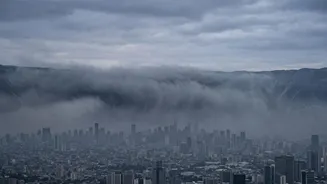
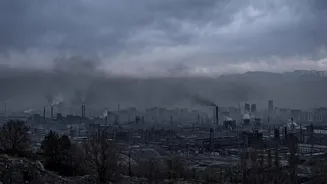
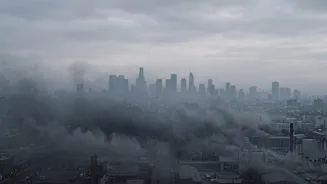
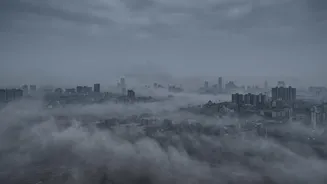
The primary culprit that sets the stage for Delhi's pollution crisis is a weather phenomenon called temperature inversion. Normally, the air closer to the ground is warmer and rises, dispersing pollutants high into the atmosphere. But as winter sets in,
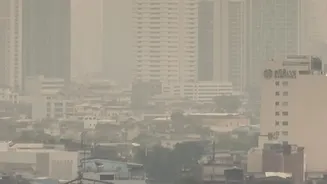
the ground cools rapidly at night, making the air near the surface colder and denser than the air layer above it. This warmer layer acts like a lid, trapping the cold air—and everything in it—close to the ground. Compounding this is a significant drop in wind speed, which prevents pollutants from being blown away horizontally. The result is an atmospheric trap that concentrates all emissions in the air that millions of people breathe.
Smoke Signals from Farm Fires
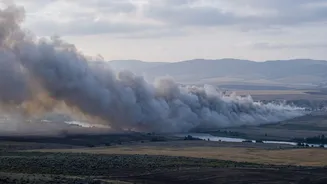
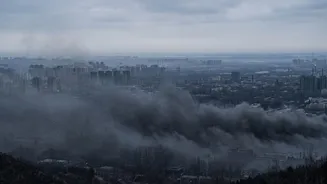
The most visible contributor during this period is stubble burning in the neighbouring states of Punjab, Haryana, and Uttar Pradesh. After harvesting their paddy crops, farmers are left with a very short window to clear their fields for the next sowing season. Burning the leftover crop residue, or 'parali', is the fastest and cheapest method. This practice releases enormous plumes of smoke containing fine particulate matter (PM2.5 and PM10), carbon monoxide, and other toxic gases. The prevailing north-westerly winds at this time of year carry this smoke directly towards the Delhi-NCR region, where it gets caught in the meteorological trap. On some days, smoke from farm fires can account for over a third of Delhi's particulate pollution.
Delhi's Own Daily Emissions
While stubble burning is a major seasonal factor, the region suffers from high baseline pollution year-round. This local pollution becomes acutely dangerous when it can no longer disperse. The constant stream of emissions from the millions of vehicles on Delhi's roads is a primary source. According to some studies, vehicular emissions contribute significantly to winter PM2.5 levels, at times accounting for up to 40% of the pollution. Added to this are emissions from industries operating in and around the city, dust from the vast number of construction sites, and the burning of waste. Even without stubble burning, these local sources are substantial enough to cause 'Very Poor' air quality under winter's inversion conditions.
A Confluence of Factors
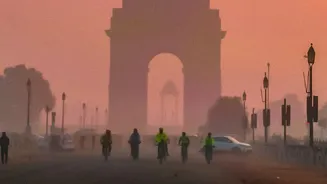
No single source is solely to blame for the November smog. The crisis is a result of all these factors occurring simultaneously. The geographical location of Delhi, nestled in the Indo-Gangetic plain with the Himalayas to the north, creates a 'bowl' effect that further hinders the dispersal of pollutants. The timing often coincides with postst Diwali festivities, where firecracker emissions can cause a sharp, albeit temporary, spike in pollution levels, adding metal particles and toxins to the already overloaded air. The combination of trapped local pollution from vehicles and industry, a massive influx of smoke from farm fires, and weather patterns that lock it all in place is what turns Delhi's air toxic each year.