




What Exactly is 'Starch Fluid'?
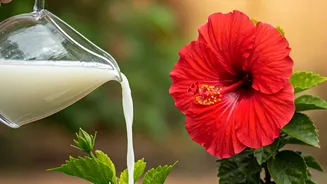
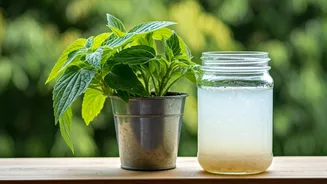
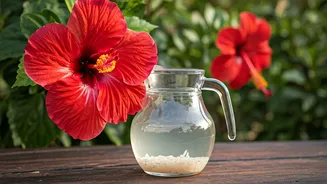
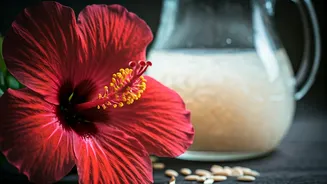
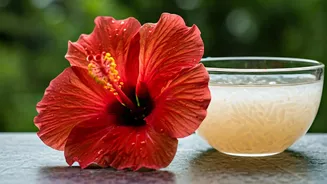
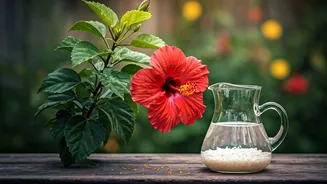
Before you start pouring your dinner prep water onto your precious plants, let's clarify what we mean by 'starch fluid'. This isn't a special product you buy; it's the cloudy, nutrient-rich water left over after rinsing rice or boiling pasta or potatoes.
For generations, thrifty gardeners have repurposed this kitchen waste, believing it provides a gentle dose of nutrients to their plants. The most common types are rice water (from rinsing uncooked rice) and potato or pasta water (from boiling them). The key is that this water must be unsalted and completely cooled before it goes anywhere near your hibiscus.
The Science Behind the Garden Hack
So, is this just an old wives' tale, or is there some science to it? The answer lies somewhere in between. Starchy water isn't a miracle-grow formula, but it does contain trace amounts of beneficial elements. The water holds small quantities of nutrients that leach out from the grains or vegetables, including nitrogen, phosphorus, and potassium (N-P-K), which are the primary building blocks of all plant fertilizers. Phosphorus, in particular, is known to play a crucial role in promoting flower and fruit development. Furthermore, the starches themselves can provide a food source for beneficial microorganisms in the soil. These microbes help improve soil structure and make nutrients more available to the plant's roots. Think of it as a very mild, organic tonic for your soil, not a powerful, fast-acting fertilizer.
How to Prepare Your Starch Water
Preparing this fluid is incredibly simple, but getting it right is crucial for your plant's health. **For Rice Water:** Use the water from the first or second rinsing of uncooked rice. This cloudy liquid is full of starches and minerals. You can use it immediately after collecting it. **For Potato or Pasta Water:** This is the most important rule: you can only use water from boiling potatoes or pasta if you have NOT added salt. Salt is extremely harmful to most potted plants, including hibiscus, as it dehydrates the roots and can lead to plant death. After boiling, allow the water to cool down completely to room temperature. Hot water will shock and damage the plant's root system. In both cases, you can use the fluid as is. Some gardeners prefer to dilute it with an equal part of plain water, which is a safer approach if you are trying this for the first time.
Application: How and When to Water
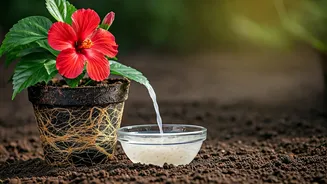
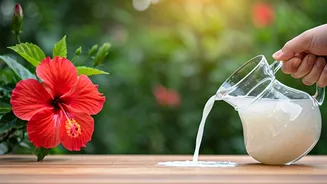
Using starch water is best done as a replacement for a regular watering, not in addition to it. Overwatering is a common cause of problems in hibiscus, leading to root rot. Aim to use the starchy fluid about once every one to two weeks during the growing season (spring and summer). Pour the cooled, unsalted liquid directly onto the soil, soaking the root ball just as you would with regular water. Avoid splashing the leaves excessively, as the starchy residue could potentially attract pests or encourage fungal growth. After applying, watch your plant. See how it responds over the next few weeks. Healthy new growth and the development of flower buds are good signs. If you notice any yellowing leaves or a foul smell from the soil, stop using it and return to plain water.
Important Cautions and Best Practices
While this is a gentle method, there are a few key precautions. First and foremost, never use salted water. Second, don't overdo it. Using starch water too frequently can make the soil gummy, reduce aeration, and potentially attract pests like fungus gnats or cause mold to grow on the soil surface. This method is best for healthy, established plants. Avoid using it on a hibiscus that is already stressed, diseased, or suffering from a pest infestation, as you could make the problem worse. Finally, remember that this is a supplement, not a cure-all. It cannot replace the fundamental needs of your hibiscus: plenty of direct sunlight (at least 6 hours a day), well-draining soil, and a balanced fertilizer formulated for flowering plants during the growing season. This hack works best when it's part of a complete and proper care routine.