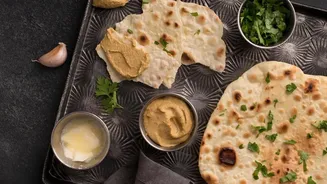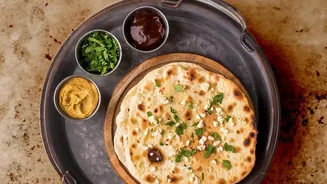






The Tandoor Is No Longer a Barrier
The single biggest hurdle for homemade naan has always been the tandoor, the traditional clay oven that bakes the bread at scorching temperatures. This intense heat creates the signature puffed texture and charred spots. For decades, the lack of a tandoor made the pursuit
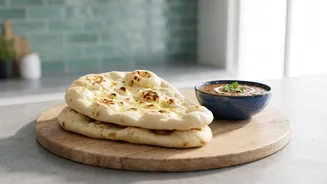
of perfect naan at home seem futile. However, home cooks have discovered clever workarounds that mimic the tandoor effect. The most popular method involves a humble cast-iron tawa or skillet. By preheating the tawa until it's extremely hot, cooks can achieve a powerful burst of initial heat. One common technique involves brushing one side of the rolled dough with water, which helps it stick to the hot tawa. After a minute or two, once bubbles form, the entire tawa is flipped upside down over a direct gas flame, charring the top of the naan and replicating that smoky, tandoor-like finish. This simple yet ingenious hack has been a game-changer, proving you don't need professional equipment for professional results.
Demystifying the Dough
Beyond the cooking method, the dough itself was another source of intimidation, particularly the use of yeast. While yeast is a common leavening agent, many Indian home cooks are more familiar with using yogurt (dahi), baking soda, and baking powder for other breads. Responding to this, a wave of no-yeast naan recipes has surged in popularity online. These recipes use a combination of full-fat yogurt, baking powder, and baking soda to leaven the dough. Yogurt not only acts as a leavening agent but also tenderizes the dough, ensuring a softer, more pliable naan. This shift towards familiar pantry staples has made the process far more approachable, removing the uncertainty of activating yeast and waiting for the dough to rise for hours. Many recipes now offer a quick 30-minute resting time, making naan a feasible option even for a weeknight meal.
The Digital Age of Indian Cooking
The rise of food bloggers, YouTubers, and Instagram chefs has played a monumental role in demystifying complex recipes like naan. Where written recipes might leave room for error, step-by-step video tutorials provide visual cues that build confidence. Viewers can see the exact consistency the dough should have, how to roll it without it becoming tough, and the precise moment to flip it on the tawa. Indian food creators have perfected and shared foolproof recipes, offering detailed tips and troubleshooting advice that were once passed down only through generations or in professional kitchens. They break down each part of the process, from kneading the dough to achieving the perfect puff, making home cooks feel like they have an expert guiding them in their own kitchen. This accessibility of information has empowered countless people to try, and succeed at, making naan for the first time.
Simple Tips for Success
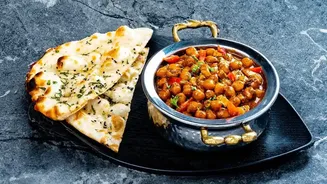
With the intimidation factor lowered, more cooks are discovering that the secret to great naan lies in a few simple details. First, using a combination of warm milk and yogurt yields a consistently soft dough. Second, ensuring the dough is soft and pliable—but not sticky—is crucial. Finally, not over-kneading or rolling the dough too thin helps maintain its fluffy texture. Brushing the finished naan with melted butter or ghee immediately after it comes off the heat is the final, non-negotiable step for that authentic, glossy finish and rich flavour. These small but significant techniques, shared widely by the online cooking community, are what bridge the gap between a homemade attempt and a restaurant-quality result.