






The Allure of the Unseen
Every year, as the first rains fall, a familiar pattern emerges. The highways leading to popular hill stations like Lonavala, Mahabaleshwar, and Munnar become choked with traffic. While beautiful, these destinations often buckle under the weight of their
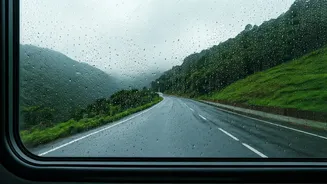
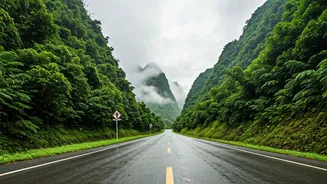
own popularity, leading to overcrowded viewpoints and a less-than-peaceful experience. The real magic of the Indian monsoon, however, unfolds on the state highways and rural roads that are often overlooked. These are the arteries that connect smaller cities and towns, winding through landscapes that remain authentic, serene, and deeply connected to the season. Choosing these paths isn't just about avoiding the crowds; it’s about discovering a more intimate version of monsoon travel, where the journey itself is the main event. It’s on these routes that you’ll find spontaneous waterfalls cascading over nameless hills, local eateries serving piping hot snacks without a queue, and stretches of road where the only sound is the rain drumming on your car's roof.
Konkan's Coastal Charms Beyond the NH66
The Konkan coast during the monsoon is legendary, but its beauty extends far beyond the main Mumbai-Goa highway. Consider the interior roads branching off from towns like Ratnagiri and Dapoli. A drive from Ratnagiri towards Ganpatipule, for instance, offers a spectacular blend of coastal vistas and lush, paddy-field-laden interiors. The road dips and rises, flanked by dense greenery and villages that seem to move at a slower, more deliberate pace. Unlike the main highway, these smaller roads invite you to stop. You can pause at a clean, deserted beach like Aare-Ware or find a local vendor selling fresh jackfruit on the side of the road. The hill station of Amboli, often called the “Cherrapunji of Maharashtra,” is another Konkan gem best approached through winding state roads that showcase its true rainy season splendour. Exploring these routes supports local economies directly and offers a glimpse into a Konkan that remains beautifully unscripted.
The Emerald Embrace of the Eastern Ghats
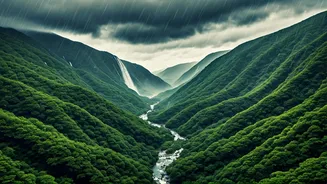
While the Western Ghats receive most of the monsoon glory, the Eastern Ghats, particularly around the Araku Valley in Andhra Pradesh, offer an equally mesmerising, if quieter, experience. The drive from Visakhapatnam to Araku is a journey through coffee plantations, thick forests, and tribal villages. The landscape transforms dramatically during the rains, with waterfalls like Thatigudi coming alive and clouds hanging low over the hills. The road conditions are generally good, allowing for a smooth drive through stunning scenery. Unlike its more famous western counterpart, the route to Araku feels less commercialised and more connected to the land. Stops at the million-year-old Borra Caves or a local coffee plantation add layers to the journey, making it more than just a scenic drive. Giving attention to routes like these helps diversify tourism and highlights the stunning, often-ignored beauty of India's eastern coast.
The Satpura's Secret: Pachmarhi's Rainy Season
In the heart of India, Madhya Pradesh's Pachmarhi, known as the "Queen of Satpura," becomes a vibrant green paradise during the monsoon. While it's a popular hill station, the approach roads and internal routes offer a unique experience often missed by those who stick to the main sights. Driving through the Satpura National Park to reach the town is an adventure in itself, with winding roads flanked by dense forests. During the monsoon, the waterfalls here are at their most powerful. Bee Falls, Rajat Prapat, and Apsara Vihar become thunderous spectacles. The real joy, however, lies in driving to viewpoints like Dhoopgarh, the highest point in the Satpuras, where you can watch clouds roll across the rain-washed valleys. Because it’s less accessible than other hill stations, Pachmarhi retains a tranquil charm, and its monsoon routes are perfect for those seeking solitude and stunning natural beauty.
Why These Journeys Matter
Championing these small-city monsoon routes is about more than just finding new places to visit. It’s an act of responsible tourism. By diverting traffic from overburdened hotspots, we reduce environmental strain. By spending money in smaller towns and villages, we contribute to equitable economic development and support local artisans and small businesses. Furthermore, exploring these areas helps preserve local culture by showing that it has value. For travellers, it’s a return to a more authentic form of exploration, one that prioritises discovery over destination. It encourages a slower, more mindful way of seeing the country, where the unplanned stop for chai at a roadside stall becomes as memorable as the final viewpoint. As we celebrate the monsoon, let's look beyond the familiar and give these deserving routes the attention they have long been denied.