


1. Prepare Your Vehicle Before the First Downpour
The most crucial safety habit begins before you even hit the road. Your vehicle is your first line of defense against monsoon hazards. Start with the tyres, your only point of contact with the slippery tarmac. Ensure they have adequate tread depth—at
least 3mm is recommended for monsoon safety, well above the legal minimum of 1.6mm. Worn tyres significantly increase the risk of aquaplaning, where a layer of water builds between the tyre and the road, causing a total loss of control. Next, inspect your brakes. Wet conditions can increase stopping distances, so ensure your brake pads have sufficient thickness and the brake fluid is clean. Finally, check your wipers and lights. Wiper blades degrade quickly in Indian heat and should be replaced annually to ensure they clear your windscreen effectively without leaving streaks. All lights—headlights, tail lights, and indicators—must be fully functional to see and be seen in heavy rain.
2. Prioritise Visibility: See and Be Seen
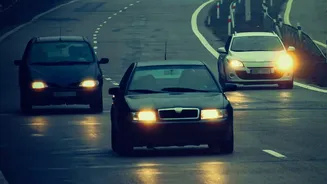
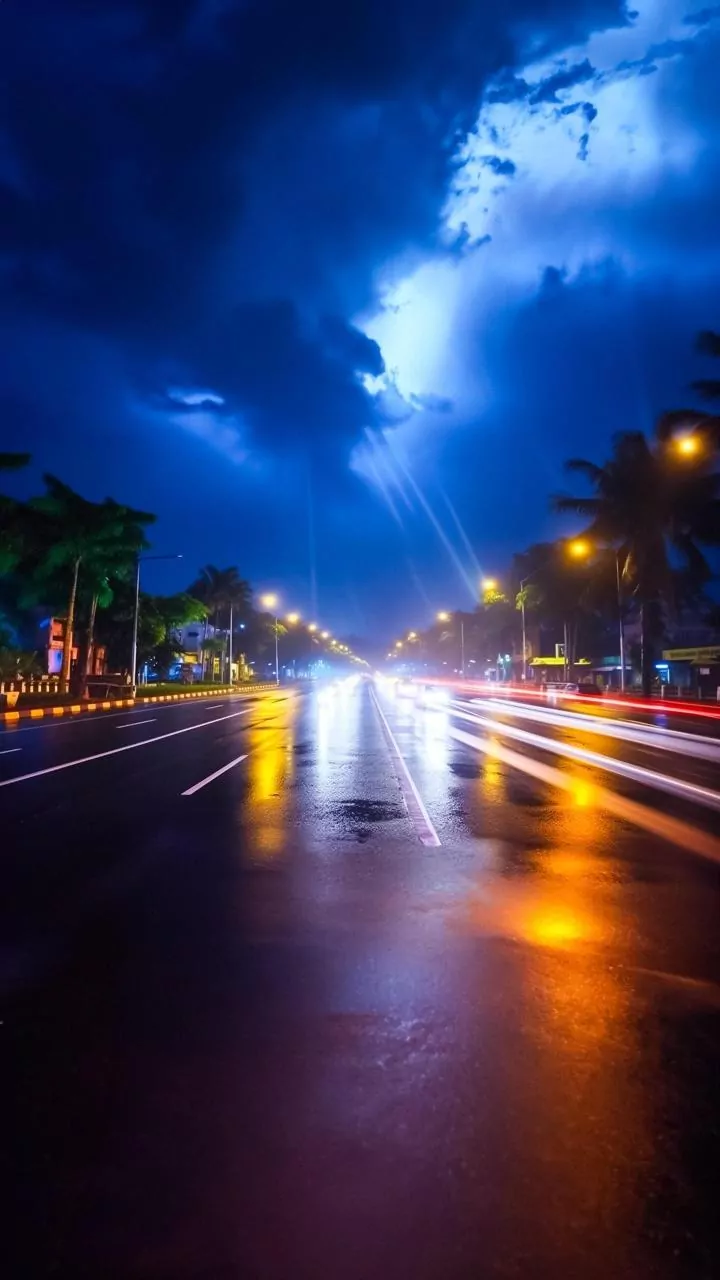
When the skies open up, visibility drops dramatically for everyone on the road. Your second habit is to actively manage how well you can see and how easily others can spot you. Always switch on your low-beam headlights during rain, even in the daytime. This makes your vehicle far more visible to oncoming traffic and pedestrians. High beams are counterproductive as they reflect off raindrops and can blind other drivers. Keeping your windshields and mirrors clean, both inside and out, is essential. Use your car’s defogger or air conditioning system to prevent the interior from fogging up due to humidity. For those on two-wheelers or walking, choosing brightly coloured rain gear over standard black or grey can make a life-saving difference. The goal is simple: stand out against the grey, gloomy backdrop of a rainy day.
3. Adapt Your Driving Style for Wet Roads
The physics of driving changes completely on wet surfaces. Oil and dust accumulated on dry roads mix with the first rains to create an unexpectedly slick film. A fundamental safety habit is to drive smoothly and defensively. Reduce your speed significantly; this gives you more time to react to hidden potholes or sudden traffic stops. Double your following distance from the vehicle ahead, as braking distances can nearly double on wet roads. Avoid sudden acceleration, hard braking, and sharp turns, as these abrupt manoeuvres can easily cause your vehicle to skid. This is especially critical for two-wheeler riders, who are more vulnerable to losing balance. Using both front and rear brakes progressively is much safer than slamming one. Smooth and steady inputs are key to maintaining traction and control.
4. Master the Menace of Waterlogged Roads
Waterlogged streets are an unavoidable reality of monsoons in urban India. The most important rule is simple: if you can, avoid them. Turn around and find an alternate route. It's incredibly difficult to judge water depth, and submerged roads can hide open manholes, deep potholes, or debris. Just six inches of water can be enough to cause a loss of control, and a foot of water can stall most cars. If you absolutely must proceed, do so with extreme caution. Drive slowly in a low gear, keeping the engine revs high to prevent water from entering the exhaust pipe. Do not attempt to cross if the water level is higher than the bottom of your doors or your vehicle's air intake. If your car stalls in water, do not try to restart it. This can cause catastrophic engine damage known as a hydrostatic lock. Turn on your hazard lights and, if safe, abandon the vehicle for higher ground.
5. Cultivate Patience and Plan Ahead
The final, and perhaps most important, habit is a mental one: cultivate patience. Rushing during a downpour is a recipe for disaster. Accept that your commute will take longer and plan accordingly. Leave home earlier than usual and check weather forecasts and real-time traffic apps before you start your journey. Knowing which areas are flooded or congested can help you choose a safer, albeit longer, route. For pedestrians and those using public transport, the same principle applies. Resist the urge to dash across a busy, wet street; driver visibility is low, and they may not see you in time. In a city where everyone is trying to get somewhere quickly, slowing down and staying calm is a powerful safety tool. Remember that reaching your destination safely is always more important than reaching it on time.