




The Foundation of Festive Feasts
In India, you can map the festive spirit of Diwali through its food. What lands on the dinner table and in gift boxes for friends and neighbours varies dramatically from one state to another, reflecting a diverse culinary heritage. This isn't just about
different recipes; it's about distinct ingredients, cooking methods, and flavour profiles that define the festival for millions. Consequently, the shopping lists written in the weeks leading up to the festival are a direct reflection of these deep-rooted regional customs. While one household stocks up on gram flour and ghee, another might prioritise rice flour and jaggery. Understanding this connection reveals how tradition continues to drive consumer behaviour in modern India.
North India: A Bounty of Ghee and Khoya
In the northern states, Diwali celebrations are synonymous with rich, milk-based sweets and ghee-laden delicacies. The undisputed star is the 'Gujiya', a crescent-shaped fried pastry filled with sweetened 'khoya' (milk solids), coconut, and nuts. This tradition sends shoppers on a quest for high-quality khoya, or the milk powder to make it from scratch. Shopping baskets fill up with cashews for 'Kaju Katli', gram flour (besan) for the ever-popular 'Besan Ladoo', and copious amounts of ghee, which forms the base of nearly every sweet. The shopping list here is a testament to a love for indulgent, slow-cooked mithai, with dry fruits and nuts being a major spending category.
West India: The Tradition of 'Faral'
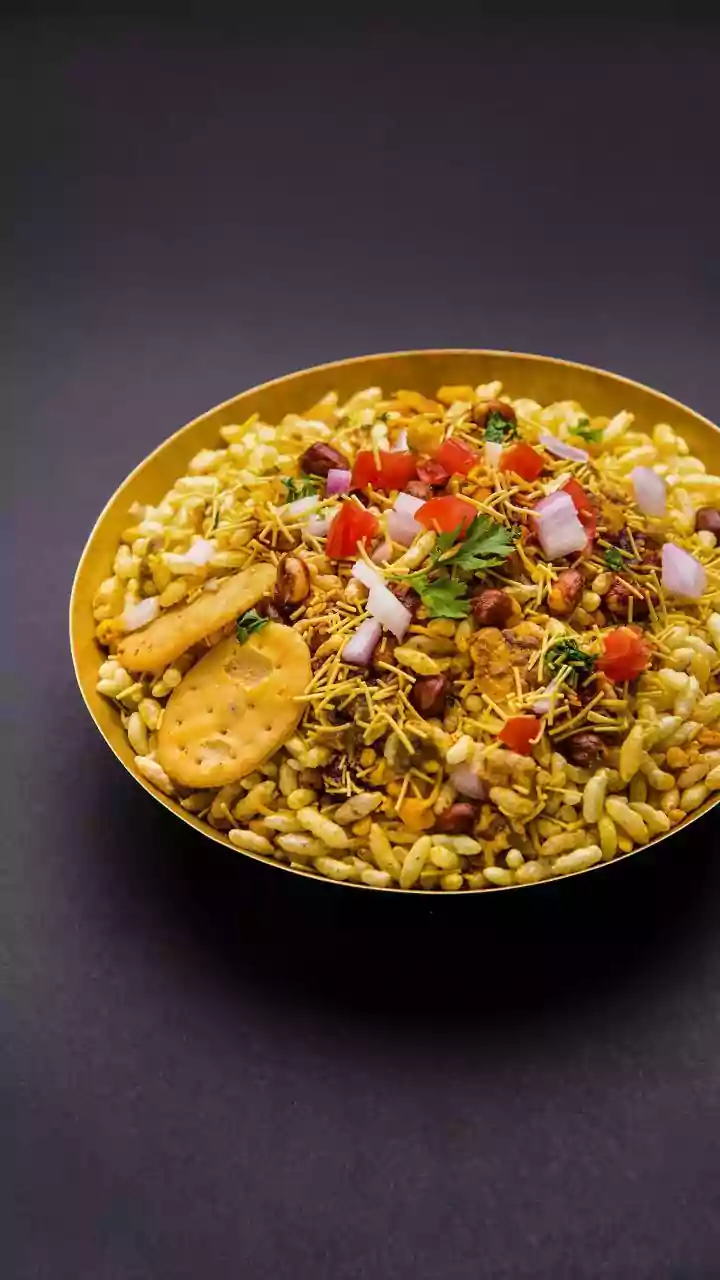
In Maharashtra, Diwali is incomplete without 'Faral', a platter of assorted sweet and savoury snacks prepared and shared among loved ones. This tradition dictates a very specific shopping list. For savouries like the spiral-shaped 'Chakli' and crunchy 'Poha Chivda', households stock up on rice flour, gram flour, and flattened rice. For the sweets, such as the diamond-shaped 'Shankarpali' and the stuffed 'Karanji' (a cousin of the gujiya), the key ingredients are semolina (rava), all-purpose flour (maida), coconut, and jaggery. Similarly, in Gujarat, the focus is on a mix of 'farsan' (snacks) and 'mithai'. Shopping lists feature ingredients for crispy snacks like 'Chorafali' and 'Mathia', alongside gram flour and ghee for the iconic fudge-like sweet, 'Mohanthal'.
South India: A Celebration with Rice and Jaggery
Heading south, the flavour profile shifts. Unlike the milk-heavy sweets of the north, southern Diwali delicacies prominently feature rice flour, jaggery, and coconut. In Tamil Nadu, 'Adhirasam', a deep-fried pancake made from a fermented batter of rice flour and jaggery, is a festive staple that requires careful preparation. Another must-have is the savoury 'Murukku', a crunchy, spiral-shaped snack whose name means 'twisted' in Tamil. The shopping lists here are dominated by specific varieties of raw rice, pure jaggery, urad dal flour, and sesame seeds. The famous 'Mysore Pak', a dense sweet made from gram flour, sugar, and ghee, is also a highlight, ensuring these three ingredients are on every festive shopper's list in Karnataka.
East India: The Reign of Chhena
In eastern states like West Bengal and Odisha, Diwali often coincides with Kali Puja. The sweets here are legendary for their use of 'chhena', or fresh curdled-milk cheese. Bengali households prepare or purchase iconic sweets like 'Sandesh' and 'Rasgulla'. This means fresh milk is a priority item on the shopping list, as the quality of the chhena is paramount. Other festive favourites include 'Narkel Naru', which are coconut laddoos made with either sugar or jaggery, and various types of 'pitha' (rice cakes), ensuring rice flour and coconut are also essential purchases.
The Modern Festive Basket
While traditions remain strong, the modern Diwali shopping list reflects a blend of custom and convenience. The rise of quick-commerce platforms has transformed festive preparations, with a significant increase in last-minute orders for missing ingredients like ghee, sugar, or flour. Many families, pressed for time, now opt for ready-made sweets or semi-prepared ingredients like pre-mixed flours for chakli or instant gulab jamun mixes. This has led to a dual market where traditional raw ingredients are sold alongside beautifully packaged, ready-to-eat versions of the same regional delicacies, catering to every type of festive household.