



The Golden Rule: Inspect Immediately
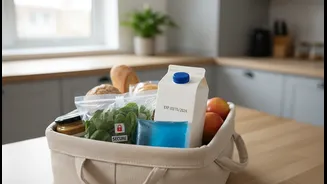
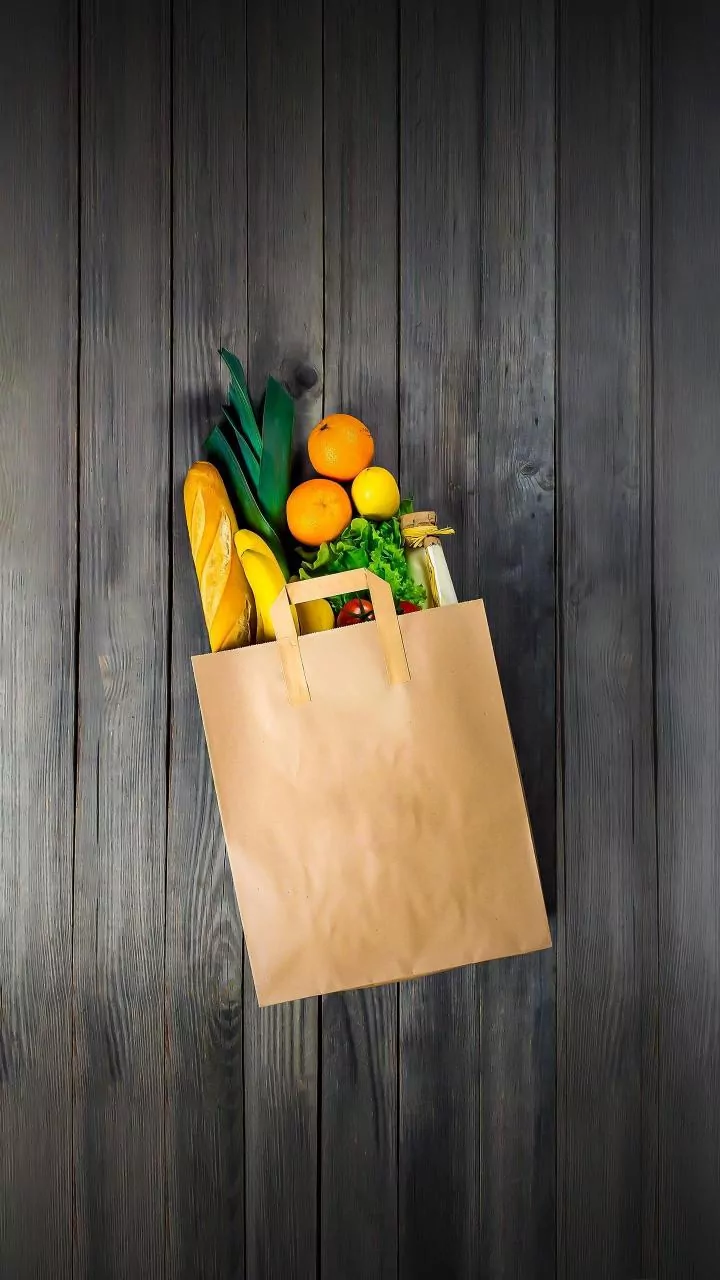
The convenience of 10-minute delivery is a modern marvel, but the journey from a warehouse or 'dark store' to your doorstep is fraught with peril for perishable goods. Temperature fluctuations are the enemy of freshness. The critical window for food safety
is the moment the delivery person hands you the bag. Letting a grocery order sit unattended, even for a short while, can compromise the cold chain—the uninterrupted series of refrigerated production, storage, and distribution activities. Especially in India's warm climate, bacteria can multiply rapidly. A quick check isn't just about spotting a bruised tomato; it's a vital health and safety measure. Get into the habit of unbagging and inspecting temperature-sensitive items before anything else.
The Milk Check: More Than Just the Expiry Date
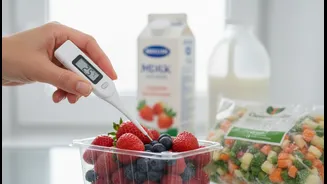
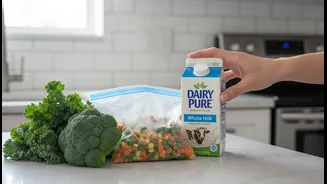
For milk and dairy products, the stakes are high. While checking the 'Use By' or expiry date is the first step, it doesn't tell the whole story. An item can spoil before its date if handled improperly. When your milk arrives, feel the container. It should be cool to the touch. Any warmth is a major red flag that it has been sitting outside a refrigerator for too long. Look at the packaging itself. A puffy or bloated milk pouch or carton can indicate bacterial growth, which produces gas. Before putting it away, give it a quick sniff; fresh milk has a neutral or slightly sweet smell, whereas spoiled milk will have a distinct sour or unpleasant odour. If you notice any of these signs, don't consume it. Reputable delivery platforms should be notified immediately for a replacement or refund.
Decoding Frozen Foods: Beyond a Bit of Frost
Frozen foods are meant to last, but only if they stay consistently frozen. A common sign of trouble is freezer burn, which appears as grayish-brown, leathery spots or an abundance of ice crystals inside the packaging. While food with freezer burn might be safe to eat, it will have a compromised taste and texture due to moisture loss. A more serious issue is evidence of thawing and refreezing. If your frozen peas are fused into a solid block instead of being loose, or if there's a pool of frozen liquid at the bottom of the bag, it means the product thawed at some point. This break in the cold chain can allow harmful bacteria to grow. After thawing, if a product feels slimy or sticky, or has a rancid odour, it's best to discard it.
Vetting Your Vegetables: A Sensory Inspection
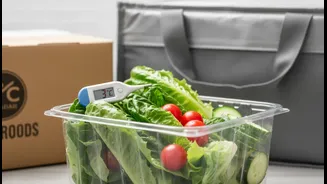
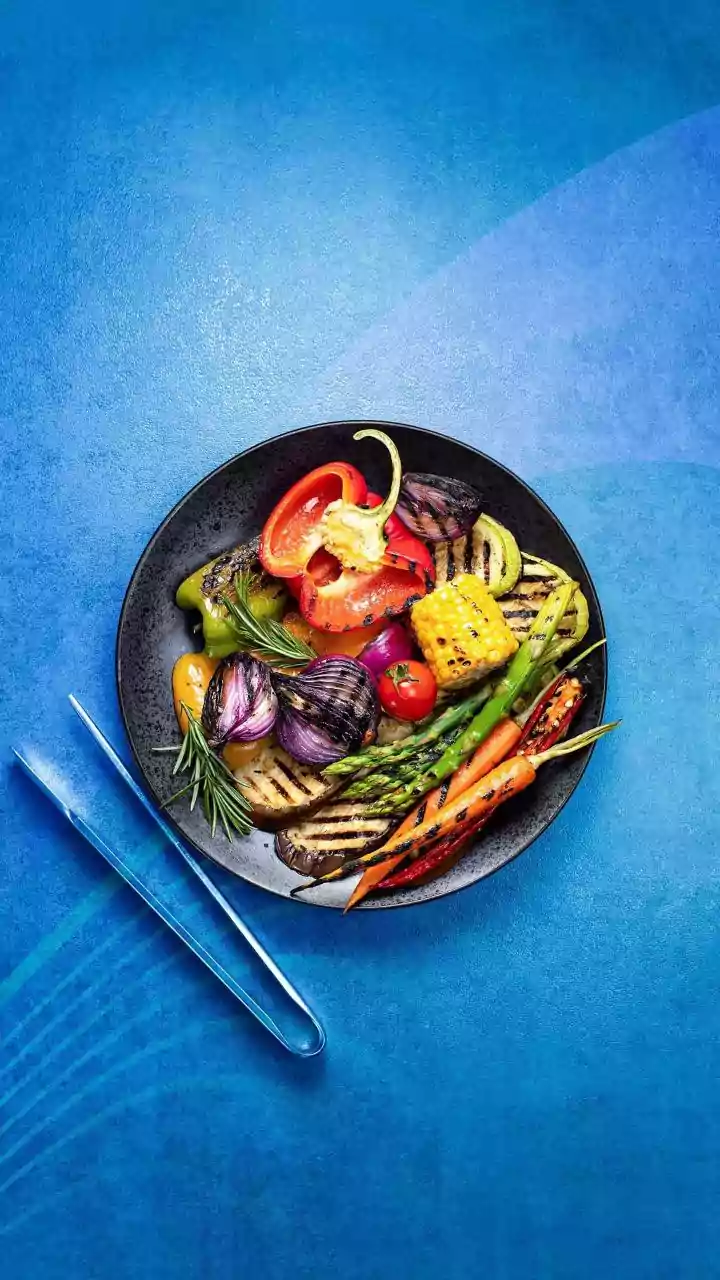
Unlike packaged goods, vegetables don't come with an expiry date. Your senses are the best tools here. For leafy greens like spinach or coriander, look for vibrant colour and crisp leaves. Avoid anything that is wilted, yellowing, or slimy. Root vegetables such as carrots and potatoes should be firm to the touch, not soft or spongy. With vegetables like tomatoes, cucumbers, and bell peppers, check for taut skin, free of deep wrinkles, mould, or significant soft spots. A simple 'snap test' for items like green beans can be effective; a fresh bean will snap cleanly, while an old one will be limp and bendy. Don't be too concerned about minor cosmetic imperfections or a bit of dirt, but widespread wilting or signs of rot are clear indicators of poor quality.
What to Do When It's Not Right
Discovering a spoiled item is disappointing, but acting quickly can resolve the issue. Before you do anything else, document the problem. Take clear photos or a short video of the spoiled or damaged item, making sure any expiry dates are visible. This is your most powerful evidence. Next, use the app's customer support feature immediately. Most platforms have a dedicated section for reporting issues with an order. Upload your photos and provide a clear, concise description of the problem. Recent actions by the Food Safety and Standards Authority of India (FSSAI) have put pressure on e-commerce platforms to improve their grievance redressal processes after numerous complaints about spoiled goods being delivered. If you don't receive a satisfactory response from the platform, you can escalate the complaint to the National Consumer Helpline or report food safety violations directly through the FSSAI's 'Food Safety Connect' app.