





The Monsoon Humidity Trap
The monsoon brings welcome relief from scorching heat, but the high humidity presents a unique challenge for anyone staying active. Normally, your body cools itself when sweat evaporates from your skin. However, when the air is already saturated with
moisture — often reaching 90% humidity or more — your sweat can't evaporate effectively. Your body’s response is to sweat even more in an attempt to cool down, leading to significant fluid and electrolyte loss without providing the same cooling relief. This process tricks you into thinking you might not be thirsty, but you could be steadily becoming dehydrated and depleted of minerals.
Sodium: More Than Just Salt
Sodium is the primary electrolyte lost through sweat and is absolutely critical for athletic performance. It plays a vital role in maintaining fluid balance, nerve function, and muscle contractions. When you engage in an intense indoor workout during a humid monsoon day, these sodium losses can accelerate significantly. Losing too much sodium can lead to symptoms like muscle cramps, fatigue, dizziness, and headaches. While many people are conscious of reducing salt in their diet, active individuals who sweat a lot may actually need to be more mindful of getting enough to support their training demands, as replacing lost fluids with plain water alone can further dilute sodium levels in the body.
Magnesium: The Unsung Hero of Muscle Function
Magnesium is another crucial mineral that often doesn't get enough attention. It's involved in over 300 essential processes in the body, including energy production, muscle relaxation, and maintaining a healthy heart rhythm. Athletes have higher magnesium requirements, and deficiency is surprisingly common. Like sodium, magnesium is lost through sweat, and a tough workout can deplete your stores. Low magnesium levels are a common cause of muscle cramps, weakness, and fatigue — symptoms that can seriously hamper your gym progress. During the monsoon, when your body is already under stress from the humidity, ensuring adequate magnesium intake becomes even more important for recovery and performance.
Recognising the Warning Signs
Your body often sends clear signals when your electrolyte balance is off. Paying attention to these signs can help you prevent a minor issue from becoming a major problem. Common indicators of sodium and magnesium imbalance include persistent muscle cramps or spasms, both during and after your workout. You might also experience unusual fatigue that a good night's sleep can't fix, general weakness, headaches, or a feeling of dizziness. In some cases, you may feel nauseous or have trouble concentrating. If you notice these symptoms regularly after your monsoon workouts, it might be time to evaluate your hydration and mineral intake.
Food First, Supplements Second
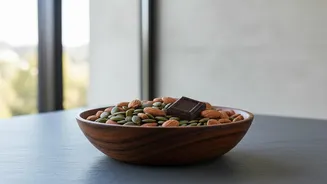
Before reaching for a supplement bottle, the best strategy is to focus on your diet. Many whole foods are excellent sources of these vital minerals. For magnesium, incorporate leafy green vegetables like spinach, nuts such as almonds and cashews, seeds like pumpkin and chia, and legumes like black beans. Bananas and dark chocolate are also good sources. For sodium, the answer isn't processed junk food. Healthy sources include salted nuts, pickles, and consciously adding a bit of quality salt to your home-cooked meals. Many vegetables like beets and celery also contain natural sodium. A balanced, nutrient-dense diet is your first line of defence.
A Smart Approach to Supplementation
If you are engaged in very intense or long-duration workouts (over 90 minutes), supplementation might be necessary. However, it should be a conscious choice, not a guess. Over-supplementing with magnesium can lead to digestive issues and, in very high doses, more serious side effects. Similarly, while active people need more sodium than sedentary individuals, excessive intake is not healthy. For intense sessions, an electrolyte drink containing both sodium and magnesium can be effective. A general guideline for long workouts is to aim for 300-600 mg of sodium per hour, but this varies greatly based on individual sweat rate and the heat. The key is to start with a food-first approach and consider supplements as a tool for specific, high-demand situations.