





The Science of 'Hangry' Driving
We’ve all felt it: that irritable, foggy-headed feeling when you’ve waited too long to eat. Now, imagine that behind the wheel. When your blood sugar drops, your brain's cognitive functions are one of the first things to suffer. This isn't just about
feeling grumpy. Low blood sugar can directly impair your concentration, shorten your attention span, and slow your reaction time. Studies have shown that driving while hungry can make you more irritable and prone to taking risks, like speeding or getting angry at other drivers. In fact, some research has found that driving while dehydrated can lead to as many errors as driving at the legal blood alcohol limit. Your brain needs a steady supply of energy to stay sharp and make good decisions, and on a long drive, a sudden dip can be genuinely dangerous.
The Crash After the Sugar Rush
It’s tempting to reach for a sugary drink or a bag of candy for a quick energy boost. While you’ll get a fast spike in blood sugar, the inevitable crash that follows can be even worse for your focus. Once the initial rush wears off, you can be left feeling more tired and lethargic than before. This is because simple sugars are digested rapidly, leading to a sharp drop in energy that dulls your reflexes. On a monotonous highway, this post-sugar slump is a recipe for highway hypnosis and reduced alertness. Instead of keeping you awake, these snacks set you up for a dangerous cycle of highs and lows, which is the last thing you need when you’re the only one in the car.
What Makes a Snack 'Satiating'?
The key to effective road trip snacking is 'satiety'—the feeling of being full and satisfied. Satiating snacks are digested slowly, providing a steady release of energy that keeps your blood sugar stable. The most effective ones combine two or three key elements: protein, fibre, and healthy fats. Protein is the most filling macronutrient, signaling to your brain that you're full. Fibre slows down digestion and adds bulk, preventing hunger pangs. Healthy fats also contribute to feeling satisfied. Foods like nuts, seeds, Greek yogurt, and whole grains are excellent examples. This combination prevents the energy spikes and crashes associated with sugary or highly processed snacks, giving you sustained fuel for the long haul.
Your On-the-Go Safety Kit
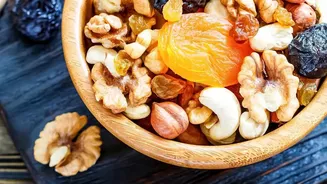
Packing the right snacks doesn't have to be complicated. The goal is to choose items that are easy to eat one-handed, don't create a mess, and are stable at room temperature. For Indian road trips, many traditional options are perfect. Roasted chana (chickpeas) and makhana (fox nuts) are packed with protein and fibre. Nuts like almonds and walnuts, or a simple trail mix of seeds and dried fruit, offer a fantastic mix of nutrients. Khakhra or thepla are dry, easy to handle, and satisfyingly crunchy. For something fresh, bananas and oranges are easy to peel and eat. Boiled eggs or a small container of paneer cubes are great protein sources for shorter trips. And don’t forget the most critical component: water. Dehydration can cause fatigue, headaches, and confusion, all of which are dangerous for a driver.
The Hidden Danger of Distraction
Even with the perfect snack, how you eat matters. Fumbling with a messy packet, trying to dip a chip, or dealing with a spill are all forms of distracted driving. Research shows that the physical act of eating or drinking behind the wheel significantly increases a driver's workload and can be a factor in crashes. Choose snacks that are low-mess and require minimal handling. Single-serve nut packets, protein bars, or prepped fruit are ideal. Anything that requires two hands, takes your eyes off the road, or has the potential to create a spill should be saved for a rest stop. Your snack should reduce your risks, not add a new one.