







Why Your Resume Isn't Enough
For decades, the single-page resume has been the key to unlocking career opportunities. But in a world where skills, projects, and tangible results matter more than ever, a simple list of past job titles and responsibilities feels increasingly outdated.
A resume tells a recruiter what you were *supposed* to do; it rarely shows what you actually *did*. It can't demonstrate your problem-solving process, showcase your creative flair, or provide proof of your technical abilities. In India’s crowded job market, where thousands of similar-looking resumes flood a hiring manager's inbox for a single opening, standing out requires a more dynamic approach. A flat, text-based document simply gets lost in the noise.
The Power of a Project Portfolio
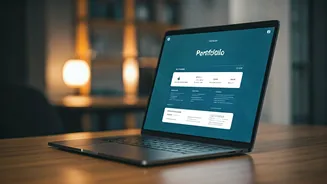
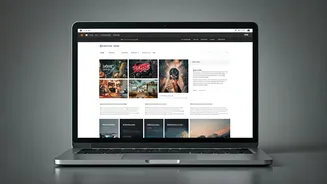
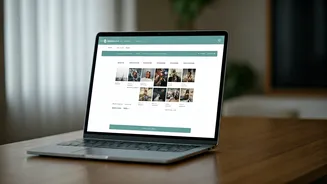
Enter the interactive web-based portfolio. Think of it as a personal museum of your best professional work. It’s a dedicated space where you control the narrative, providing context, visuals, and proof of your accomplishments. A great portfolio doesn't just list skills like 'Project Management' or 'UI/UX Design'; it presents a case study of a project you managed, complete with outcomes, or showcases the beautiful and intuitive interface you designed. For hiring managers, this is gold. Instead of guessing your capabilities based on bullet points, they can see your skills in action. It transforms you from a list of qualifications into a living, breathing professional with a story to tell.
Anatomy of a Killer Portfolio
A compelling portfolio is more than just a gallery of work. It needs structure and strategy. Here are the essential components: 1. **A Compelling Bio:** Start with a short, powerful introduction. Who are you, what do you do, and what are you passionate about? This is your professional elevator pitch. 2. **Curated Project Showcases:** This is the heart of your portfolio. Select 3-5 of your best projects. Don't overwhelm visitors; choose quality over quantity. Each project should be a mini-story. 3. **Detailed Case Studies:** For each project, explain the 'why' and 'how'. Describe the problem or goal (Situation), your specific role and responsibilities (Task), the steps you took (Action), and the measurable outcome (Result). Use visuals like screenshots, videos, or design mockups. 4. **Skills & Tools Section:** List your key competencies and the technologies or software you're proficient in. This helps with keyword optimization for recruiters searching for specific skills. 5. **Testimonials & Recommendations:** Social proof is powerful. If you have positive feedback from clients, managers, or colleagues, feature it prominently. 6. **Clear Call to Action & Contact Info:** Make it incredibly easy for a potential employer to get in touch. Include your email, a link to your LinkedIn profile, and a simple contact form.
Choosing the Right Platform
You don't need to be a web developer to create a stunning portfolio. There are countless platforms available to suit every profession and skill level: * **For Creatives (Designers, Artists, Photographers):** Platforms like Behance and Dribbble are industry standards. They are community-driven and offer excellent visibility. * **For Developers & Coders:** A well-maintained GitHub profile is a de-facto portfolio. You can use GitHub Pages to create a simple, elegant site showcasing your best repositories and projects. * **For Writers, Marketers & Strategists:** Platforms like Journo Portfolio or even a well-structured Medium profile can work well. The key is to showcase your writing samples, campaign results, or strategic documents in a clean, readable format. * **For Everyone (The No-Code Option):** Website builders like Wix, Squarespace, or Carrd offer user-friendly, drag-and-drop interfaces with beautiful templates. You can have a professional-looking portfolio live in just a few hours.
Integrate, Don't Isolate
An online portfolio isn't meant to completely replace your resume—at least not yet. Many companies still use Applicant Tracking Systems (ATS) that require a traditional resume format. The smart strategy is to make them work together. Add a clear, bold link to your portfolio at the top of your resume, right under your name and contact information. Include it in your LinkedIn 'Featured' section, your email signature, and your Twitter bio. Think of your resume as the key that gets you through the initial door, and your portfolio as the grand tour that convinces them to make you an offer.