






The Warmth of Spice: Cardamom, Cinnamon & Clove
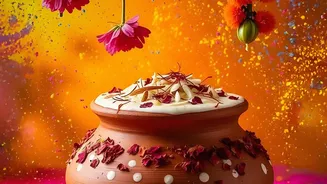
Western autumn is synonymous with warm spices, evoking images of pumpkin spice lattes and freshly baked apple pie. These same notes are the heart and soul of the Indian festive kitchen. The sweet, aromatic scent of cardamom (elaichi) rising from a pot
of kheer, the warmth of cinnamon in a cup of masala chai, and the sharp fragrance of clove in a biryani are all quintessentially festive. Perfumes featuring these spicy notes wrap you in a comforting, nostalgic embrace that feels just like home during Diwali. They don't just mimic the scents of our celebrations; they elevate them, creating a seamless bridge between personal fragrance and the surrounding festive air.
Sacred Woods: Sandalwood & Oud
Sandalwood, or 'chandan', is a scent deeply woven into India's spiritual fabric. Its creamy, soft, and milky-woody aroma is a constant presence in temples and homes during pujas, used in everything from incense sticks to dhoop cones. Coincidentally, sandalwood is also a prized base note in autumn perfumery, cherished for its grounding and calming properties that provide a sense of warmth in cooler weather. Similarly, Oud (agarwood), a classic note for grand celebrations like Eid and Diwali, brings a deep, smoky, and luxurious character. This shared love for rich, sacred woods means that many popular autumn fragrances feel instantly familiar and appropriate for festive gatherings, adding a touch of sophisticated tradition to your presence.
Gourmand Indulgence: Vanilla, Caramel & Tonka Bean
Gourmand fragrances—those with edible, dessert-like notes—are a massive trend in autumn perfumery. Think of scents reminiscent of vanilla, caramel, coffee, and honey, all designed to evoke feelings of indulgence and comfort. This trend aligns beautifully with the Indian festive season, which is a celebration of mithai. The air in an Indian home during Diwali is thick with the scent of laddoos, barfis, and other sweets being prepared. A perfume with notes of vanilla, creamy tonka bean, or sweet praline doesn't compete with these smells; it complements them. It’s like adding another layer of sweetness to the festivities, a personal scent that mirrors the joy and indulgence of the occasion.
Earthy Florals: Marigold, Jasmine & Rose
While Western autumn fragrances often lean away from fresh florals, they embrace 'florientals'—floral scents with warm, woody, or spicy bases. This is where they meet the Indian festive floral palette. Marigold (genda) and jasmine (mogra) are indispensable during festivals, used in garlands and decorations, their fragrance filling the air with a mix of fresh, green, and sweet floral notes. Rose, another festive staple, symbolizes love and celebration. Many sophisticated autumn perfumes blend these classic florals with base notes like amber, musk, or sandalwood, creating a scent profile that feels both festive and seasonally appropriate. This gives a modern twist to traditional floral scents, making them perfect for evening celebrations.
A Hint of Smoke: Incense, Myrrh & Saffron
The scent of smoke is another key element of the autumn atmosphere, often associated with crackling fires and burning leaves. In India, this smoky quality is tied to spirituality and celebration—the fragrant smoke from agarbattis and dhoop, the burning of guggul and loban to purify the air, and even the nostalgic smell of diyas and sparklers. Many autumn perfumes capture this feeling with notes of incense, myrrh, and rich tobacco. Furthermore, saffron, the world’s most precious spice, provides a warm, leathery, and slightly honeyed note that is both a luxury ingredient in perfumery and a cornerstone of festive Indian cuisine and rituals. These fragrances carry an air of mystery and reverence, making them a perfect, complex backdrop for Diwali nights.