




Kaif’s Core Argument
Following India’s drawn second Test against Sri Lanka in Colombo, former player Mohammed Kaif claimed the result would have been different with Virat Kohli on the field. India, needing just four wickets on the final day to secure a 2-0 series sweep, were
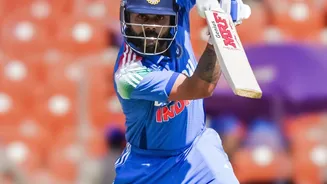
thwarted by a marathon batting effort from the hosts. Kaif argued that India's energy levels dropped and the team became too passive, waiting for the turning pitch to deliver wickets on its own. He believes Kohli’s trademark intensity would have prevented this complacency. "I felt that if someone like Virat Kohli had been playing this match, he would have been constantly shouting and keeping his team switched on," Kaif stated. His point was less about tactics and more about the psychological edge and relentless drive Kohli brings.
The Colombo Conundrum
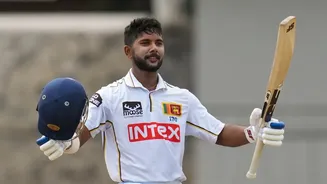
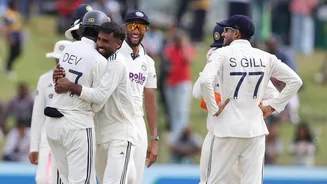
To understand Kaif's point, one must look at the context of the Colombo Test. India was in a dominant position, having enforced the follow-on after posting a massive first-innings total. Sri Lanka started the final day six wickets down, but an incredible unbeaten century from Sonal Dinusha saved the match for them. The Indian attack, which had looked potent, couldn't break the lower-order resistance. Kaif suggested that Kohli would have manufactured pressure, getting into the batsman's head and urging his own players on. He noted that the Indian players were seen getting into confrontations with a tail-ender, rather than targeting the main obstacle, Dinusha. Kaif feels Kohli would have directed the aggression where it mattered most, potentially unsettling the set batsman and altering the course of the game.
More Than Just Runs
The debate around Kohli's absence has never been solely about the runs he scored, though his record is formidable. It's about his on-field persona and the culture he instilled. Under his captaincy, India became one of the world's best travelling teams, built on a foundation of supreme fitness and an aggressive, fast-bowling-centric approach. That intensity is contagious. As former fielding coach R Sridhar has noted, Kohli’s energy in the field has a ripple effect, pushing teammates to raise their own standards. He leads by example, whether by his commitment in practice sessions or his willingness to patrol the boundary in the final overs of a long day. This is the intangible quality that Kaif suggests was missing as the final day in Colombo meandered towards a draw.
A Legacy of Intensity
Virat Kohli captained India to 40 Test victories, making him the nation's most successful leader in the format by a clear margin. He transformed the team’s mindset, especially in overseas conditions where they historically struggled. The famous series win in Australia under Ajinkya Rahane's captaincy was played by a team largely built in Kohli's image. While his retirement in May 2025 came after a dip in form, his impact on revolutionising India's approach to Test cricket is undeniable. He demanded high standards, and for seven years, his team largely met them. The void he left is not just that of a world-class batsman, but of a galvanizing force who embodied the fighting spirit of Test cricket.
A Void Not Easily Filled
While the team must eventually move on and cultivate new leaders, the draw in Colombo highlighted how difficult that transition can be. The missed opportunity not only denied India a clean sweep but also put a dent in their World Test Championship final qualification hopes, leaving them with very little room for error in upcoming series. In high-pressure moments where a match hangs in the balance, a commanding personality can be the difference-maker. The current generation of players is immensely talented, but stepping out of the shadow of a player like Kohli is a monumental task. The team is still searching for a figure who can consistently provide that same level of on-field intensity and psychological pressure.