
A New Pickle on the Block
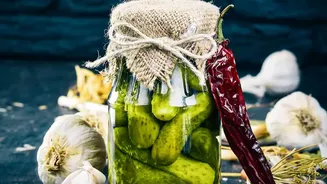
Walk into a health-conscious urban home today, and you might find something familiar yet different in their pantry: jars of pickled vegetables vibrant with colour, but missing the characteristic layer of oil. This is the world of lacto-fermentation, an oil-free
pickling method that is gaining rapid popularity. Instead of being submerged in mustard or sesame oil, vegetables like carrots, beets, and cauliflower are preserved in a simple salt-and-water brine. The result is a pickle with a distinctly tangy, complex flavour and a crisp texture, a world away from the soft, spice-laden pickles many of us grew up with.
The Simple Science of Sour
So, how do these pickles stay preserved without oil? The magic lies in lactic acid fermentation. The process uses naturally occurring, beneficial bacteria, primarily of the Lactobacillus genus, which are present on the surface of all vegetables. When submerged in a salt-water brine, this anaerobic (oxygen-free) environment allows these good bacteria to thrive while keeping harmful spoilage microbes at bay. These bacteria then get to work, converting the natural sugars in the vegetables into lactic acid. This acid is a natural preservative that not only protects the food but also gives it that characteristic sour taste. It's the same ancient process responsible for foods like yogurt and sourdough bread.
Oil vs. Brine: A Tale of Two Pickles
Traditional Indian pickling heavily relies on oil, salt, and sun-drying. In this method, oil is not just for flavour; it acts as a crucial barrier, sealing the pickle from contact with air and preventing the growth of mould and bacteria. Salt plays a key role by drawing out moisture from the vegetables. While incredibly effective and delicious, this method can result in a heavy, high-fat condiment. Lacto-fermentation, on the other hand, uses the brine itself and the resulting lactic acid to do the preservation work. The salt in the brine draws water out of the vegetables, creating a concentrated salty solution where beneficial bacteria flourish, eventually producing enough acid to pickle the contents. This eliminates the need for any oil, making it a lighter alternative.
More Than Just a Condiment
The biggest driver behind this trend is the significant health benefit: probiotics. Lacto-fermented pickles are teeming with live, beneficial bacteria that are fantastic for gut health. A healthy gut microbiome is linked to improved digestion, a stronger immune system, and even better mental well-being. Unlike pickles made with vinegar, which is acidic enough to kill all bacteria (good and bad), or oil-based pickles that don't foster probiotic growth, lacto-fermented foods actively contribute to your gut flora. Furthermore, since the process is heat-free, it preserves the natural vitamins and antioxidants in the vegetables, such as Vitamin C and K.
The Urban Pantry Revival
This return to fermentation is thriving in India's cities, fuelled by a global wellness movement and increased awareness about gut health. For urban Indians, it represents a perfect blend of tradition and modern science—harnessing an age-old preservation technique for its scientifically-backed health benefits. The DIY culture flourishing online provides endless recipes and guidance, empowering home cooks to experiment. It's a way of reconnecting with food, understanding where it comes from, and taking control of one’s health. While fermentation has always been a part of Indian cuisine through staples like idli and dahi, this conscious application to pickling marks a new chapter in the modern Indian kitchen.