





Decode the Official Weather Alerts
Before you even step out, your first check should be the latest alerts from the India Meteorological Department (IMD). The IMD uses a simple colour-coded system to warn the public. A 'Green' alert means all is well, while a 'Yellow' alert advises you to 'Be
Aware', suggesting minor disruptions are possible. If you see an 'Orange' alert, it's time to 'Be Prepared' for significant disruptions like waterlogging and traffic snarls. A 'Red' alert is the most critical, meaning 'Take Action'. This is a signal of a severe weather event with a significant threat to life and property, where all non-essential travel should be avoided.
Visually Assess Your Route and Surroundings
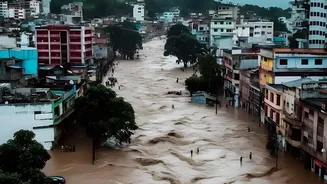
Official warnings are crucial, but the situation on the ground can change rapidly. Waterlogging is the most common monsoon hazard. A key rule is to never drive or walk through water if you cannot judge its depth. Submerged potholes and open manholes become invisible traps that can cause serious accidents or vehicle damage. If the water level is above the centre of your car's wheels, it is best to avoid the road entirely. Also, look out for downed electrical wires, which can electrify standing water, and avoid parking your vehicle under trees or old structures that could collapse.
Consider Your Mode of Transport
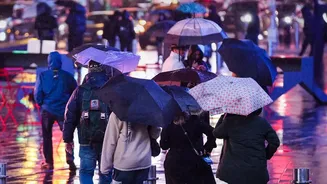
Your decision to travel may also depend on how you commute. Two-wheeler riders are most exposed and should be especially cautious on slippery roads with reduced visibility. For car owners, ensure your wipers, brakes, and tyres are in excellent condition. Driving slowly, keeping a safe distance from the vehicle ahead, and avoiding sudden braking are critical practices. For those relying on public transport, check for real-time updates. While elevated metro systems are often the most reliable option during heavy rains, suburban trains and buses can face significant delays or suspensions due to flooded tracks and roads.
When Delaying Is Non-Negotiable
Some situations are clear indicators that staying put is the only safe option. If authorities issue a specific stay-at-home advisory, heed it. Reports of landslides or rockfalls on your route, especially in hilly or ghat areas, mean the journey is too risky. Widespread power outages can knock out traffic signals and other essential services, creating chaos. If you live in a low-lying area prone to severe flooding and the rain is relentless, it is safer to remain at home than risk getting stranded. Remember, your safety is more important than punctuality.
If You Absolutely Must Travel
Sometimes, a journey is unavoidable. In such cases, preparation is key. Inform your family or friends of your route and estimated time of arrival. Pack a small emergency kit containing a waterproof pouch for your phone and wallet, a power bank, a flashlight, some dry snacks, and a bottle of water. Dress in quick-drying fabrics and wear footwear with a good grip to avoid slipping on wet surfaces. If driving, ensure your vehicle has enough fuel. Leave much earlier than you normally would to account for inevitable delays.