

Understanding Reversible Design
Living in a rented space doesn’t mean you have to live with bland, impersonal interiors. Reversible design is a creative approach to decorating that focuses on temporary, non-damaging modifications. The core principle is simple: every change you make
can be easily undone when it's time to move out, leaving the property exactly as you found it. This strategy empowers renters to inject their personality into their homes without the risk of violating a lease agreement or forfeiting a security deposit. It’s about making smart, high-impact choices that are as easy to remove as they are to install, from peel-and-stick wallpapers to freestanding furniture that defines a room.
Revamp Walls Without a Single Nail
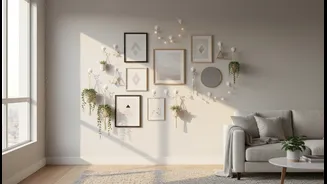
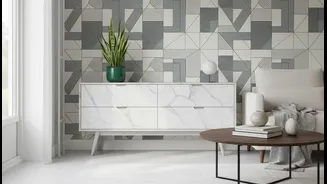
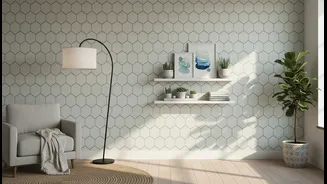
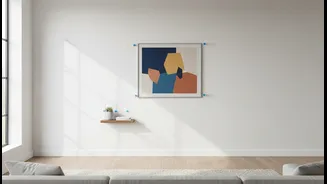
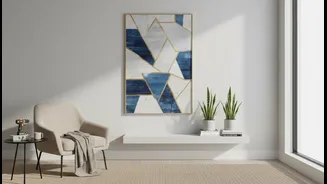
Blank walls are a renter’s biggest canvas and challenge. Fortunately, paint and nails are no longer the only options. Removable peel-and-stick wallpaper has become a game-changer, available in countless patterns and textures that can create a stunning accent wall in an afternoon. For a less involved approach, vinyl decals offer a playful way to add graphic elements. If you want to hang art, ditch the drill and embrace damage-free adhesive hooks and strips. These are designed to hold everything from lightweight prints to heavier framed mirrors securely and then remove cleanly. Another stylish, no-holes approach is to lean large pieces of art or mirrors against the wall for a relaxed, contemporary feel.
The Magic of Textiles and Rugs
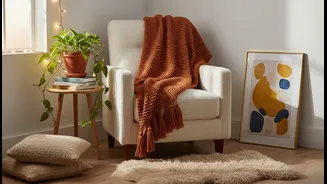
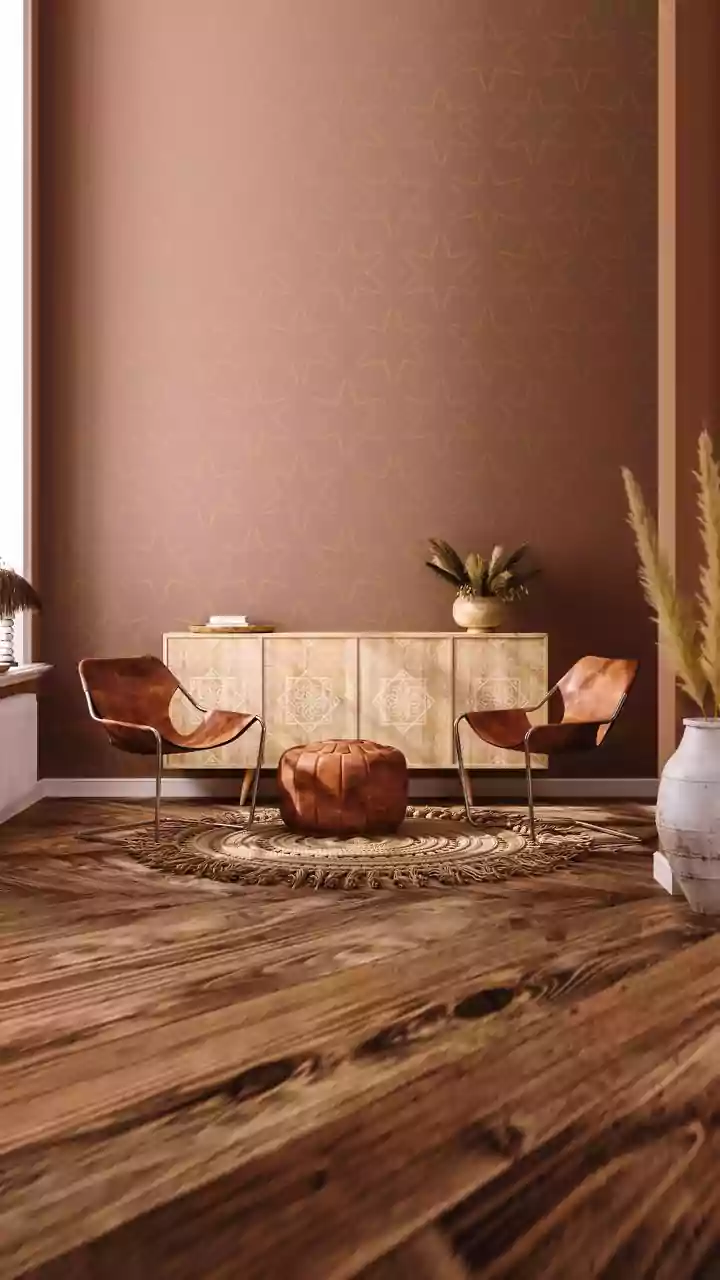
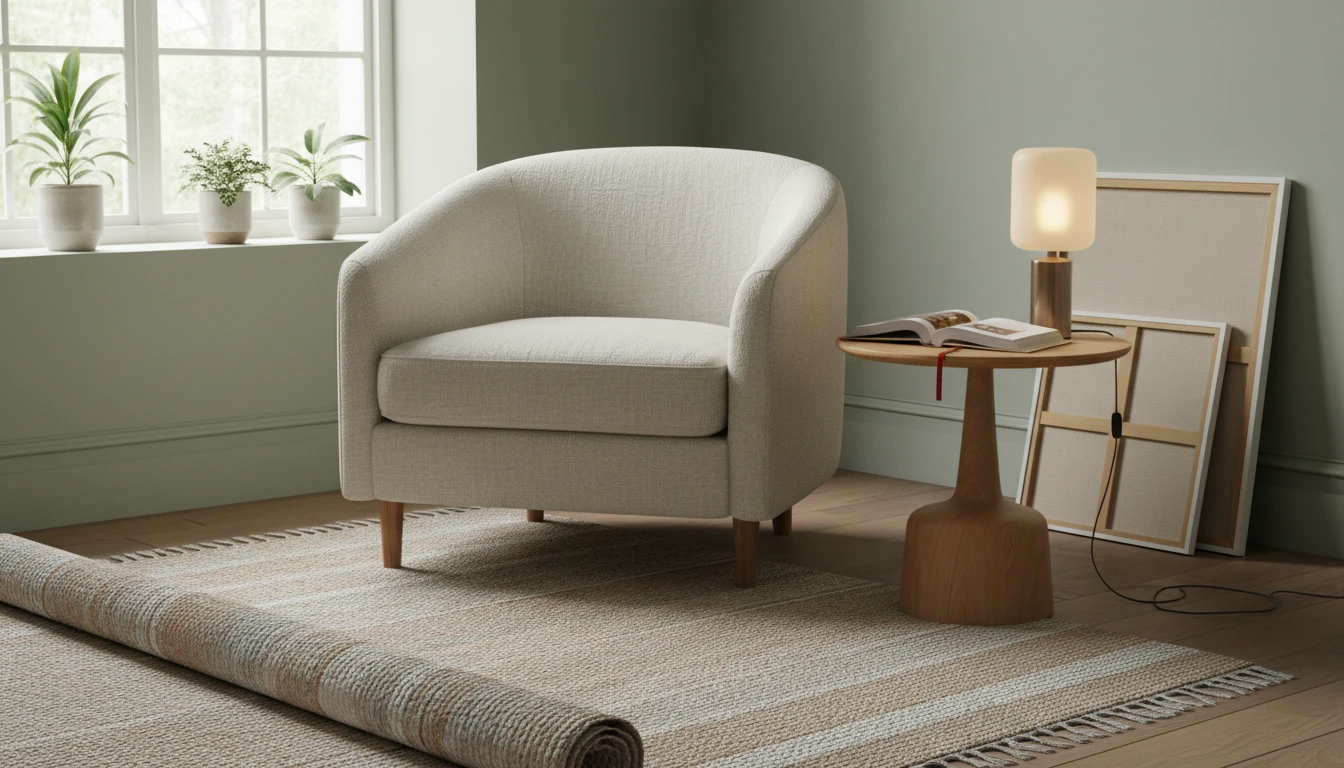
Never underestimate the power of fabric to transform a space. In India, with our rich history of textiles, this is an especially potent tool. Use large, vibrant tapestries or hand-block printed fabrics as wall art for an instant focal point. If the flooring isn't to your taste, a large area rug can completely change the look and feel of a room, covering worn tiles and adding warmth. Layering rugs of different textures can add depth and define zones in an open-plan living area. Similarly, swapping out cushion covers with colourful Phulkari or Kalamkari prints, or changing your curtains seasonally, provides a high-impact, low-commitment refresh.
Smart, Damage-Free Upgrades
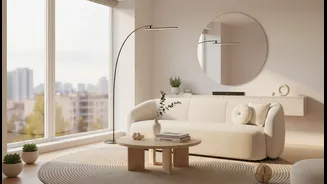
Small changes can have a surprisingly large impact. Consider swapping out basic cabinet handles or knobs in the kitchen and bathroom for more stylish ones; just remember to keep the originals to reinstall before you leave. Dated kitchen or bathroom tiles can be given a modern facelift with peel-and-stick tile decals that are designed to withstand moisture and heat. Even lighting, which often feels fixed, can be dramatically improved without an electrician. Instead of relying on harsh overhead fixtures, use a combination of floor lamps, table lamps, and strategically placed string lights to create a warm, layered, and inviting ambiance.
Furniture That Works Harder
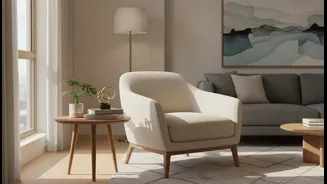
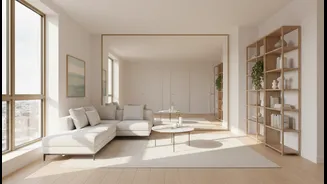
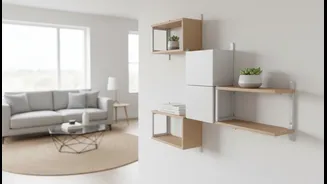
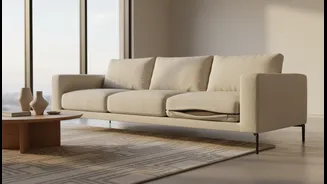
Instead of built-ins, focus on freestanding furniture that does double duty. A tall, open bookshelf can act as a room divider, creating a distinct home office nook in your living room. A stylish bar cart can serve as mobile storage for drinks, books, or even a plant collection. Modular shelving units are particularly useful as they can be configured to fit different spaces and move with you to your next home. By choosing furniture that is both functional and beautiful, you reduce the need to make permanent changes to the walls or layout of your rental home. The furniture itself becomes a key part of your design expression.