





Why Eating Seasonal Matters During Monsoon
Shravan coincides with the peak of the monsoon season in India. According to Ayurveda, our digestive system can be weaker during this time. Eating heavy, oily, or out-of-season foods can be taxing on the body. Seasonal produce, however, is not only fresher,
tastier, and more affordable, but it is also packed with the specific nutrients our bodies need to combat the humidity and ward off seasonal illnesses. A diet rich in seasonal fruits and vegetables helps boost immunity, improves digestion, and keeps energy levels stable throughout this spiritually significant month. Most Shravan diets avoid onion, garlic, and heavy spices, making the natural flavours of fresh produce the star of every meal.
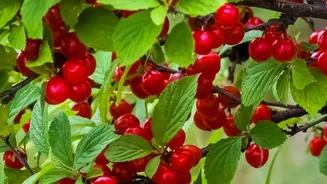
Jamun (Indian Blackberry)
The deep purple Jamun is a quintessential monsoon fruit. Its arrival signals that the rains are here to stay. With a unique sweet and tart flavour, Jamun is more than just a seasonal treat. It is low in calories and rich in iron, potassium, and vitamins. Traditionally, it is highly recommended for managing blood sugar levels. Its high fibre content also aids in digestion, a welcome benefit during the monsoon. You can enjoy Jamun fresh with a sprinkle of rock salt (sendha namak), which is permitted during Shravan fasts, or blend it into a refreshing, unsweetened juice.
Pears (Nashpati)
Crisp and juicy, pears are one of the best fruits to enjoy during the rainy season. They are nutrient-dense, offering a good dose of fibre and immunity-boosting vitamin C with very few calories. This is crucial during monsoon when the risk of infections is higher. Pears are incredibly versatile; they can be eaten raw as a snack to keep you full or can be stewed with a bit of cinnamon and cloves (both allowed in Shravan fasting) for a warm, comforting dessert that is easy on the stomach.
Peaches and Plums (Aadu and Aloo Bukhara)
The monsoon brings a fresh crop of stone fruits like peaches and plums. These vibrant fruits add a splash of colour and flavour to the Shravan diet. Both are excellent sources of antioxidants and vitamins. Plums, in particular, are known for their digestive benefits. Peaches provide Vitamin C, which helps in strengthening your body's defense system. Enjoy them as a simple, whole fruit to satisfy sweet cravings in a healthy, sattvic way.
Bottle Gourd (Lauki)
Lauki is a cornerstone of the Shravan diet for good reason. It is incredibly light, hydrating, and easy to digest, making it an ideal vegetable for fasting days. Composed of over 90% water, it helps keep you hydrated and cool. Lauki is also extremely versatile in a Shravan kitchen, where onions and garlic are avoided. It can be made into a simple sabzi with cumin and rock salt, blended into a soup, or even grated to make a delicious and permissible halwa for a festive treat.
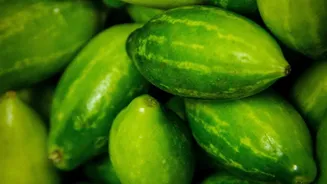
Pointed Gourd (Parwal)
Often overlooked, Parwal is a nutritional powerhouse that thrives during the monsoon. It is packed with fibre, Vitamin A, and Vitamin C, which are beneficial for digestion and skin health. Its texture holds up well in simple curries, making it a satisfying addition to a Shravan meal. A quick stir-fry of Parwal with potatoes (also allowed) and a tempering of cumin seeds creates a simple yet wholesome dish that aligns perfectly with fasting principles.
Sweet Potato (Ratali)
Sweet potato, or Ratali, is an essential food for Shravan fasting. It is filling, naturally sweet, and provides sustained energy. Rich in fibre, vitamins, and minerals, it is a much healthier alternative to regular potatoes for those seeking nourishment during a fast. The simplest and most traditional way to eat it is boiled or roasted, served with a sprinkle of rock salt and a squeeze of lemon juice. This preparation is not only compliant with vrat rules but also incredibly delicious and comforting.