



The Pioneers: 1930 – 1938
The very first FIFA World Cup in 1930 was won by host nation Uruguay, led by Alberto Suppici. At just 31 years old, he remains the youngest coach to ever win the tournament, setting a high bar from the very beginning. Following him was the legendary Vittorio
Pozzo, who holds a record that still stands today. He is the only manager to win the World Cup twice, leading Italy to back-to-back victories in 1934 and 1938. Pozzo built a formidable team known for its tactical discipline and defensive strength, establishing Italy as a global football powerhouse.
Post-War Victors: 1950 – 1962
After the tournament's hiatus, Uruguay returned to glory in 1950 under Juan López Fontana. They achieved one of football's greatest upsets by defeating Brazil in the final match at the Maracanã, an event famously dubbed the 'Maracanazo'. In 1954, Sepp Herberger coached West Germany to a stunning victory over Hungary's 'Magnificent Magyars' in the "Miracle of Bern". This was followed by Brazil's first two titles. Vicente Feola managed the 1958 squad that introduced a 17-year-old Pelé to the world. Four years later, Aymoré Moreira guided the team to a second consecutive trophy in 1962, cementing Brazil's status in world football.
European Dominance and Brazilian Flair: 1966 – 1978
England won its first and only World Cup in 1966 on home soil, managed by the astute Alf Ramsey. Ramsey's tactical innovation with his 'Wingless Wonders' was crucial to their success. In 1970, Mário Zagallo led what many consider to be the greatest team in history, as Brazil captured its third title with breathtaking attacking football. West Germany's Helmut Schön followed in 1974, managing a team that included the legendary Franz Beckenbauer as a player. The host nation prevailed again in 1978, with César Luis Menotti steering Argentina to their first-ever World Cup victory.
The Modern Greats: 1982 – 1998
Enzo Bearzot’s Italy triumphed in 1982, with striker Paolo Rossi's heroics leading the charge. Argentina secured its second title in 1986 under Carlos Bilardo, who built a team to maximise the genius of Diego Maradona. In 1990, Franz Beckenbauer became the second person to win the World Cup as both a player and a manager, leading West Germany to victory. Brazil’s Carlos Alberto Parreira won in 1994, followed by Aimé Jacquet, who guided a multicultural French team to its first title on home soil in 1998.
The 21st Century Tacticians: 2002 – 2022
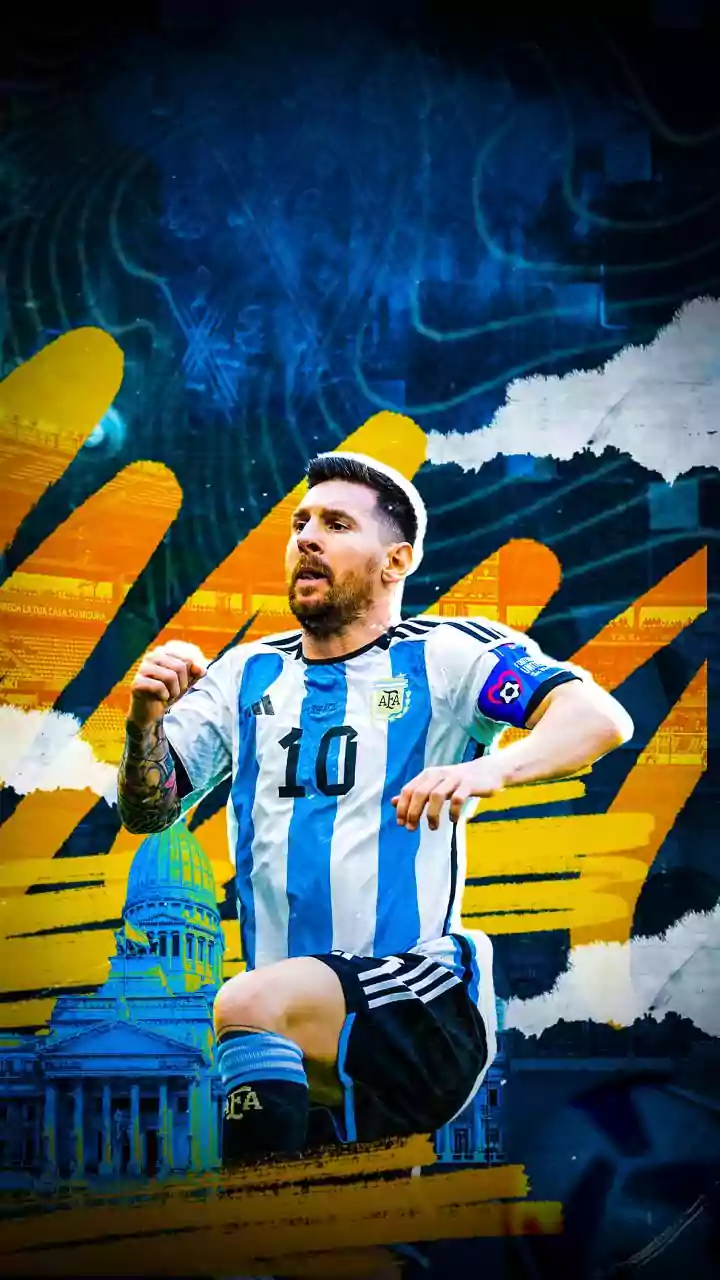
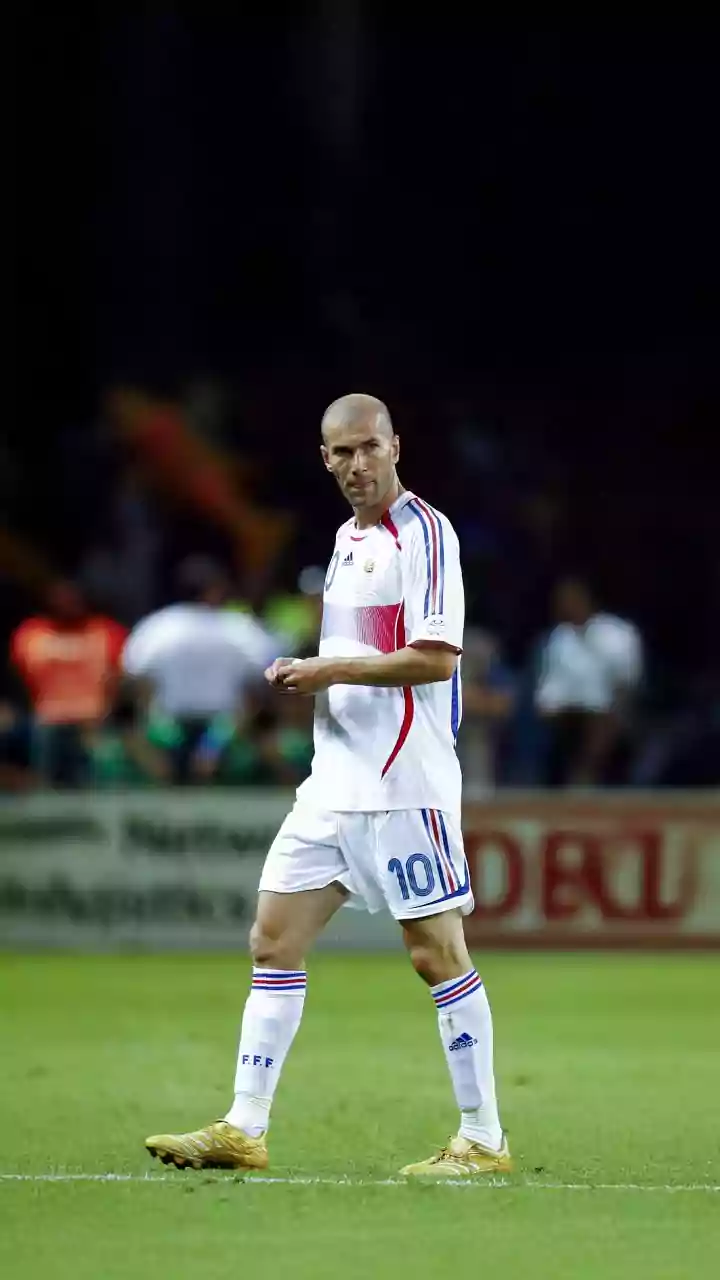
Brazil's Luiz Felipe Scolari started the new millennium with a victory in 2002, their record fifth title. In 2006, Marcello Lippi's resilient Italian side won the final on penalties against France. Spain’s golden generation, managed by Vicente del Bosque, captured their first-ever World Cup in 2010 with their iconic 'tiki-taka' style. Joachim Löw led Germany to glory in 2014, while Didier Deschamps became the third man to win as a player and coach, leading France to victory in 2018. The most recent winner is Argentina's Lionel Scaloni, who in 2022 masterminded a campaign that culminated in Lionel Messi lifting the one trophy that had eluded him.