





The Slow Decline of Sugar
For decades, the beverage market was a sea of colas and sugary fruit drinks. Today, that tide is turning. Indian consumers are becoming increasingly health-conscious, a shift accelerated by rising lifestyle diseases and greater access to information.
[12, 17, 24] This awareness is directly impacting purchasing habits, with shoppers actively reading labels and rejecting drinks high in sugar and artificial ingredients. [2] In fact, while sales of traditional added-sugar fruit juices have declined, the market for no-added-sugar variants is growing rapidly. [22] This isn't just a niche trend; it's a structural change. Major beverage companies have reported that their low and no-sugar drink portfolios now account for a significant portion of their total sales, reflecting a clear and decisive move away from sugar-laden options. [22, 24]
A Thirst for Wellness
The modern consumer isn't just avoiding the 'bad'; they are actively seeking the 'good'. This has fueled the explosive growth of functional beverages—drinks designed to deliver specific health benefits beyond simple hydration. [10, 15] The Indian functional beverage market is witnessing robust growth, with some estimates projecting it to reach USD 18.8 billion by 2034. [2, 11] Consumers now want their drinks to work for them, whether it's by boosting immunity, improving gut health, reducing stress, or enhancing focus. [2, 5, 18] This has created a demand for ingredients like probiotics for digestive wellness, and traditional Ayurvedic herbs like ashwagandha and tulsi, which are being incorporated into convenient, ready-to-drink formats. [2, 11]
Meet the New Beverage Aisle
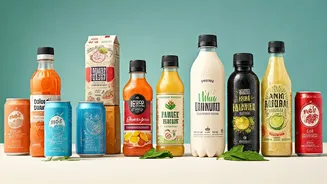
Walk down a beverage aisle today, and you'll find a dizzying array of new options that barely existed a decade ago. The 'healthy fluids' winning the market are diverse. Sparkling and flavoured waters offer refreshment without the sugar, with some sub-segments expected to see double-digit growth. [9, 20] Plant-based drinks like almond, soy, and oat milk are gaining popularity due to rising veganism and awareness of lactose intolerance. [3] The market for gut-health beverages like kombucha, kefir, and probiotic lassi is expanding rapidly as consumers understand the link between a healthy gut and overall well-being. [2, 11] Even traditional drinks are being reinvented, with brands packaging local favourites like kokum sharbat and jaljeera as healthy, nostalgic alternatives. [15]
How the Industry is Responding
This consumer-led revolution has forced the entire beverage industry to innovate. Global giants are aggressively expanding their healthier portfolios, ensuring that options like Coke Zero, Pepsi Black, and other low-calorie drinks are widely available across cities and on quick commerce platforms. [24] They are also acquiring smaller, health-focused brands and launching new functional lines to meet the demand for everything from hydration to energy. [22] This shift has also opened the door for a wave of startups focused on niche categories like protein coffees, prebiotic sodas, and artisanal teas. [19, 24] The competition is no longer just about flavour and price; it's about function, transparency, and catering to a well-informed and health-conscious consumer.