



The Roar of the Crowd
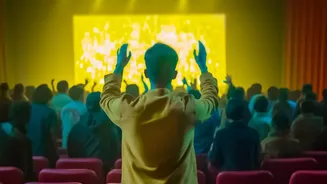
In April 2024, theatres across Tamil Nadu witnessed a frenzy usually reserved for brand-new blockbusters. The film, however, was 'Ghilli', a superhit from 2004. Celebrating its 20th anniversary, the re-release saw fans dancing in the aisles and reciting
dialogues in unison. The film went on to gross over ₹20 crore in its first week alone, outperforming several new releases of the year. This wasn't an isolated incident. The re-release of 'Jab We Met' during Valentine's week in 2023 saw shows selling out, prompting exhibitors to add more screenings. The core driver is a potent form of nostalgia. For those who grew up watching these films, it’s a chance to relive cherished memories on the big screen. For a younger generation, it's an opportunity to experience cinematic milestones they only ever saw on television or streaming platforms.
The Economics of Emotion
While nostalgia gets audiences through the door, smart economics keeps the trend alive. For distributors and theatre owners grappling with the inconsistent performance of new films, re-releases are a low-risk, high-reward proposition. There are no exorbitant production costs, and marketing expenses are minimal because the films already have a dedicated fanbase and cultural recall. As one producer noted, re-releases are becoming valuable strategic assets rather than mere filler content. Even films that had a modest run during their initial release, like 'Laila Majnu' or 'Sanam Teri Kasam', have found new life and impressive box office returns years later, sometimes earning a significant fraction of their original collections. This strategy helps exhibitors fill seats during lean periods and offers a predictable revenue stream in an otherwise volatile market.
A New Kind of Theatrical Experience
The success of re-releases isn't just about watching an old movie; it's about the communal experience. Theatres, especially single screens, are transforming into concert-like venues where audiences actively participate in the screening. Videos of fans celebrating key scenes from films like 'Ghilli' often go viral, creating further buzz. This phenomenon is particularly appealing to Gen Z, who may have discovered these films through social media reels and memes. An executive from PVR INOX pointed to a "fear of missing out" (FOMO) factor, where younger audiences want to be part of the cultural conversation surrounding these classics. The availability of remastered prints with 4K visuals and enhanced sound also adds to the appeal, offering a viewing experience that surpasses watching it at home.
More Than a Passing Fad?
Industry experts believe this trend is more than just a temporary fix for a slow box office. It taps into a genuine audience desire for compelling stories and a guaranteed good time, something they feel is often missing in contemporary cinema. The trend also provides a lifeline for single-screen theatres, which are perfectly suited for the loud, celebratory atmosphere that accompanies these screenings. However, analysts caution that not every old film is a potential goldmine. Success depends on a film's cult status, its music, and a strategic release window, such as an anniversary or a festival. While re-releases are unlikely to replace the business of new films, they have carved out a distinct and profitable market of their own. They serve a dual purpose: monetising old film libraries for producers and giving audiences a reason to keep coming back to the cinemas.