







The Paradox of Modern Wellness
We live in an age of unprecedented access to wellness tools, yet rates of stress, anxiety, and burnout are soaring. We track our sleep, count our steps, and optimise our diets, but often end up feeling more overwhelmed than ever. The pursuit of well-being
has become a competitive sport, another source of pressure in our already-packed lives. This has led many to question the complex, costly, and time-consuming rituals we associate with self-care. The search is on for something simpler, more intuitive, and fundamentally more effective. A reset button, not another app notification.
Enter: The Nature Stay
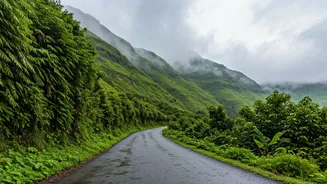
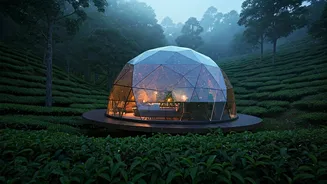
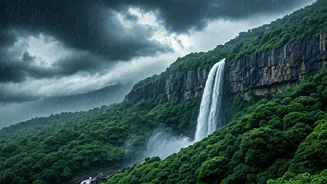
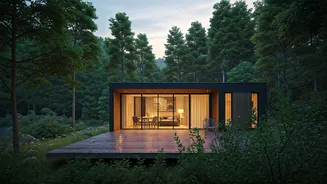
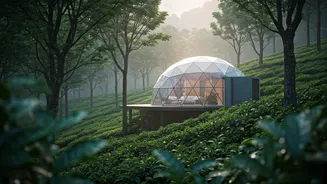
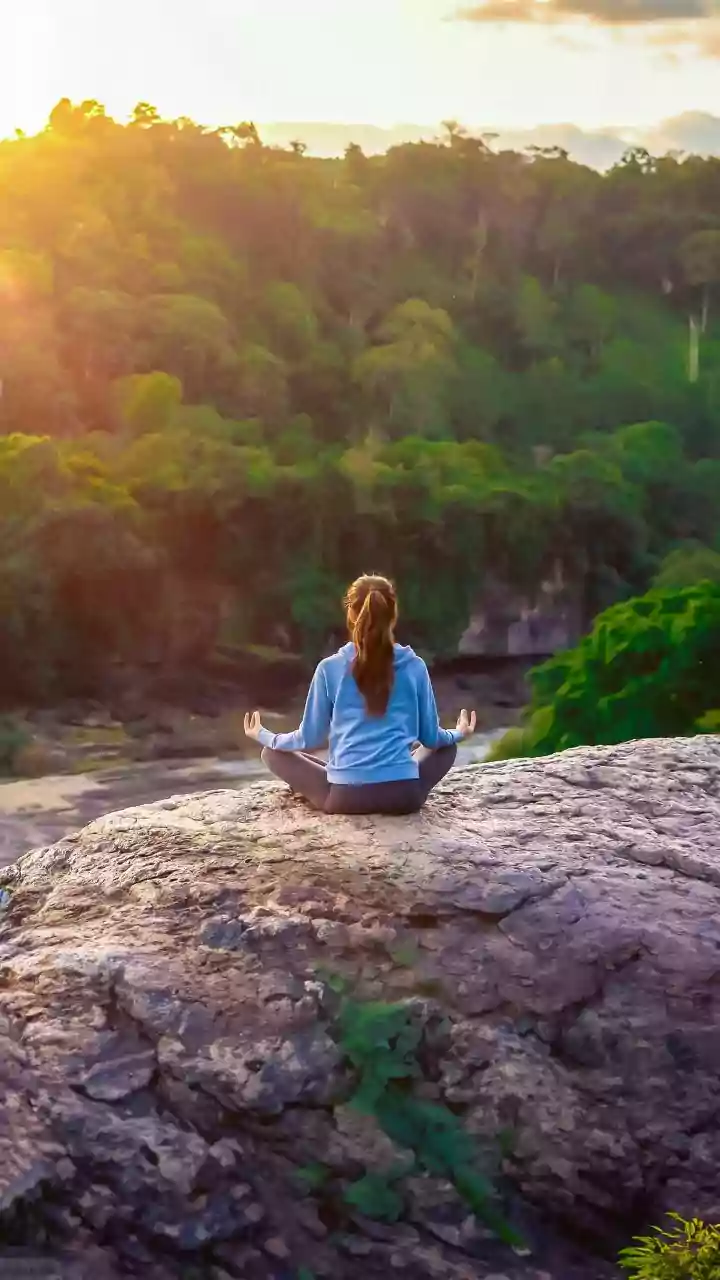
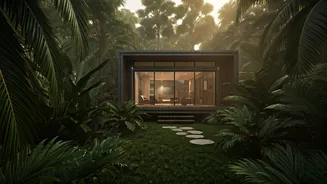
This is where the concept of a ‘nature stay’ comes in. It’s not just a vacation; it’s an intentional immersion in a natural environment. Think of a rustic cabin in the mountains of Uttarakhand, a quiet farm stay in the Coorg countryside, a glass-fronted retreat overlooking the backwaters of Kerala, or an eco-lodge deep in the forests of the Western Ghats. The key isn't luxury, but disconnection from the urban grid and reconnection with the rhythms of the natural world. It’s about trading traffic noise for birdsong, screen time for stargazing, and crowded calendars for open skies. It’s a deliberate choice to step away from the noise and allow your nervous system to recalibrate.
The Science of 'Ahhh'
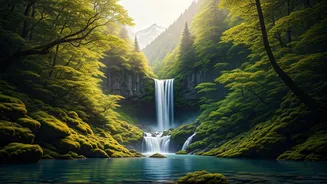
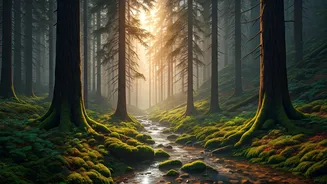
This isn't just a romantic notion; it's backed by compelling science. The practice of 'Shinrin-yoku' or 'forest bathing', which originated in Japan, has been studied extensively. Research shows that spending time in a forest environment can lower concentrations of the stress hormone cortisol, reduce blood pressure, and boost the immune system. The ‘Biophilia hypothesis’ suggests that humans have an innate tendency to seek connections with nature. Being in green spaces helps restore our cognitive resources, fighting the mental fatigue caused by constant urban stimulation. Even the simple act of looking at a natural landscape can improve your mood and focus. This isn't a placebo effect; it's our physiology responding to the environment it evolved in.
Why It's a 'Shortcut'
Calling it a ‘shortcut’ isn’t about being lazy. It’s about efficiency. Instead of piecing together a wellness routine from a dozen different sources—a meditation app here, a yoga class there—a nature stay offers a holistic, immersive experience. The benefits are delivered passively. You don't have to 'try' to relax; the environment does the heavy lifting for you. It’s a shortcut because it bypasses the intellectual clutter of the modern wellness industry and speaks directly to our primal needs. It’s a form of subtraction, not addition. By removing the constant stimuli of city life, you create space for your mind and body to heal themselves. Two days in nature can feel more restorative than two weeks of a conventional holiday because it addresses the root cause of our modern malaise: disconnection.
Making It Happen in India
The beauty of this trend is its accessibility across India. You don’t need to book an expensive international flight. Incredible options are often just a few hours' drive from major cities. From the Himalayan foothills offering crisp mountain air to the lush coffee plantations of the South and the serene coastal hideaways, there's a nature stay for every budget and preference. The key is to look for places that prioritise authenticity and a genuine connection to the environment over manufactured luxury. Check for properties that offer guided nature walks, have limited Wi-Fi, and emphasise local, seasonal food. The goal is to simplify, not to replicate your urban life in a prettier setting.