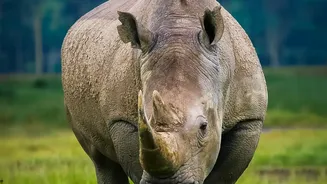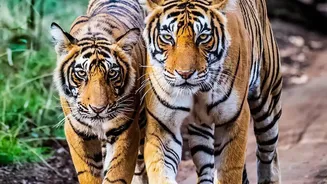



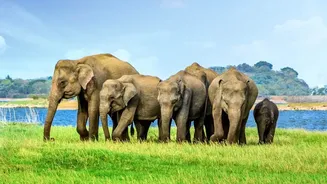
Home to the world's largest population of one-horned rhinoceroses, Kaziranga National Park in Assam is a UNESCO World Heritage Site offering an unparalleled wildlife experience. Planning your safari is key to making the most of this magical place.
1. Know Your Safari Zones
Kaziranga
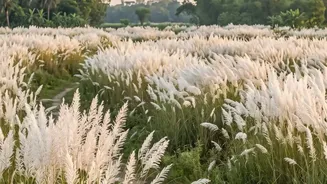
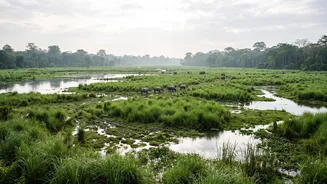
is divided into four main safari zones, each offering a unique landscape and wildlife viewing experience. For first-time visitors, the Central Range (Kohora) is the most popular, offering a balanced mix of grasslands and wetlands with a high chance of spotting rhinos, elephants, and deer. Wildlife photographers often prefer the Western Range (Bagori) for its open grasslands, which provide excellent opportunities for close-up rhino sightings. The Eastern Range (Agoratoli) is a paradise for birdwatchers, with its vast water bodies attracting thousands of migratory and resident birds. For those seeking a quieter, offbeat adventure, the Burapahar Range offers a hilly, forested terrain where you might even spot a hoolock gibbon.
2. Choose Your Safari: Jeep vs. Elephant
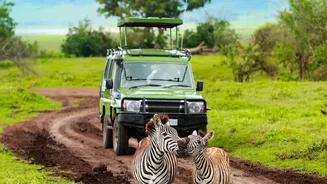
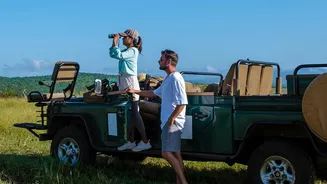
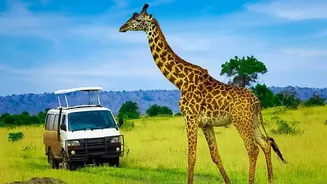
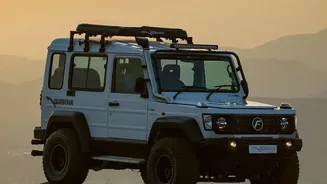
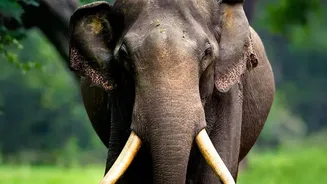
You can explore Kaziranga in two ways: by jeep or on elephant back, and many visitors choose to do both. The Jeep Safari is the most common option, allowing you to cover more ground across the park's diverse terrain. Jeeps can carry up to six passengers and run in both morning and afternoon shifts, offering a comprehensive tour of a chosen zone. The Elephant Safari, available in the Central and Western zones, is an early morning experience. This one-hour ride takes you through tall grasslands, offering a unique, elevated perspective and often getting you exceptionally close to the rhinos as they graze.
3. The Best Time to Visit
The park is typically open to visitors from November to April, closing during the monsoon season due to flooding from the Brahmaputra River. The best months to visit are generally considered to be between November and April. The winter months, from November to February, offer cool and pleasant weather, making it ideal for safaris and birdwatching. If your main goal is wildlife spotting, March and April are excellent choices. As water sources begin to dry up, animals gather more frequently around the remaining water bodies, increasing your chances of sightings.
4. How to Book Your Safari
It is highly recommended to book your safaris in advance, especially during the peak season from December to February when slots fill up quickly. Bookings can be made through the official government portal (sewasetu.assam.gov.in) or via authorized local operators and hotels. Online booking requires you to create an account, select your desired zone and time slot, and provide valid photo identification for all visitors. While booking directly on the government portal may be cheaper, it often only covers the entry permit, leaving you to arrange the vehicle separately. Using a trusted tour operator can simplify the process, bundling permits, vehicle, and guide fees.
5. Safari Timings and What's New
For the 2026-2027 season, the park reopened on October 3, 2026, with jeep safaris resuming in the Central and Western ranges. Jeep safaris operate in two shifts: the morning entry is between 7:30 AM and 10:00 AM, and the afternoon entry is from 1:30 PM to 3:00 PM. Elephant safaris are expected to begin on November 1, 2026, and run in hour-long shifts early in the morning, typically starting around 5:30 AM. Always check the latest official schedules before your trip, as timings can be adjusted by park authorities.
6. Essential Rules and Etiquette
To ensure both your safety and the well-being of the wildlife, it's crucial to follow park regulations. Always maintain silence and avoid loud noises. Do not get down from the safari vehicle unless in a designated area and with your guide's permission. Wearing neutral-coloured clothing like beige, khaki, or green is recommended to blend in with the natural environment. Feeding or teasing animals is strictly forbidden. Remember to carry your valid ID, listen to your guide's instructions, and do not litter. Smoking and the use of drones without official permission are also prohibited.