


The Golden Rule: Keep It Simple
The secret to successful meal prep is to not overcomplicate it. You don't need a different gourmet meal for every day of the week. The goal is to make your life easier, not to become a professional chef overnight. Start by choosing just two or three main
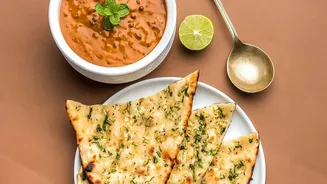
dishes for the week. This approach saves you from buying too many ingredients and feeling overwhelmed. A simple plan might include one dal or lentil curry, one dry vegetable dish (sabzi), and a batch of cooked rice or rotis. This foundation gives you variety without requiring a full day in the kitchen.
Your Budget-Friendly Shopping List
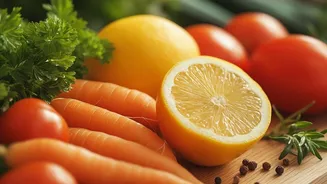
Eating well as a student means shopping smart. A vegetarian diet is naturally budget-friendly if you focus on the right ingredients. Your shopping cart should feature versatile staples. For proteins, stock up on lentils (dal), chickpeas (chole), and kidney beans (rajma). A block of paneer or tofu can also be used in multiple ways. For carbohydrates, whole wheat flour for rotis and brown or white rice are essential. Fill the rest of your basket with seasonal vegetables like onions, tomatoes, potatoes, spinach, and carrots. These are not only cheaper but also packed with nutrients. Spices are your best friend; a small investment in turmeric, cumin, coriander, and garam masala will bring all your dishes to life.
Your Sunday Prep Power Hour
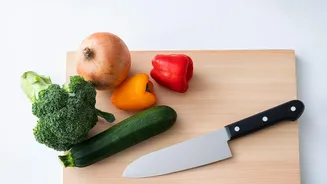
Dedicate one or two hours on a Sunday to get ahead of the week. You don't need to cook full meals, but rather prepare the components. First, wash and chop all your vegetables. Store them in airtight containers in the fridge. This is the single biggest time-saver for weeknight cooking. Next, cook a large batch of a base grain like rice or quinoa. You can also boil lentils or chickpeas. If you're making a curry, you can prepare the 'masala' base (sautéed onions, tomatoes, ginger, garlic, and spices) and store it. During the week, all you have to do is add your vegetables or protein to the pre-made base and heat it up.
The Art of 'Mix and Match'
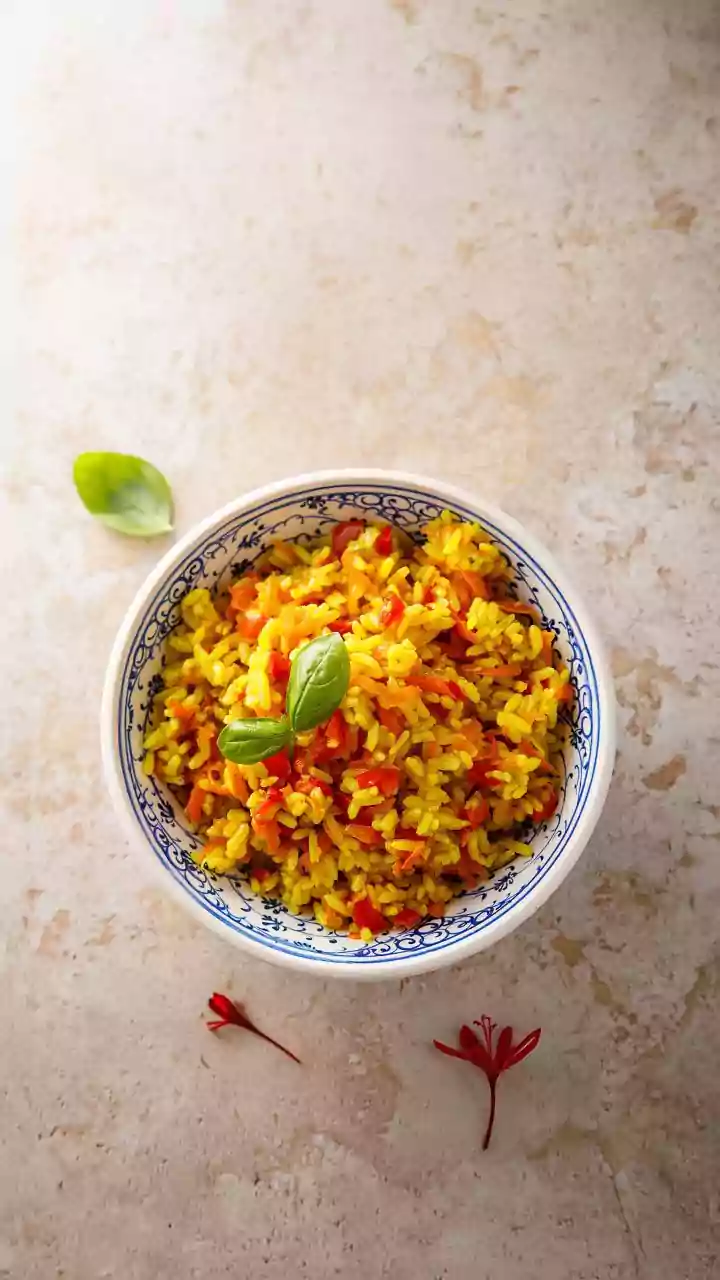
Meal prep doesn't have to mean eating the exact same thing every day. The key is to assemble your prepped components in different ways to keep things interesting. That large batch of chole you made can be eaten with rice for lunch on Monday. On Tuesday, you can have it with rotis for dinner. On Wednesday, you can mash some of it to create a filling for a delicious wrap or sandwich. The pre-chopped vegetables can be quickly stir-fried for a speedy sabzi, added to instant noodles for a nutrient boost, or tossed into your rice to make a quick vegetable pulao. This 'mix and match' strategy prevents food boredom and makes you feel like you have endless options.
Storage for Success
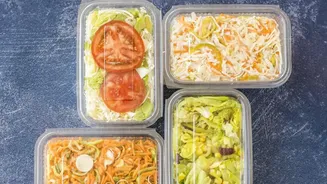
Proper food storage is crucial to ensure your prepped meals stay fresh and safe to eat throughout the week. Invest in a good set of airtight containers. Glass containers are a great option as they don't stain or retain odours, and you can often microwave and eat from them directly. Label your containers with the name of the dish and the date you prepared it. Most cooked vegetarian dishes will last for 3-4 days in the refrigerator. If you've prepped more than you can eat in that time, use your freezer. Dals, curries, and even cooked rice freeze very well. This allows you to have a backup meal ready for those extra-busy weeks.