
The 10-Minute Trade-Off
India's love affair with quick-commerce is booming. Platforms like Zepto, Blinkit, and Swiggy Instamart have revolutionised urban life by promising groceries in the time it takes to have a cup of tea. This incredible speed, however, comes with a trade-off.
The entire model is built on a network of 'dark stores'—small, hyperlocal warehouses where speed is the ultimate priority. The pressure to pick, pack, and dispatch orders within minutes can lead to inevitable human error and quality control lapses. Recent regulatory actions and a rising number of consumer complaints highlight the reality: sometimes, in the race against the clock, standards can slip. Issues range from receiving expired or rotten food to damaged packaging and incorrect items.
Your Smartphone is Your Witness
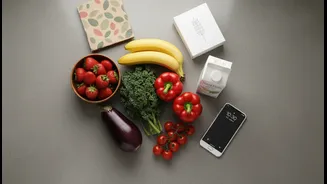
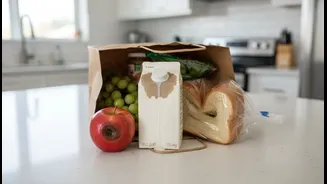
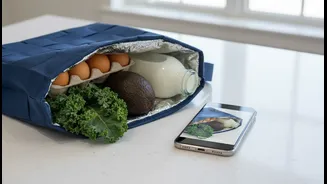
When an order goes wrong, your word against a large company can feel like an uphill battle. This is where a simple habit can change everything: document your order immediately upon arrival. Before you even tear open the bag, take a clear picture of the sealed package as the delivery person hands it to you, if possible. Once you open it, photograph everything, especially any problem items. Is the milk carton leaking? Is the bread mouldy? Are the eggs cracked? A picture provides indisputable visual proof of the item's condition at the moment of delivery. This simple action shifts the burden of proof, making your claim much harder to dismiss. Customer service interactions become much more straightforward when you can attach clear, visual evidence to your complaint.
The Undeniable Power of a Timestamp
A photograph does more than just show the problem; it proves when the problem was recorded. Every photo taken on a smartphone contains hidden data called a timestamp, which records the exact date and time the image was captured. This digital footprint is your secret weapon. If a company suggests that the produce spoiled or the package was damaged while in your care, a timestamp proves the issue existed moments after delivery. It counters any argument that a significant amount of time has passed. This is crucial in food safety issues, where the temperature 'danger zone' can become a point of contention. Your timestamped photo demonstrates that the product arrived in an unsatisfactory state, directly from their supply chain.
Don't Trash the Evidence
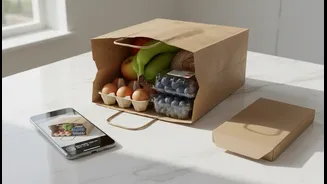
In the rush to clear up, it's tempting to immediately throw away all the packaging. Resist this urge, at least until you are sure your order is perfect. The outer bag, product wrappers, and any attached invoices or labels are all part of your evidence kit. This packaging often contains crucial information like batch numbers, packing times, and order IDs that are vital for the company to trace the issue internally. Furthermore, many platforms require the original packaging to process a return or refund. If you discard it, you might inadvertently forfeit your right to a resolution. Holding onto the packaging for a short while is a small inconvenience that can save you from a major headache if a dispute arises.
From Evidence to Resolution
Armed with photos, timestamps, and packaging, your path to a refund or replacement becomes significantly smoother. When you contact customer support, you are no longer just making a claim; you are presenting a case. Start by using the platform's official in-app grievance system, attaching your photographic evidence directly to the complaint. If the initial response is unsatisfactory, escalate the matter to their grievance officer via email, again including all your documented proof. This written record is crucial. Under the Consumer Protection Act, e-commerce platforms have clear obligations to address such issues. Having concrete evidence makes it difficult for them to deny a valid complaint and ensures you are treated fairly, getting the refund or replacement you are entitled to.