
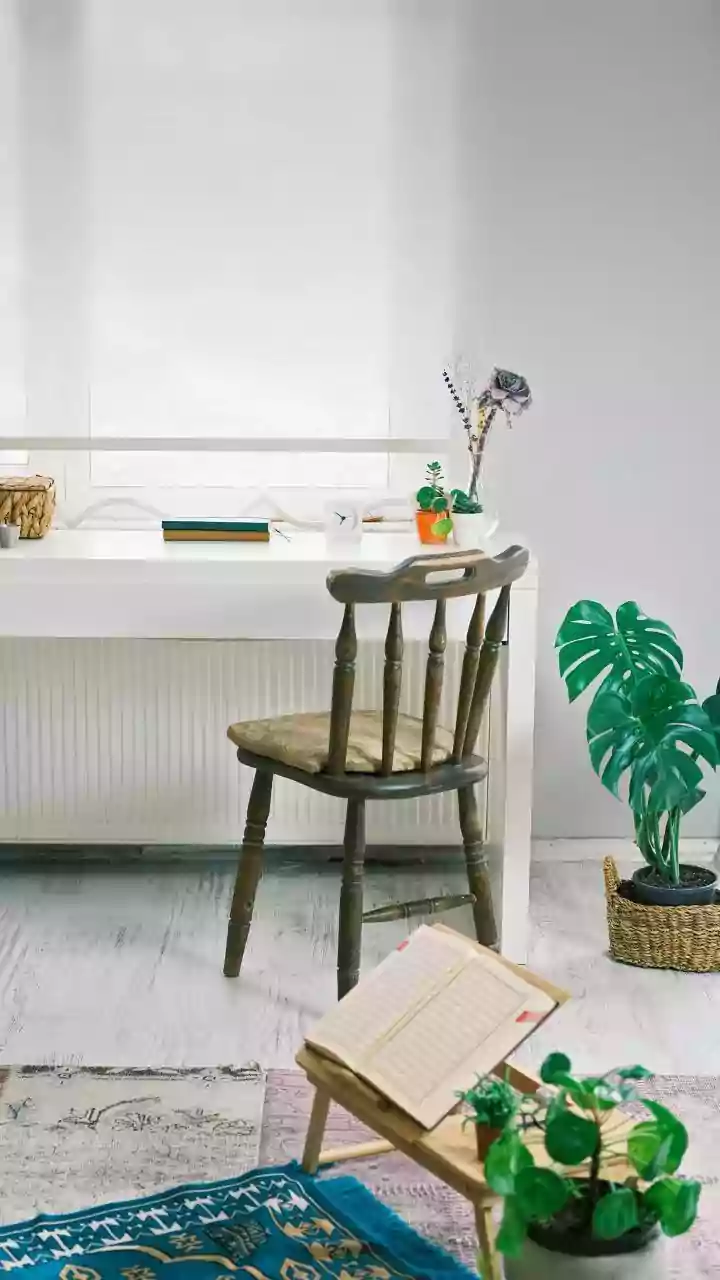
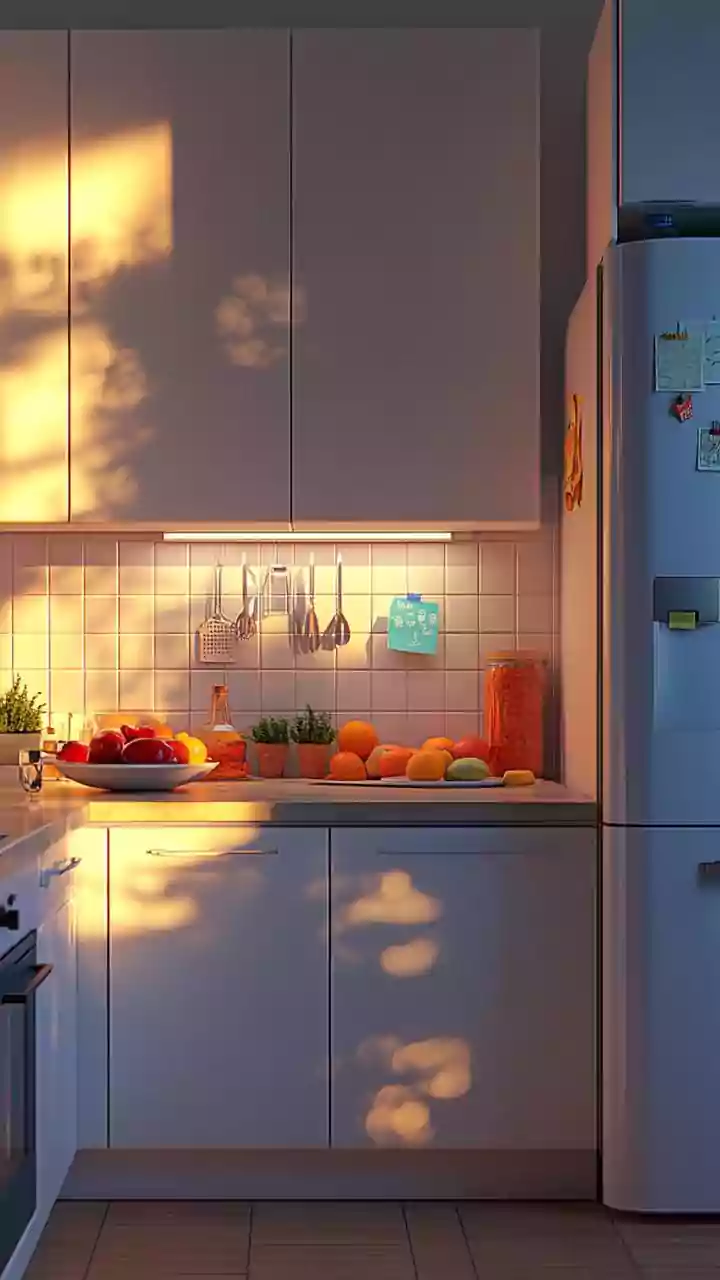
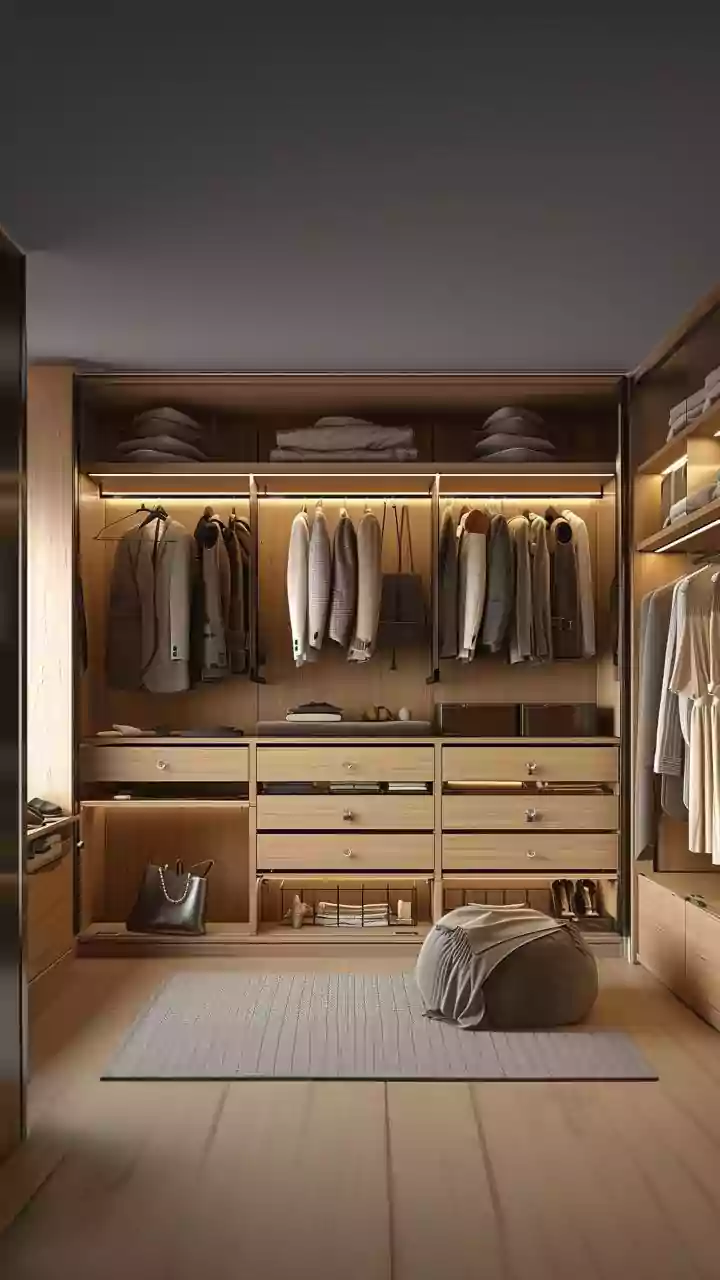

The Foundation: Thinking Beyond Floor Space
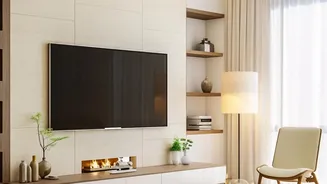
The first rule of small-space design is to look up. Vertical space is your most underutilised asset. Tall, narrow bookcases or shelving units that go all the way to the ceiling draw the eye upward, creating an illusion of height and offering ample storage
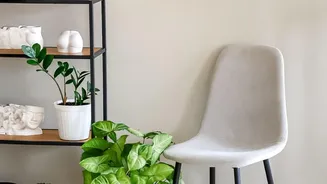
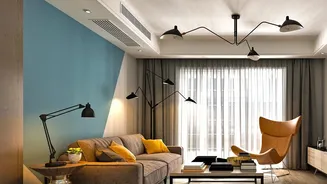
without eating up precious floor area. When it comes to the furniture that does live on the floor, consider its visual weight. Pieces with legs, like a sofa or armchair raised off the ground, create a sense of openness because you can see the floor beneath them. Materials also play a crucial role. Transparent items, such as acrylic coffee tables or glass consoles, occupy a physical footprint but almost no visual space, helping a room feel less crowded.
Dual-Duty by Design: The Rise of Multifunctionalism
Today's furniture is smarter than ever, with many pieces designed explicitly to serve multiple purposes. This is the core of small-space efficiency. Think beyond the traditional sofa bed; modern options are far more sophisticated and comfortable. A lift-top coffee table is another game-changer, seamlessly transforming from a casual surface to a dining table or work desk. Ottomans and benches with hidden storage compartments are perfect for stashing away blankets, magazines, or kids' toys, instantly clearing clutter while providing extra seating. When choosing these items, focus on quality and mechanics. A piece that is difficult to convert or feels flimsy will quickly become more of a hassle than a help.
The Art of Concealment: Blending Storage In
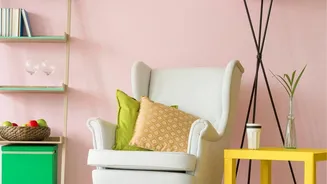
The most effective storage is the kind you don't notice. Instead of adding a bulky cabinet that screams 'storage unit', look for ways to blend it into your existing decor. Painting a shelving unit the same colour as the wall behind it can make it visually recede, creating a custom, built-in look for a fraction of the price. Using decorative baskets and boxes on open shelves can hide miscellaneous items while adding texture and style to the room. Another effective strategy is to use larger furniture pieces to anchor a space and hide less attractive necessities. A stylish screen or room divider can cordon off a small workspace or hide a television, while a well-placed armchair can obscure a tangle of electronic cords.
Embrace Flexibility with Modular and Mobile Pieces
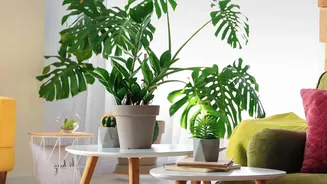
Your life isn't static, and in a small space, your furniture shouldn't be either. Modular furniture offers incredible flexibility, allowing you to reconfigure your layout as your needs change. A modular sofa can be broken up into separate chairs or rearranged to fit a different room. Nesting tables are another excellent example; they can be stacked to save space or spread out when you have guests. Don't underestimate the power of wheels. A bar cart can serve as a mobile end table, a mini-bar, or extra kitchen prep space. A rolling desk or set of drawers can be easily tucked away when not in use, freeing up valuable floor space for other activities. This adaptability ensures your home can evolve with you.
Finding Space in Unexpected Places
Once you start looking, you'll find storage opportunities everywhere. The space under a staircase is a prime candidate for custom drawers or shelving. A deep windowsill can become a reading nook with a built-in storage bench underneath. Slim console tables can add valuable surface area and storage to narrow hallways without impeding traffic flow. Even the space over your toilet can be utilized with a dedicated shelving rack. The key is to assess every nook and cranny of your home not just for what it is, but for what it could be. This creative approach transforms dead zones into functional, thoughtful parts of your living space.