


A Paradox in the Cold Desert
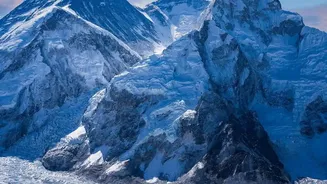
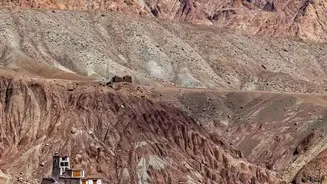
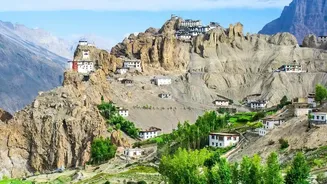
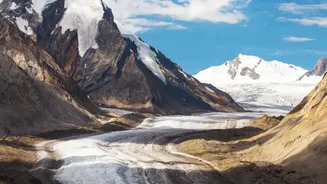
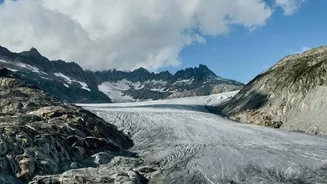
Ladakh, a stunning landscape nestled in the Himalayas, is a cold desert that receives less than 50 millimetres of rainfall annually. For centuries, its communities have depended on a single, vital source for agriculture: the seasonal meltwater from glaciers.
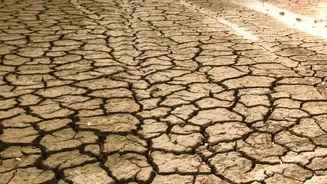
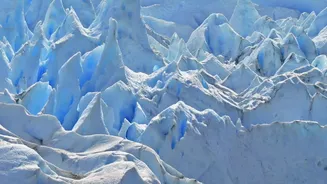
However, climate change is disrupting this ancient rhythm. Glaciers are receding at an alarming rate, and winter snowfalls are becoming more erratic. The most critical problem arises in the crucial planting months of April and May. The natural glaciers, located at very high altitudes, remain frozen solid, while the lower-altitude streams that flowed in winter have run dry. This leaves farmers without water precisely when they need it most to sow barley, apple, and apricot crops, threatening their food security and livelihoods.
An Idea Inspired by Shade
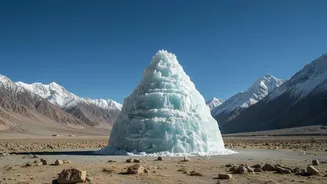
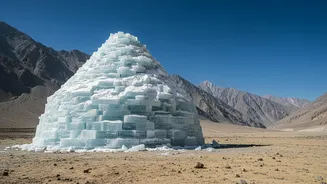
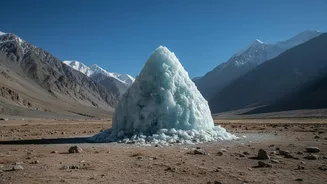
The solution came from engineer and education reformer Sonam Wangchuk. The inspiration was deceptively simple. In May, Wangchuk noticed a patch of ice still intact under a bridge, shielded from the direct sun, long after all the surrounding ice had melted. He realised that the key to storing water wasn't just cold temperatures, but also protection from the sun. Since shading a massive, flat body of ice was impractical, he had a counterintuitive idea: go vertical. Wangchuk envisioned a cone-shaped structure that would present the minimum possible surface area to the sun for the maximum volume of water stored. This shape, resembling the traditional Buddhist stupas dotting the Ladakhi landscape, gave the invention its name: the ice stupa.
How to Build a Glacier
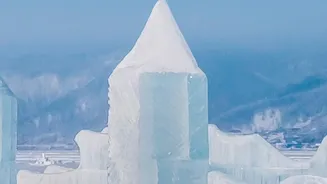
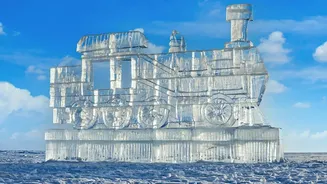
The genius of the ice stupa lies in its elegant, low-tech engineering that works in harmony with nature. The process requires no electricity or pumps. A pipe is laid from a glacial stream at a higher altitude during the winter months, when the water would otherwise be lost. Using the simple principle that water maintains its level, the pipe channels this water downhill to the village. There, it is directed up a vertical pipe. The force of gravity provides enough natural pressure to make the water spray out from the top like a fountain. In the freezing Ladakhi winter air, where temperatures can drop below -20°C, the mist freezes instantly as it falls, gradually forming a massive cone of ice around the pipe's base. These structures can grow to be over 30 metres tall, storing millions of litres of precious water.
Water When It Matters Most
The true magic of the ice stupa happens in the spring. As temperatures rise, the cone begins to melt—but slowly and predictably. Because of its conical shape, which minimizes exposure to the sun, the ice lasts well into the spring months. Wangchuk’s first prototype, built in 2013, held 150,000 litres of water and lasted until mid-May, providing a steady stream of meltwater for a newly planted poplar grove. This meltwater is captured and fed into irrigation channels, delivering water directly to the parched fields during the critical sowing season. This simple intervention bridges the gap, allowing farmers to plant their crops on time and ensuring a successful harvest before the natural glaciers begin to melt in June.
From Local Solution to Global Model
What started as an experiment has become a powerful, community-driven movement. The project, led by Wangchuk’s NGO, the Students' Educational and Cultural Movement of Ladakh (SECMOL), has inspired the construction of dozens of ice stupas across the region. Local communities are the primary actors, participating in building and maintaining the structures. To encourage wider adoption, an Ice Stupa Competition has been held since 2019. The success in Ladakh has drawn international attention, and the model is now being replicated in other mountain regions facing similar climate-induced water scarcity, from other Himalayan states to the Swiss Alps. The ice stupa stands as a testament to the power of combining traditional ecological understanding with scientific innovation to create resilient solutions for a warming world.