




The Magic of the Post-Monsoon Season
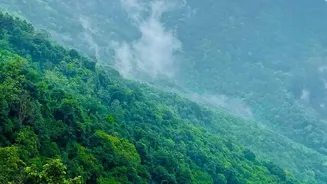
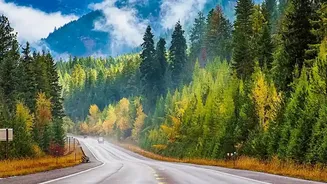
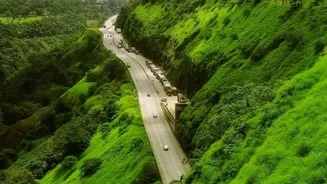
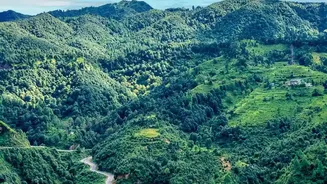
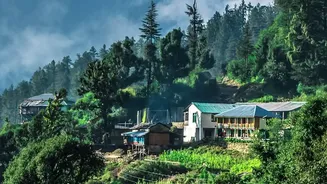
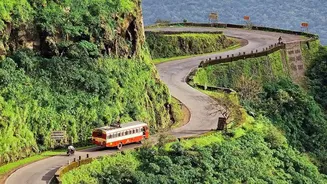
The months from October to November offer a unique travel experience that combines the best of all worlds. The heavy rains have washed the dust from the air and nourished the landscape, resulting in breathtakingly lush scenery. Water bodies are full,
attracting animals and birds to their banks and making sightings more frequent. Most national parks, which remain closed during the peak monsoon months of July to September, reopen their gates, offering a chance to explore these pristine habitats with fewer crowds. The weather is pleasantly cool, ideal for safaris, nature walks, and long drives, providing a refreshing break from both the summer heat and the monsoon downpours.
Northern Giants: Corbett and Ranthambore
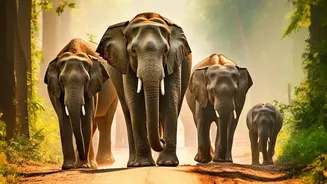
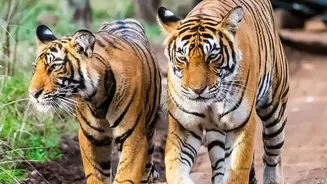
For many, wildlife travel in North India is synonymous with the majestic Bengal tiger. Post-monsoon is an ideal time to visit premier tiger reserves like Jim Corbett National Park in Uttarakhand and Ranthambore National Park in Rajasthan, which typically reopen in October. In Corbett, the landscape along the Ramganga River is rejuvenated, attracting elephants, spotted deer, and gharials. Ranthambore's ancient forts, now draped in green moss, provide a stunning backdrop for wildlife photography. While the thick vegetation can make spotting tigers a little more challenging than in the dry summer months, the vibrant ecosystem and active wildlife make for an incredibly rewarding safari experience.
Southern Sanctuaries: Periyar and Kabini
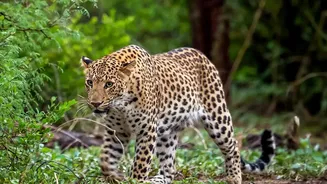
The Western Ghats are a paradise after the rains, and the sanctuaries here offer a different flavour of wildlife. Periyar National Park in Kerala, which remains open year-round, is particularly enchanting. Boat rides on the mist-covered Periyar Lake offer serene opportunities to spot herds of elephants, sambar deer, and bison by the water's edge. Further north in Karnataka, Kabini (part of Nagarhole National Park) is another fantastic option. It is renowned for its elephant herds and elusive leopards. The post-monsoon season sees the forest at its greenest, and boat safaris on the Kabini reservoir are exceptionally scenic and productive for wildlife sightings.
The Eastern Kingdom: Kaziranga's Revival
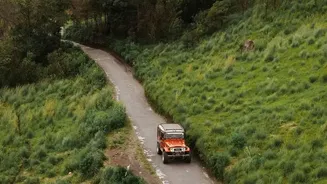
In Assam, Kaziranga National Park, a UNESCO World Heritage Site, reopens around the beginning of November after the Brahmaputra's floodwaters recede. This park is the world's primary stronghold for the one-horned rhinoceros. After the floods, the vast grasslands are lush and inviting, drawing out rhinos, elephants, and swamp deer into the open. The wetlands teem with water birds, making it a spectacular sight for nature lovers. A jeep safari through the rejuvenated landscape offers a glimpse into a powerful ecosystem bouncing back with vigour, making it a must-visit for any serious wildlife enthusiast.
A Paradise for Birdwatchers
The post-monsoon period is a phenomenal time for birding. The replenished water bodies and lush forests attract a stunning variety of resident and early migratory birds. Keoladeo National Park in Rajasthan, a world-famous bird sanctuary, begins to welcome visitors and its first avian guests. In the Western Ghats, sanctuaries like Thattekad in Kerala and the estates of Coorg in Karnataka become hubs of bird activity, with species like the Malabar whistling thrush and various hornbills making their presence known. Even wetlands near major cities, such as Bhigwan near Pune, come alive with waterfowl, painted storks, and other waders, offering an accessible weekend birding trip.
Planning Your Weekend Getaway
To make the most of this fleeting season, a little planning goes a long way. Since many parks reopen in October, booking your safaris and accommodation in advance is crucial, especially for popular destinations like Ranthambore and Corbett. For parks in Central India like Kanha and Bandhavgarh, which reopen mid-October, you’ll be rewarded with fewer tourists and vibrant green forests. Pack layers, as early morning safaris can be chilly, but the afternoons are pleasant. Remember to hire a knowledgeable local guide; their expertise can transform a simple drive into an insightful journey, helping you spot and understand the diverse flora and fauna that make this season so special.