




What Exactly is Slow Wellness?
Forget punishing fitness bootcamps and rigid schedules packed with back-to-back yoga classes. Slow wellness is the gentle antithesis to the high-performance, metric-driven health culture. Inspired by the 'slow food' and 'slow living' movements, its philosophy
is simple: do less, but experience more. It prioritises presence over productivity. Instead of trying to optimise your well-being, you’re invited to simply be. A slow wellness trip swaps the pressure of self-improvement for the permission to rest, reflect, and engage with your surroundings at a natural, unhurried pace. It’s about the quality of your time, not the quantity of activities you can squeeze in.
More Than Just a Digital Detox
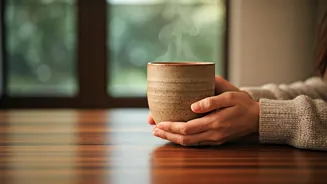
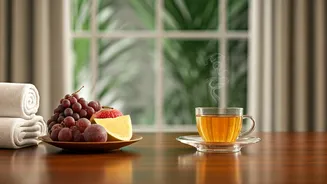
While putting away your phones is often a part of it, a slow wellness trip goes much deeper than a simple digital detox. The real goal is a mental detox from the constant need for stimulation, planning, and decision-making that defines our daily lives. It’s about creating space for boredom to creep in, because it’s in those quiet, unplanned moments that creativity, reflection, and genuine connection flourish. For a couple, this means replacing the pressure to have a 'perfect' Instagram-worthy holiday with the freedom to simply enjoy each other's company. It’s about finding joy in a shared cup of tea on a quiet morning, a long walk with no destination, or an afternoon spent reading side-by-side.
Why It’s Perfect for Couples
Modern relationships are often strained by the logistics of life: work deadlines, family responsibilities, and endless to-do lists. A typical vacation can sometimes add to this stress with packed itineraries and the pressure to 'make the most of it.' Slow wellness offers a powerful antidote. By stripping away external distractions and obligations, it creates a unique environment for reconnection. When you’re not rushing from one tourist spot to the next, you have the time and mental energy for deeper conversations. Sharing simple, mindful experiences—like watching a sunset, learning a local craft, or preparing a meal together—builds intimacy in a way that a fast-paced city break rarely can. It allows you to see your partner again, away from the roles and responsibilities of everyday life.
Key Elements of a Slow Stay
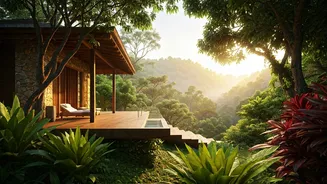
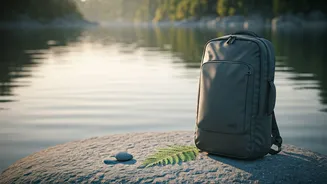
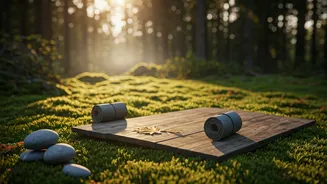
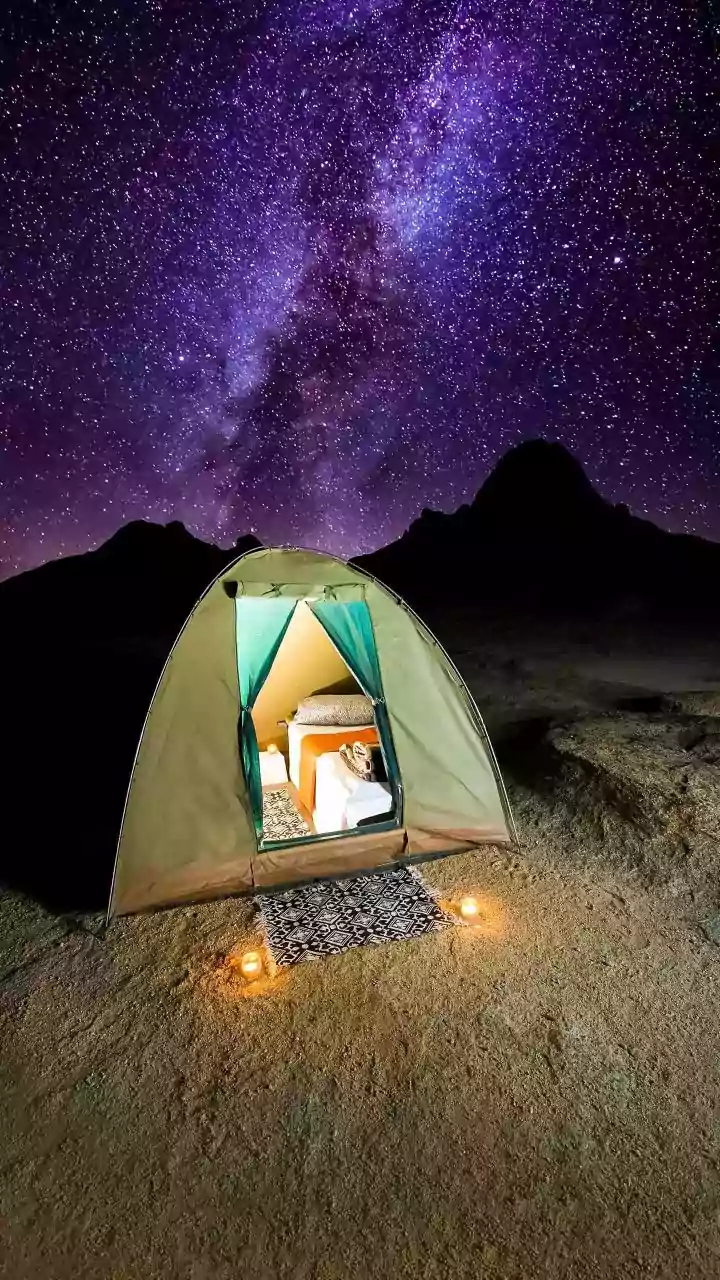
So, what should you look for in a slow wellness retreat? It’s less about a specific brand and more about the environment and ethos. Seek out properties that emphasise nature immersion, whether it’s a Himalayan retreat, a coastal hideaway in Kerala, or an eco-lodge in the Western Ghats. The focus should be on activities that encourage mindfulness, such as guided nature walks, pottery, gardening, or stargazing, rather than just intensive workouts. Look for places that celebrate local, seasonal food, often with a farm-to-table approach that connects you to the land. Most importantly, a true slow wellness stay offers ample unstructured time. The itinerary should have gaps, giving you the freedom to do nothing at all, which is perhaps the greatest luxury.