



Why a Gentle Start is a Smart Start
Jumping into an intense workout regimen after a period of inactivity is a common mistake that often leads to soreness, injury, and burnout. Your body, particularly your joints, needs time to adapt and build strength. Starting slowly with low-impact exercises
reduces the stress on your knees, hips, and ankles. This approach is not only safer but also more sustainable, making you less likely to lose motivation and more likely to build a consistent habit. Gentle exercise prepares your muscles and connective tissues for more vigorous activity later, improving flexibility and blood flow while minimizing the risk of a setback.
Your Best Tool: Listening to Your Body
You don't need expensive gadgets to measure your exercise intensity. One of the most effective tools is the Rate of Perceived Exertion (RPE) scale. This is a subjective measure of how hard you feel your body is working. The most common version is a simple 0-10 scale. Zero is how you feel while resting completely, while a 10 represents your absolute maximum effort, a level you can't sustain. This method is incredibly useful because it accounts for daily fluctuations in your energy, stress, and sleep, allowing you to adjust your workout to what your body can handle on any given day.
Finding Your Comfortable Starting Intensity
For beginners, the goal is to work in the 'moderate' intensity range. On the 0-10 RPE scale, this corresponds to a level of 3 to 5. At this intensity, you should feel your heart rate increase and be breathing more deeply, but you should still be able to hold a conversation comfortably. If you can only get out a few words at a time, you're likely pushing too hard. If you can easily sing, you could probably increase the effort slightly. Aiming for this moderate zone ensures you're challenging your body enough to see benefits without overstressing your joints.
Excellent Low-Impact Exercises to Begin With
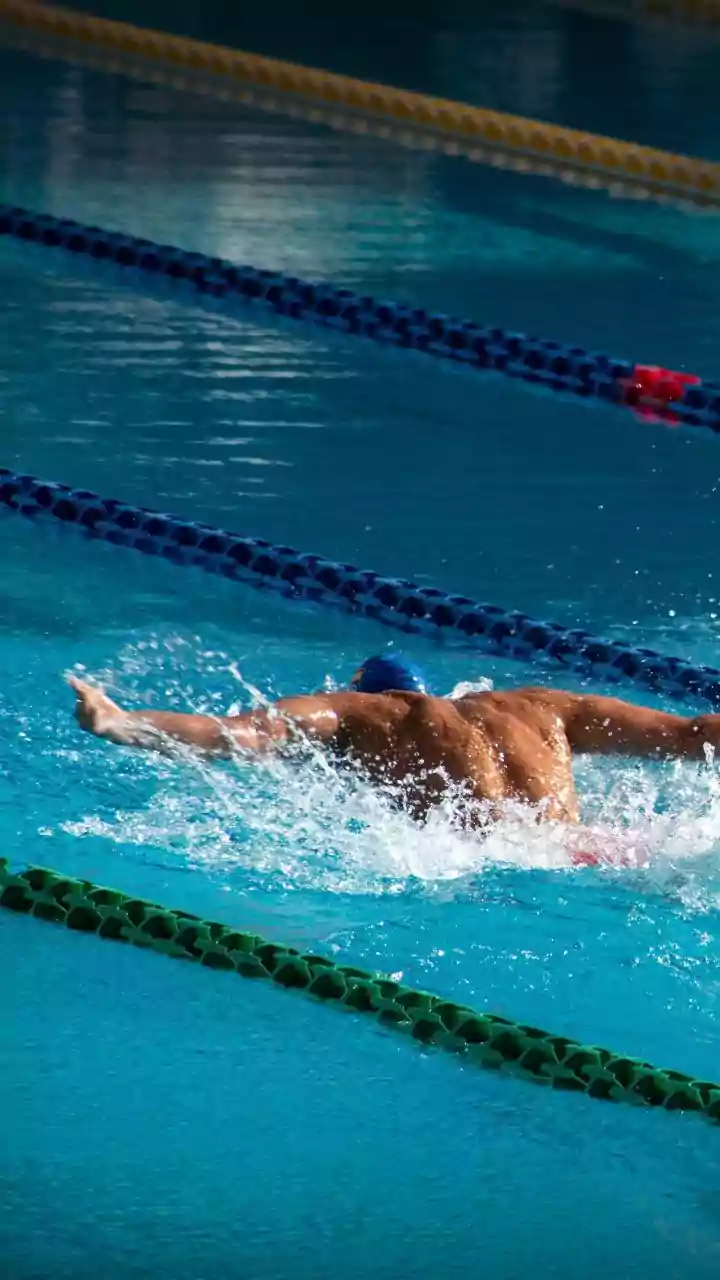
Choosing the right activity is crucial for a joint-friendly start. These exercises provide excellent cardiovascular benefits without the pounding of high-impact alternatives. Swimming and water aerobics are often considered ideal because the water's buoyancy supports your body, removing almost all stress from your joints. Cycling, both on a stationary or outdoor bike, offers a smooth, cyclical motion that strengthens the legs with minimal joint strain. Walking is one of the most accessible exercises; just be sure to wear supportive shoes and start on flat terrain. The elliptical machine is another gym favourite designed specifically to mimic running without the impact. Finally, practices like yoga and Tai Chi improve flexibility, balance, and muscle strength in a controlled, gentle manner.
The Art of Safe and Steady Progression
Once you're comfortable with your starting routine, the goal is to gradually progress. Don't rush to increase intensity. A good rule of thumb is to increase only one variable at a time: duration, frequency, or intensity. For example, you might add five minutes to your walks for a week or two before trying to increase your pace. Or, you could add one extra workout day per week. Listening to your RPE score remains important here. As you get fitter, what once felt like a 5 might start to feel like a 3. That's a sign that your body is adapting and you're ready to gently push a little harder. This slow and steady approach is the secret to long-term fitness and injury prevention.