





Before Your Guests Arrive
Preparation is the foundation of a calm household. A well-exercised pet is often a more relaxed one, so schedule a long walk, run, or vigorous play session about 30 minutes before guests are due to arrive. This helps burn off excess energy that might
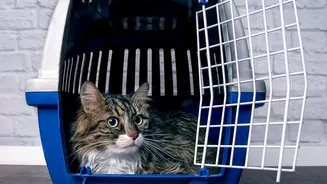
otherwise manifest as jumping or barking. It’s also crucial to create a designated 'safe space' for your pet. This isn't a punishment corner, but a quiet retreat like a bedroom or a comfortable crate, equipped with their favourite bedding, toys, and fresh water. Make this area off-limits to guests, ensuring your pet knows they have an escape route if they feel overwhelmed. Finally, communicate with your guests beforehand. A quick message like, "We're so excited to see you! Just a heads-up, Fido can be a bit shy/excitable, so we'll be managing his introductions to make sure everyone's comfortable," sets clear and helpful expectations.
Managing The Grand Entrance
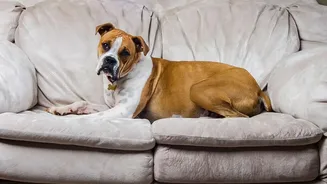
The doorbell ringing can trigger a rush of adrenaline for pets. The key to a smooth arrival is control and choice. One of the best options is to keep your dog on a leash when you answer the door. This prevents them from charging at or jumping on visitors and gives you immediate control. For a more anxious pet, you might have them in their safe space before you even open the door. When introducing your pet, instruct guests to initially ignore them, avoiding direct eye contact or sudden movements. Let the pet initiate contact by sniffing at their own pace. This simple act of giving your pet the choice to approach, rather than being cornered, dramatically reduces their stress. Forcing an interaction will only increase a pet's anxiety.
During the Visit
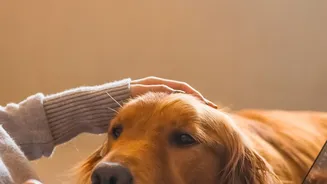
Once guests are settled, the management continues. For a very social pet, you might allow them to mingle freely, but keep an eye on their body language. For dogs, signs of stress can include lip licking, yawning, or a tucked tail. For cats, flattened ears, a twitching tail, or hiding are clear signals they need a break. Encourage guests to pet your animal on the chest or side rather than reaching over their head, which can feel threatening. Reinforce calm behaviour with quiet praise or a treat. If your pet is struggling, don't hesitate to lead them back to their safe space with a high-value chew or puzzle toy to create a positive association with quiet time. Physical barriers like baby gates can also be effective tools, allowing your pet to see and hear the group from a distance without being forced to interact.
When Separation Is the Best Choice
It's important to recognize that for some pets, especially those who are very fearful, elderly, or simply not fans of strangers, the best and kindest choice is to keep them separated for the duration of the visit. There is no shame in this; it is responsible pet ownership. Utilizing your pet's safe space from the beginning is a proactive way to ensure their comfort and your guests' peace of mind. This isn't a failure to socialize your pet; it's a success in meeting their needs. By giving them a quiet room with some calming music or a white noise machine, you are prioritizing their well-being over a forced social interaction. This allows you to relax and focus on your guests, knowing your beloved pet is safe and stress-free.