




Cracks: Cosmetic or Catastrophic?
Cracks in walls or ceilings are common, but their significance varies wildly. Thin, stable hairline cracks, especially in plaster, are often cosmetic and caused by the natural settling of a house or changes in temperature and humidity. However, certain
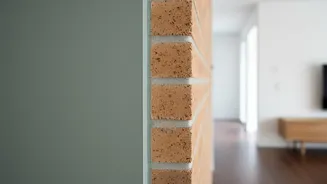
cracks demand immediate attention. Be wary of cracks wider than a quarter of an inch (or about 5-6mm), horizontal cracks in foundation walls, and jagged, stair-step cracks that run through brick or blockwork. These can signal serious foundation movement or structural stress. If a crack is actively growing or is accompanied by other signs like sloping floors or sticking doors, it's time to call a structural engineer for an assessment.
Electrical System Red Flags
Electrical issues should never be taken lightly, as faulty wiring is a leading cause of house fires. While a single tripped breaker might just mean you've overloaded a circuit, frequent trips are a major red flag indicating a deeper problem. Any burning smell, smoke, or buzzing sounds coming from outlets, switches, or your breaker panel are signs of an emergency that requires an immediate call to an electrician. Similarly, visible sparks from an outlet when you plug something in, or outlets that are hot to the touch, signal a dangerous fault. Flickering or dimming lights can sometimes be a simple bulb issue, but if it happens consistently across multiple rooms, it could point to a problem with your main electrical service.
Plumbing and Water Worries
Water can cause immense damage quickly. A small, slow drip from a faucet is an annoyance that wastes water but can usually wait for a routine appointment. In contrast, any situation that risks significant water damage, health hazards, or structural harm is an emergency. This includes burst pipes, which can release a huge volume of water in a short time, and any signs of a sewage backup, which poses a serious health risk. Sudden, major leaks, unexplained wet spots on ceilings or walls, and a complete loss of water pressure throughout the house are all urgent problems that require an emergency plumber. Ignoring these can lead to mould, rot, and compromised structural integrity.
When Doors and Windows Stick
Doors and windows that become difficult to open or close can be caused by simple humidity changes, which make wood expand. This is often a seasonal annoyance. However, if the problem is persistent, happens suddenly, or occurs alongside other issues like wall cracks or uneven floors, it can be a symptom of foundation shifting. When the house's frame is distorted by movement from below, it can warp the openings for doors and windows, causing them to bind. If you also notice new gaps around your window and door frames where you can see daylight or feel a draft, it's another indicator that your home's structure might be moving in a way that warrants a professional inspection.
Annoying but Benign Issues
Many common household flaws are purely cosmetic and don't signal danger. Things like nail pops (small circles or bumps in drywall where a nail or screw has worked its way out slightly), minor scuffs on flooring, and peeling paint on an interior wall are typically not cause for alarm. Small, hairline cracks in grout or caulk around sinks and tubs are also common and are usually a simple maintenance task to fix. While these issues can be unsightly and you may want to address them for aesthetic reasons, they don't threaten the safety or structural integrity of your home. The key is to distinguish these from issues that are getting progressively worse or are linked to water damage or structural movement.