






The Science of Sweetness
The transformation that happens when you roast food isn't magic; it's science. The intense, dry heat of the oven triggers two key processes: caramelization and the Maillard reaction. Caramelization is what happens when the natural sugars within the food break
down under high heat. As water evaporates, the sugars concentrate and develop a richer, sweeter taste and a beautiful brown colour. Different sugars caramelize at different temperatures, but the general result is hundreds of new aromatic compounds that create complex, nutty, and toasty flavours. The Maillard reaction is a separate but related process that involves both sugars and amino acids (the building blocks of protein). This reaction is responsible for the savoury, roasted flavours we love in everything from seared steak to toasted bread, and it contributes to the complex browning and flavour development in many roasted vegetables.
Vegetables That Love the Heat
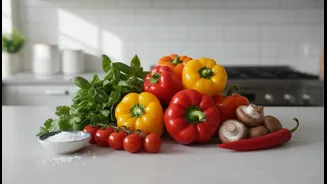
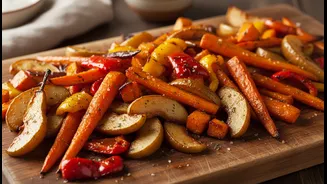
While you can roast almost any vegetable, some are particularly well-suited for this sweet transformation due to their higher natural sugar content. Root vegetables are the undisputed champions. Carrots, sweet potatoes, parsnips, and beets become incredibly sweet and tender in the oven. The earthy bite of beets mellows into a deep sweetness, while carrots and sweet potatoes develop honeyed notes. Onions also caramelize beautifully, turning soft, jammy, and sweet, making them a perfect base for countless dishes. Don't overlook vegetables like bell peppers, which shed their grassy flavour for a sweeter, more pronounced taste, or Brussels sprouts, which lose their bitterness and gain a nutty, satisfying profile.
Don't Forget the Fruit
Roasting isn't just for vegetables. Applying the same technique to fruit concentrates its sugars and intensifies its flavour, turning even lacklustre, out-of-season produce into a delicious treat. Roasting draws out moisture, leaving you with jammy, flavour-packed fruit that's perfect for desserts or even savoury pairings. Peaches, plums, apricots, and pears become exceptionally soft and sweet, their juices turning into a natural syrup. Berries like strawberries and blackberries can be roasted to create a jam-like consistency without any added sugar. Even grapes transform, becoming candy-like morsels that are fantastic on salads, with cheese, or as a topping for yoghurt.
Your Guide to Perfect Roasting
Mastering this technique is simple. First, preheat your oven to a relatively high temperature, typically around 200-220°C (400-425°F). This high heat is crucial for achieving good caramelization. Cut your ingredients into uniform pieces to ensure they cook evenly. Before roasting, toss the ingredients with a bit of oil, which helps conduct heat and prevents them from drying out. The most important rule is not to overcrowd the pan. Give your ingredients plenty of space so they can roast, not steam. If they are too close together, the trapped moisture will prevent them from browning and crisping up. A single layer is best. Finally, season simply with salt and pepper to start. You’ll be surprised how much flavour the roasting process itself creates.