








The Rise of Silicon Bali
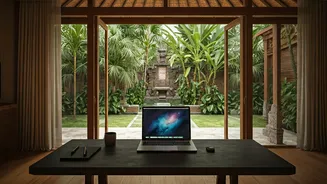
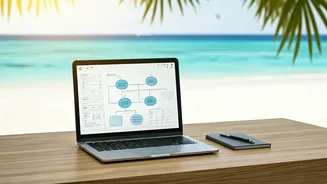
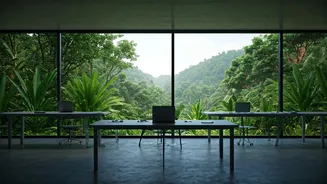
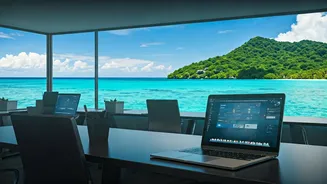
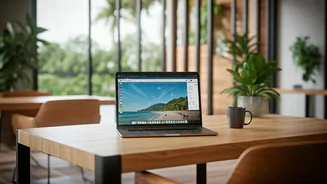
Bali is no longer just a tourist paradise; it has transformed into a global hub for digital nomads and remote professionals. The island now boasts a sophisticated ecosystem of co-working spaces, particularly in areas like Canggu and Ubud, that cater specifically
to the needs of the remote worker. These aren't just offices with Wi-Fi. Spaces like BWork, Tropical Nomad, and Outpost offer high-speed internet, ergonomic setups, networking events, and even wellness activities like yoga and surfing. This infrastructure has created a magnetic pull for tech talent worldwide, including a noticeable contingent from India. The environment is purpose-built for productivity, combined with a lifestyle that feels miles away from a traditional corporate setting.
The Pune Perspective
Pune has firmly established itself as a major IT and automotive hub, attracting a massive pool of skilled professionals. With major IT parks in Hinjewadi, Kharadi, and Baner, the city offers immense career opportunities. However, this growth comes with challenges. Many professionals in Pune's tech sector describe a high-pressure environment, stiff competition, and a work culture that can sometimes lead to burnout. While the city offers a vibrant social life and a pleasant climate, the daily grind of long commutes, traffic, and rising urban pressures is causing some to re-evaluate their work-life balance. For them, the prospect of maintaining their career trajectory while living a less stressful, more balanced life is becoming increasingly attractive.
The Economic Equation
At first glance, the cost of living in Bali can appear higher than in Pune. However, for a tech professional earning a strong salary, the value proposition changes. While rent in popular nomad spots can be high, the overall cost of leisure, food, and daily activities can be surprisingly affordable. The ability to earn an Indian tech salary while living in a place with a different cost structure for lifestyle expenses is a major draw. For many, a salary that affords a comfortable but standard urban life in Pune can provide a significantly upgraded lifestyle in Bali—think villas with pools and weekends spent at the beach, which might be out of reach back home.
Making the Move Legal and Simple
The logistics of working remotely from another country have historically been a major barrier. However, Indonesia has actively courted digital nomads. The introduction of the E33G visa, or the Remote Worker Visa, in 2024 has been a game-changer. This visa allows foreign professionals to live in Indonesia for up to a year, provided they work for a company based outside the country and meet certain income requirements, such as a minimum annual income of around $60,000 USD. This provides a clear, legal pathway for Indian tech workers to relocate without the uncertainty of constant visa runs, making the dream of working from paradise a practical reality.
More Than a Job, It's a Community
Perhaps the most significant factor is the sense of community Bali offers. The co-working spaces are more than just shared offices; they are epicenters of a global network of entrepreneurs, developers, designers, and creatives. For a tech worker from Pune, this means access to new ideas, international collaborators, and a diverse group of like-minded individuals. These hubs foster a culture of collaboration and social connection through regular events, workshops, and informal meetups. It’s an environment that combines the professional networking of a tech conference with the relaxed atmosphere of a community gathering, offering a potent antidote to the isolation that can sometimes accompany remote work.