




The promise of 'sugar-free' or 'low-sugar' sweets is tempting for anyone managing their health. But these labels can be misleading. The real story for your blood sugar isn't just about sugar; it’s about the total carbohydrate count.
Decoding the 'Sugar-Free' Promise
Walk down any supermarket
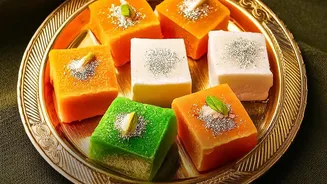
aisle in India, and you'll find an array of products—biscuits, mithai, and chocolates—boldly labelled 'Sugar-Free' or 'No Added Sugar'. For people with diabetes or those watching their weight, these seem like a green light for guilt-free indulgence. According to the Food Safety and Standards Authority of India (FSSAI), a 'sugar-free' claim means the product has no more than 0.5 grams of sugar per 100 grams. 'No Added Sugar' means no sugar was added during manufacturing, but the product can still contain naturally occurring sugars from ingredients like fruit or milk. While these labels are technically accurate, they often hide a more important truth. A food can be low in sugar but still packed with other ingredients that significantly raise blood glucose levels.
Why Total Carbohydrates Are King
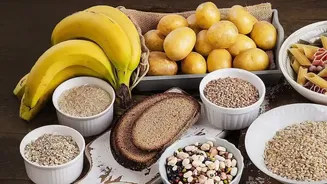
Here's the crucial fact that front-of-pack claims often obscure: your body converts all digestible carbohydrates, not just sugar, into glucose. The 'Total Carbohydrates' line on the nutrition label includes sugar, starch, and fibre. Starches, found in ingredients like refined flour (maida), rice flour, or potato starch, are common in 'diabetic-friendly' snacks. These ingredients break down into glucose and can cause a significant blood sugar spike, sometimes almost as quickly as table sugar itself. Therefore, focusing only on the sugar content while ignoring the total carbohydrate value is a common and critical mistake for blood sugar management. The total amount of carbohydrates is the primary number that determines how much your blood sugar will rise after eating.
The Sneaky Role of Sugar Alcohols
To replace sugar, many 'sugar-free' sweets use sugar alcohols, also known as polyols. You’ll see names like sorbitol, xylitol, erythritol, and maltitol on the ingredient list. These are promoted as diabetic-friendly because they are partially absorbed by the body, leading to a smaller and slower blood sugar rise compared to regular sugar. However, their impact is not zero. Erythritol has almost no effect on blood sugar, but maltitol—a very common and cheap sweetener in sugar-free chocolates and sweets—has a glycemic index of around 35. This is lower than table sugar (around 65) but is high enough to cause a noticeable spike in blood glucose for many people. Furthermore, since they aren't fully digested, consuming too many sugar alcohols can lead to uncomfortable digestive issues like gas, bloating, and diarrhea.
How to Read Labels Like a Pro
To make truly informed choices, you need to become a nutrition label detective. Ignore the flashy claims on the front of the package and turn it over to read the nutrition facts panel. First, check the serving size; all the numbers listed apply to that amount, not necessarily the whole packet. Next, look directly at the 'Total Carbohydrates' line. This is your most reliable guide. For an even clearer picture, some people subtract the grams of dietary fibre from the total carbs, as fibre is not digested and helps slow down sugar absorption. Finally, scan the ingredient list. Ingredients are listed by weight, so if refined flour (maida), starches, or a sugar alcohol like maltitol are near the top, the product is likely to have a significant impact on your blood sugar, regardless of its 'sugar-free' status.